
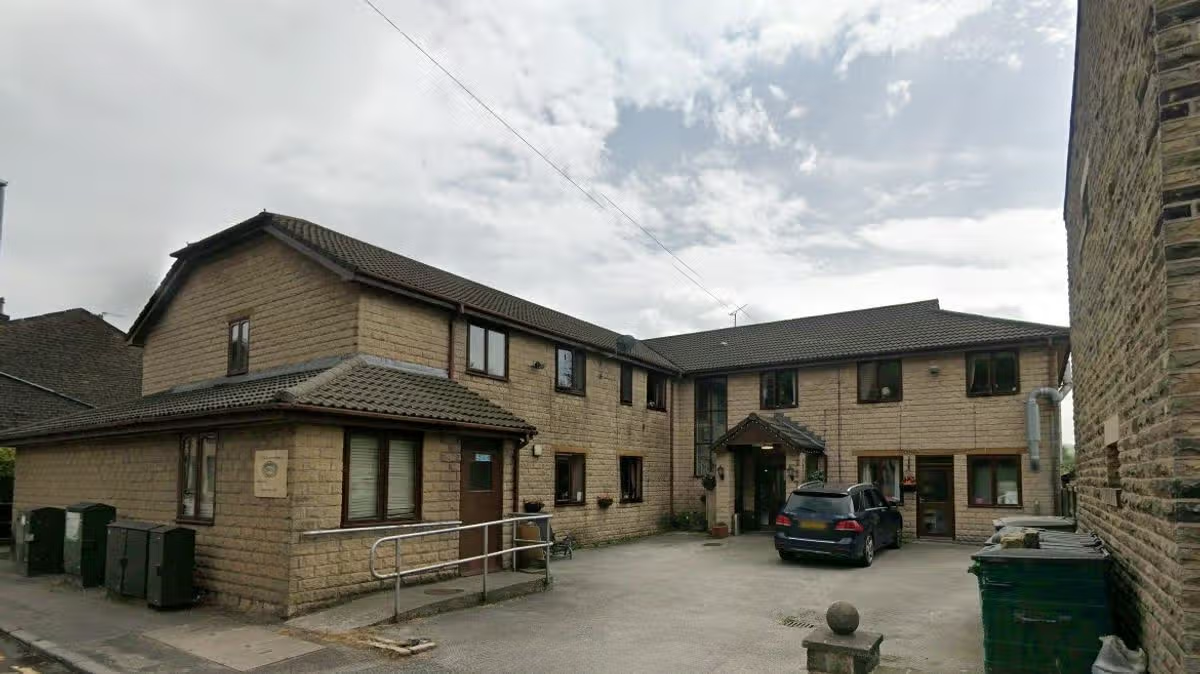
The front door was unlocked so anyone could walk in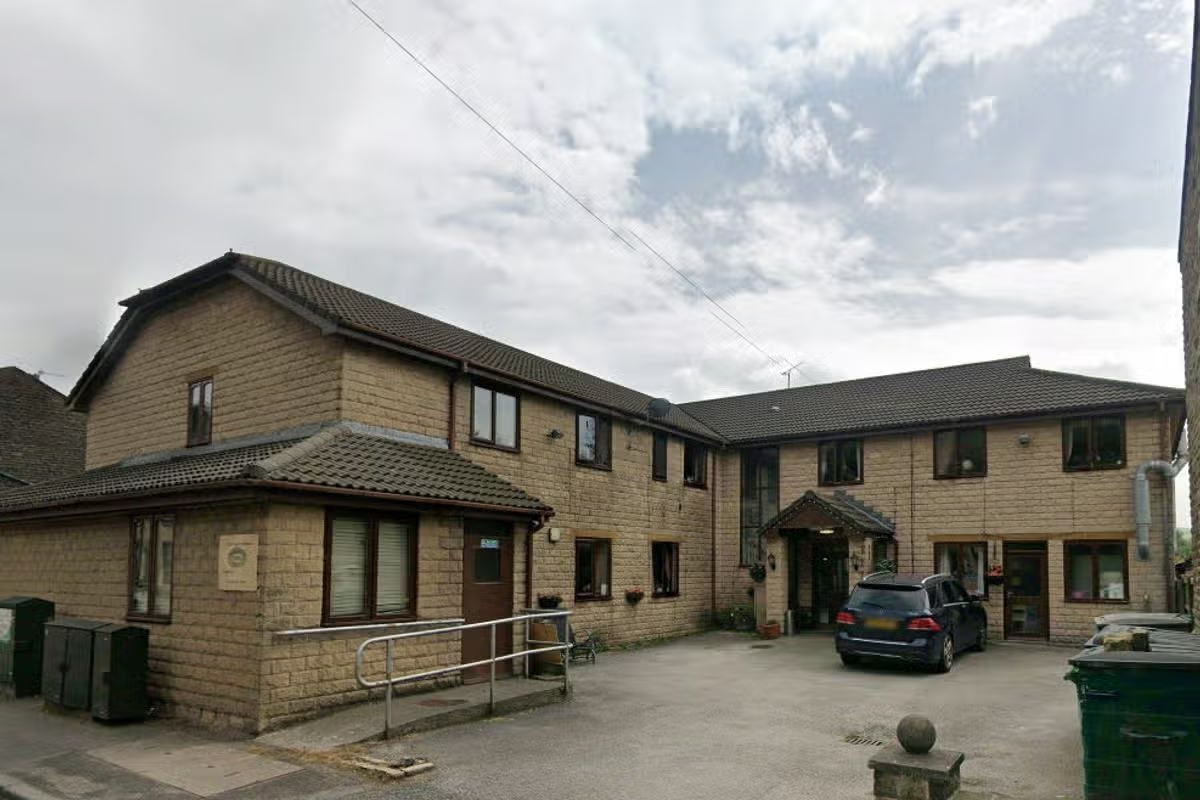
Newhey Manor, Rochdale(Image: Google)
A dementia care home where anyone could just walk in has been placed in special measures, this week’s healthcare inspection reports reveal.
When inspectors arrived at Newhey Manor Residential Care Home, they found the door unlocked, creating a risk as anyone was able to access the Rochdale home. Further concerns were raised over medicine management and incomplete risk assessments, as well as a lack of stimulation or access to outside space and natural light for residents.
Newhey Manor was rated ‘inadequate’ overall and placed in special measures by watchdog the Care Quality Commission (CQC). The latest report follows a previous negative rating last year when the service was found to be in breach of multiple legal regulations.
Click here for the latest on Greater Manchester’s politics in our newsletter
The CQC said the home remained in breach of all of these.
Here is a breakdown of Greater Manchester’s recently published CQC reports:
Bolton
Cherish Support Services received a ‘good’ rating from inspectors this week. Staff at the homecare agency showed the ‘skills and knowledge needed to provide safe care’ and ‘acted promptly’ when needs changed or concerns were raised, inspectors said.
Risks were identified and managed ‘effectively’ and medicines were handled and administered safely. Service users and relatives felt staff understood their needs and were ‘attentive’ and ‘flexible’ when it came to giving care.
The provider took steps to maintain consistent care staff so people could ‘build trusting relationships and receive support from carers who knew them well’, the CQC added.
Manchester
Prema Court, in Ayres Road, was placed in special measures by the CQC in 2025 after six breaches of legal regulations were found. Greater Manchester Fire and Rescue Service also took enforcement action, while two local authorities made the decision to stop using the service and a number of people had moved out.
The CQC carried out a follow-up visit in June, but found just three people using the service, none of whom were in receipt of activities regulated by the provider. As such, it was unable to carry out a full assessment and update its ratings, meaning the provider is still ranked as ‘inadequate’.
However, the CQC did note some improvements since its last visit. New fire doors had been fitted, evacuation plans drawn up and evacuation drills had been introduced.
An external management team had also been brought in to help address the previous breaches. New policies had been introduced for safeguarding, staff training, induction and medicine management.
However, as no regulated activities were being carried out at the home, the CQC said it could not yet judge the effectiveness of these.
While ‘extensive improvements were still required’ for safe and effective care to be delivered, inspectors said work to living areas was being completed throughout the home and the home was ‘visibly cleaner’.
Prema Court was approached for a comment.
Rochdale
Newhey Manor Residential Care Home was rated ‘inadequate’ overall and placed in special measures by inspectors, with the same rating given for safety and leadership. Effectiveness, caring, and responsiveness categories were rated ‘requires improvement’.
Its rating has fallen from ‘requires improvement’ in 2025. Four legal breaches were identified in 2025 and the provider remained in breach of them at its latest inspection. The home looks after people with dementia, the CQC said.
When inspectors arrived at the home, they found the front door unlocked and were able to walk straight in. This created a risk as anyone was able to access the home.
Medicine management was also an issue, with people ‘still’ not receiving their medication safely or at the right times. Medicines were not always stored at safe temperatures, with staff demonstrating that they ‘did not know how to read the fridge temperatures’. Flammable creams were found in an electrical cupboard, which inspectors said was a fire risk.
People living at the home did not have access to the outside, despite the back of the home opening to a large field, or natural light. Inspectors said natural light was ‘particularly important’ for people with dementia as it allows them to orient themselves to the time of day.
People spent the ‘large majority of their time sat in the same area with little stimulation’, they added. The CQC had flagged these issues before, but changes had not been made, the inspection report added.
There was ‘no evidence’ of learning when accidents and incidents took place, inspectors found. The provider also needs to take a ‘more proactive’ approach to seeking external support for patients.
The CQC said one service user showed very large fluctuations in their blood glucose, but there was no evidence of referral to investigate this. Similarly where people had lost weight or were judged to be obese, referrals were not evidenced.
Further concerns were raised over risk assessments at the home, with several people there diagnosed with diabetes but they did not have assessments in place for this. Another person liked to order items online, but did not have a risk assessment to make sure this was done in a safe way.
Newhey Manor was approached for a comment.
Stockport
Bankfield House Care Home, in Woodley, was told it ‘requires improvement’ by the CQC. The home had been found to be in breach of five legal regulations at its previous inspection. At the latest, it was still in breach of three.
There was not always enough staff for timely support, the report stated. Residents reported having accidents while waiting for support going to the toilet.
Inspectors said there were periods where there were no staff in the communal area and, on one occasion, they had to find someone to ‘urgently assist’ a resident.
Concerns about medicine management were also raised, with the CQC saying rounds sometimes took place while people were asleep so they did not always receive their doses. Medicines were not always given at the correct time, inspectors added, such as if they needed to be taken before food.
Staff attitudes received mixed feedback, with people saying most were ‘kind and compassionate’ but raising concerns about a few members. One said: “Staff-wise, 99% are good, but there is always one who wants to cut corners… Some are a bit rough, they pull your clothes off hard and don’t ask before they start moving you.”
Information on care plans was sometimes ‘inconsistent’ or ‘inaccurate’, inspectors found, and people were not always supported safely with moving.
Effectiveness at the home was rated ‘good’, however, with the watchdog saying care and treatment was monitored to support improvement. One resident said: “Two years ago, I couldn’t do anything, but now I shower myself.”
Bankfield House was approached for a comment.
While Tender Hands Homecare Ltd was considered to be ‘good’ overall, some concerns were raised over safety at the provider. Inspectors found it was not always clear what action was taken after issues were identified or how improvements had been sustained over time.
Some risk assessments were more comprehensive than others, the CQC added, and not all medicine records were ‘sufficiently detailed’. Not all staff were up to date with their training, and recruitment processes needed to be strengthened as not all records showed appropriate references had been obtained or right-to-work checks completed.
However, feedback from relatives was ‘overwhelmingly positive’ and there was no evidence service users had come to harm. One family member said: “Oh yes, they feel more than safe with them all.”
Another added: “Staff treat my loved one nicely and they seem happy with them.”
Care was ‘person-centred’, inspectors added, and service users were ‘supported by a consistent staff team who knew them well and understood their individual needs, preferences and routines’.
Wigan
Ashton Medical Centre, in Ashton-in-Makerfield, was also rated ‘good’ this week. The GP practice was found to support patients to access community resources, including housing support and palliative care.
Reasonable adjustments were made for patients who faced ‘additional barriers’ such as learning disabilities or language needs. Patients who were thought to potentially have cancer were assessed and referred ‘appropriately’, with ‘no missed opportunities for earlier diagnosis’ found.
High staff retention supported ‘continuity of care’ and ‘good understanding’ of patients, with employees in both clinical and non-clinical roles having worked there for ‘a significant period’.