
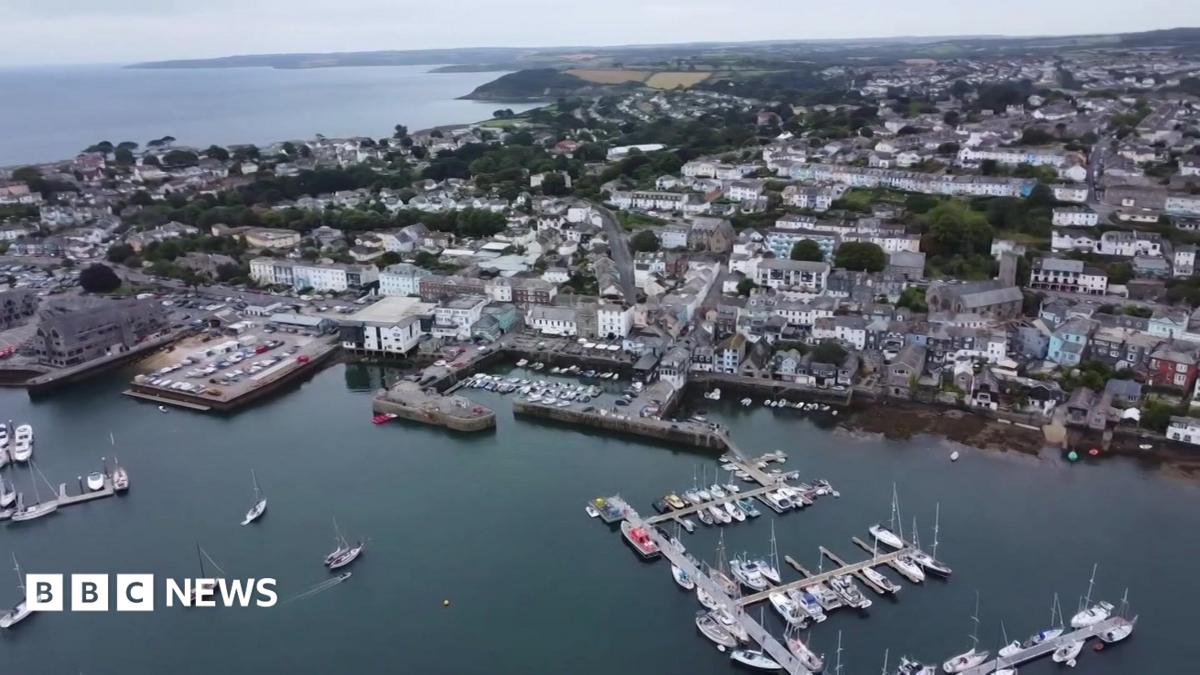
CWT said the proposed dredging area covered about 232,500 sq metres (2,502,609 sq ft), equivalent to around 32 football pitches, but only 21 sediment core samples had been analysed.
It said three quarters of the samples contained pollutants including mercury, lead, zinc, copper and tributyl tin at levels it claimed could be unsafe for disposal at sea.
Dan Barrios-O’Neill, the head of marine conservation at CWT, said the trust was not against the plans but the redevelopment “must be done carefully” to protect the environment.
“Sediment sampling carried out in preparation for the project appears inadequate, lacking the resolution needed to reliably determine which areas are dangerously contaminated and which are safe for disposal at sea,” he said.
“Right now, the data simply cannot assure us that the organisations in charge can redevelop the docks in a safe and sustainable way.”
The Stop the Dredge campaign, which opposes the proposals in their current form, said concern was growing among local residents and businesses.
Campaign representative Eve Godfrey-Styles said the group had more than 90 members, including students, business owners and fishermen.
“They’re all coming together because they are really concerned about this dredge impacting their livelihood,” Godfrey-Styles said.