
The virus is difficult to track before it causes significant harm because it spreads among grey squirrels without any visible signs.
Heather Harris, from the Lancashire Wildlife Trust, said: “Following the recent squirrel pox outbreak in Merseyside, we are reminded just how vulnerable our red squirrel populations remain, and how quickly decades of conservation efforts can be put at risk.
“Natural England’s funding will strengthen our ability to respond rapidly to such threats and work to create more resilient habitats.”
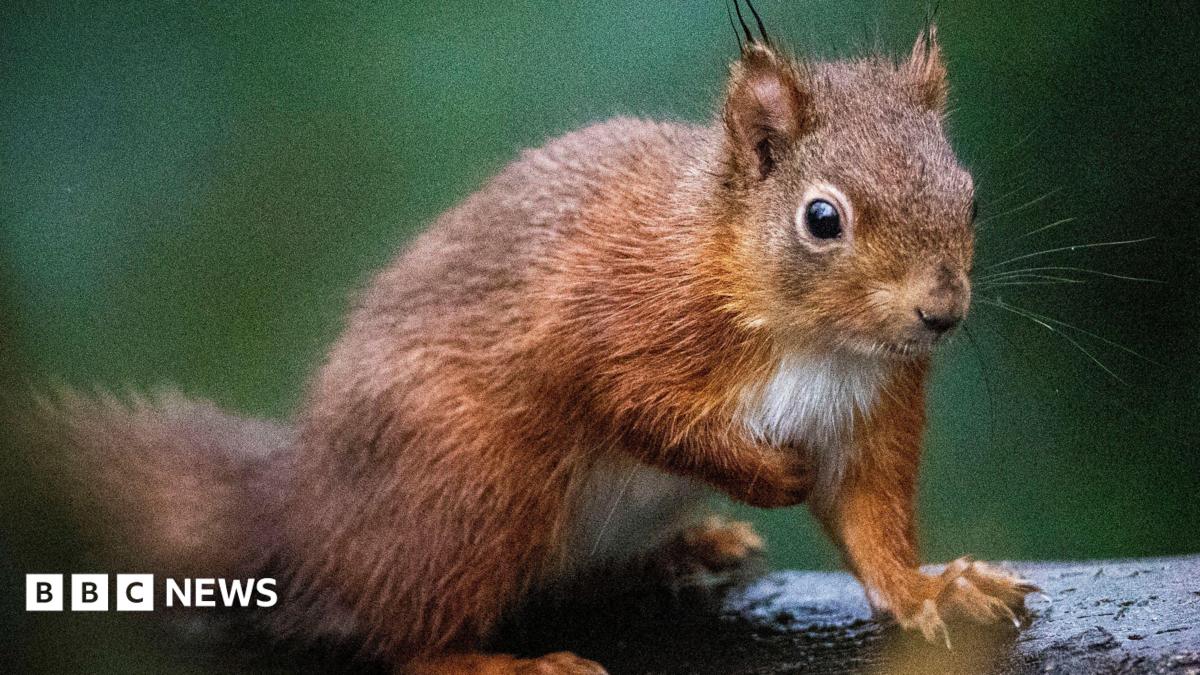
The trust said red squirrels have suffered a “catastrophic” population decline over the past century – largely due to competition for food and territory from imported grey squirrels, as well as the spread of disease.
From a population once numbered in the millions, there are an estimated 287,000 left scattered across Britain, about 70% of which are found in Scotland.
Those that remain live in “increasingly fragmented, isolated, and vulnerable” populations, the trust said.
It warned that without “sustained efforts”, the entire red squirrel population could disappear within the next 10 years.
The boost in funding will enable Lancashire Wildlife Trust to increase “grey squirrel management” across the region and respond quicker to threats at crucial red squirrel sites, it said.
It will also allow the trust to launch community tree-planting initiatives to increase natural food availability for red squirrels.