

The United Kingdom has become one of the most important markets for Colombian agri-food exports, according to Alejandro Jaramillo Gómez, the commercial attaché at the Colombian Embassy in London and ProColombia’s executive director for the UK, Ireland, and the Nordic countries.
 © ProColombia
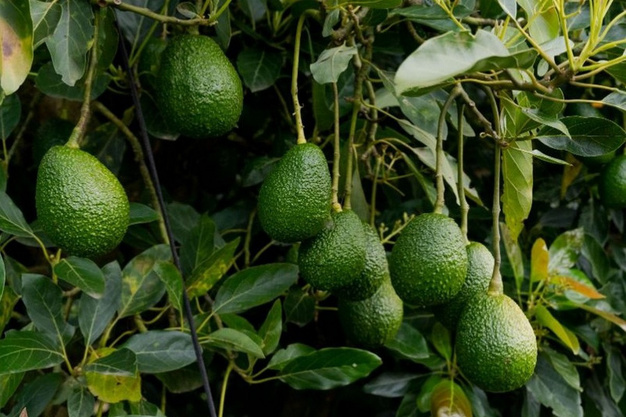
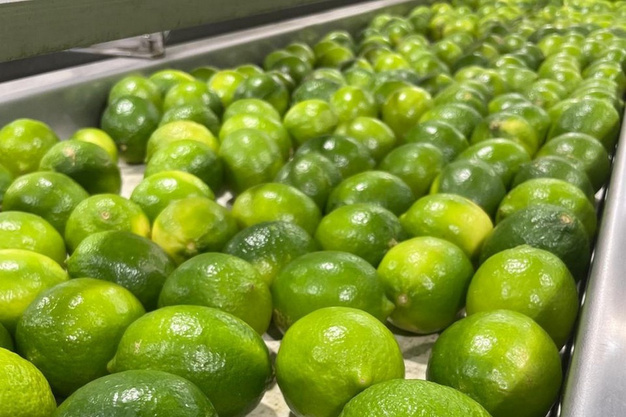
According to Jaramillo, the country is no longer seen solely as a banana exporter but as a source of a diversified range of produce, including Hass avocados, Tahiti limes, mangoes, and exotic fruits. The figures support this shift: in 2025, the UK was the third-largest destination for Colombian fresh fruit -after the Netherlands and the United States- with exports worth $38.2 million and a 26.3% increase in value. Colombia also ranks third for bananas and plantains, with a 36% share of the UK market. Meanwhile, Ireland is becoming a more active direct importing country, with banana imports growing by 94.9% and overall fresh and processed fruit imports increasing by 54%.
 © ProColombia
The executive highlighted that Colombia’s advantages over competitors like Peru, Chile, and South Africa include its diverse climate, enabling year-round production; strong logistical connectivity with sea transit times of 15 days; and existing trade agreements with the European Union and the United Kingdom.
Sustainability plays a key role here. Certifications and traceability “are no longer differentiating factors, but rather growing requirements for market access,” Jaramillo stated, highlighting that Colombia’s electrical grid, which relies on about 70% hydropower, provides a tangible advantage under European rules such as the CBAM.
 © ProColombia
Colombia has advanced in innovative technologies that boost the sector’s competitiveness. These include IoT and satellite sensors for variable-rate irrigation and fertilisation, which help reduce inputs and water use; biodegradable packaging from banana fibre or sugarcane bagasse; modified atmospheres that prolong the shelf life of avocados and citrus; investments in certified cold chains at ports and airports; and traceability systems based on blockchain or QR codes -already employed by coffee and cocoa exporters- enabling European buyers to verify origin and practices beyond paper certificates.
He also highlighted ongoing challenges, including logistics infrastructure, the cold chain, phytosanitary standards such as the European Union Deforestation Regulation (EUDR), and the formation of associations among small-scale producers. He added that the greatest growth potential lies in exotic and functional fruits, such as pitahaya, uchuva, granadilla, gulupa, and passion fruit, as well as in higher-value avocado-based products.
 © ProColombia
 © ProColombiaThe executive outlined Colombia’s role in global supply chains, noting that the country “does not compete solely on price; it competes on security of supply,” leveraging its equatorial position to enable staggered harvesting all year.
ProColombia supports Colombian exporters throughout their internationalization journey, not just during the initial commercial contact. The organization provides market intelligence, export training, guidance on regulatory requirements and consumer trends, and facilitates connections with buyers through business matchmaking events, trade missions, and market research. This support is particularly important given Europe’s phytosanitary and sustainability requirements, and it extends to cooperation initiatives that bridge gaps in quality and production and support the development of commercial relationships over time. As Jaramillo points out, in the fresh fruit sector, “trust is built shipment by shipment.”
For more information:
Alejandro Jaramillo Gómez
ProColombia – UK
Tel: +44 20391 21213
Email: [email protected]
https://procolombia.co/