
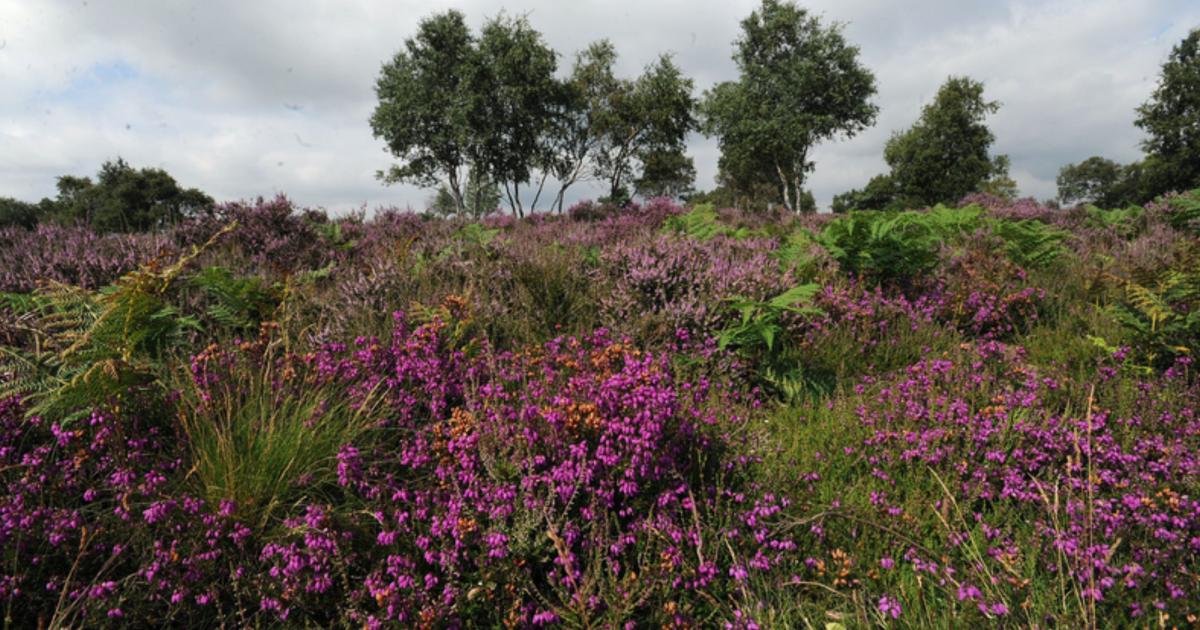
The blaze at Dunwich Heath in Suffolk burned 104 hectares of land—equivalent to 146 football pitches—raising fears for vulnerable species such as the Dartford warbler, woodlark, and nightjar.
The Dartford warbler (Image: Gail Hampshire)
Slower-moving animals, including adders, rare butterflies, and invertebrates, may have suffered significant losses.
Russell Clement, general manager at Dunwich Heath, said: “We’re still coming to terms with the loss and challenging task of assessing the damage; making the site safe and planning for its recovery is only just beginning.
“The heathland which was so special for so many is now unrecognisable but we will do everything in our power to bring nature back to this special corner of Suffolk – so that it’s home once more to the many species that lived there like the Dartford warbler, nightjar, skylark and various butterflies and reptiles.”
The wildfire ripped through the nature reserve (Image: Lucy Taylor)
The National Trust has launched a petition urging the Government to make climate resilience a national mission, warning that more frequent wildfires, heatwaves, and droughts are putting wildlife, landscapes, and communities at risk.
Hilary McGrady, director-general of the National Trust, said: “The climate crisis long predicted by scientists is happening here and now.
“Dunwich Heath is the latest alarm call telling us that things must change.
Nightjar, which has been threatened by the fire (Image: Andrew Bazdyrev)
“I’ve visited the landscape many times – it’s usually a haze of purple teeming with wildlife.
“The scale of the damage caused by a single blaze is shocking and without the actions of all those who helped, it could have been even worse.”
The National Trust has raised nearly three-quarters of its £500,000 emergency fundraising target to support recovery efforts at the site.
Any additional funds will be used to help restore other National Trust landscapes affected by the fires this year.