
Your support helps us to tell the story
From reproductive rights to climate change to Big Tech, The Independent is on the ground when the story is developing. Whether it’s investigating the financials of Elon Musk’s pro-Trump PAC or producing our latest documentary, ‘The A Word’, which shines a light on the American women fighting for reproductive rights, we know how important it is to parse out the facts from the messaging.
At such a critical moment in US history, we need reporters on the ground. Your donation allows us to keep sending journalists to speak to both sides of the story.
The Independent is trusted by Americans across the entire political spectrum. And unlike many other quality news outlets, we choose not to lock Americans out of our reporting and analysis with paywalls. We believe quality journalism should be available to everyone, paid for by those who can afford it.
Your support makes all the difference.Read more
Applicants trying to get green cards may find doing so more difficult if they have dependents who are considered public charges — people who are primarily dependant on the government for care.
On Tuesday, the U.S. Citizenship and Immigration Services issued a memo stating that officers considering applicants should consider whether or not an applicant’s relatives have taken advantage of social service programs during their time in the U.S.
The memo said that officers will now use five factors to determine if applicants are inadmissible on the basis of being a public charge. It allows officers to use all “pertinent facts” to make their rulings, according to the Trump administration.
“The Trump administration is upholding the rule of law and protecting American taxpayers from subsidizing aliens who may become dependent on public benefits,” USCIS spokesperson Zach Kahler said in a July statement regarding the rule.
He added that the agency is “committed to safeguarding the safety, security, and financial well-being of Americans.”
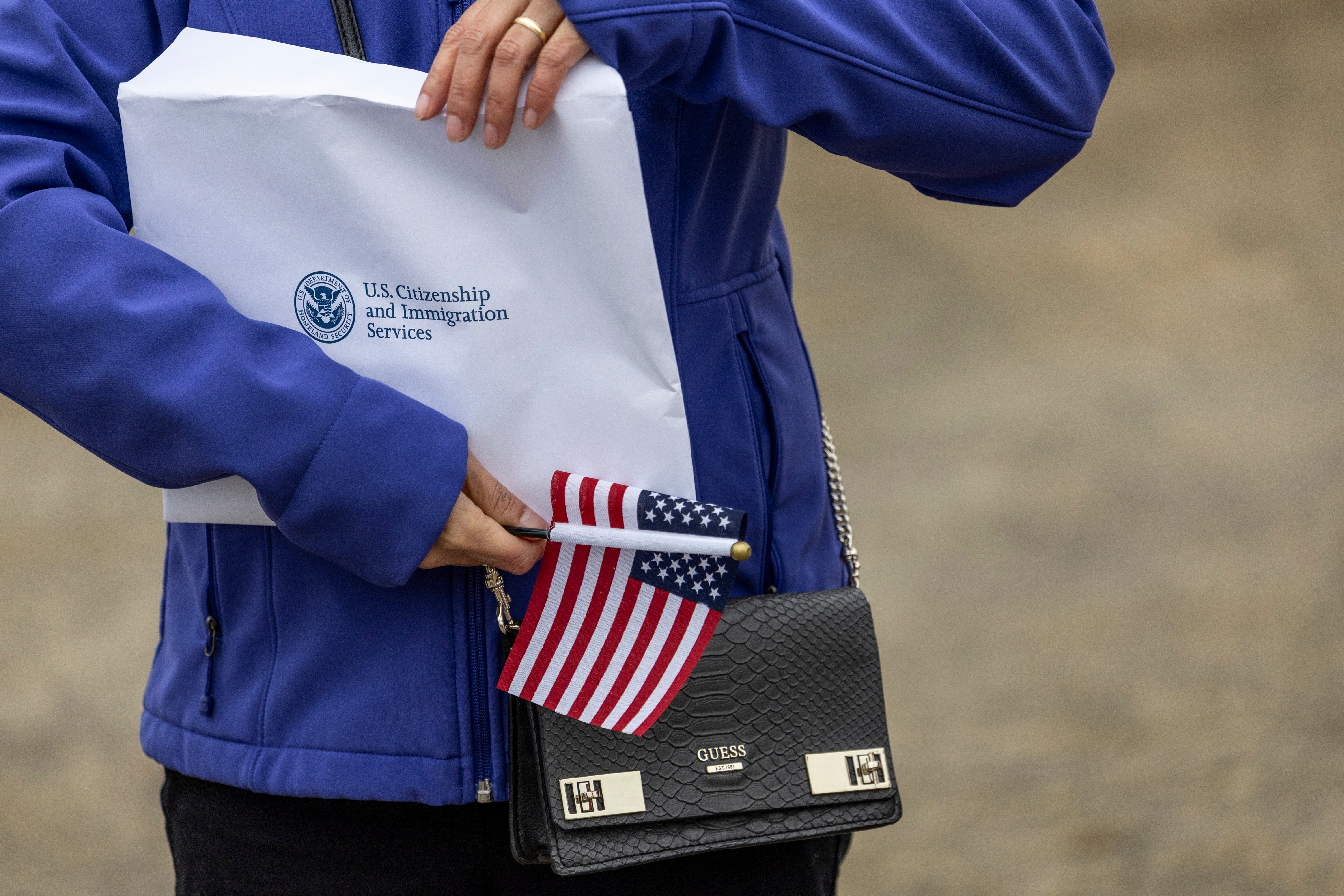 New guidance from the US Citizenship and Immigration Services will allow officers to reject applicants if a relative is deemed a public charge (Getty)
“The Immigration and Nationality Act makes certain aliens seeking a visa, admission, or adjustment of status inadmissible if they are ‘likely at any time to become a public charge,'” according to the Center for Immigration Studies.
The five factors officers are allowed to consider when evaluating applicants are their age, health, education, skills, and family status as it relates to their assets, resources, and financial status.
What that means, effectively, is that a green card applicant could be rejected because they have a relative who relies on government aid, even if the applicant themselves does not.
Officials will still be able to accept public charge bonds under the new framework.
“A public charge bond is a financial guarantee where individuals or companies pay a cash bond or post a surety bond with USCIS as an assurance that the alien will not become a public charge,” the agency’s notice says.
It says that should the applicant post “a bond in compliance with the form instructions and the notice issued by the USCIS officer, the USCIS officer may approve the alien’s application for adjustment of status, which makes the alien a lawful permanent resident and allows him or her to remain in the United States.”
Those who have been granted asylum, refugees, human trafficking victims, and special immigrant juveniles are not subject to the public charge guidance, according to the agency. Spouses, children, parents of immigrants, priority workers, investors and U.S. armed forces member, and other specific groups are subject.
The new framework replaces 2022 rules established during the Biden administration.
The Independent has requested comment from U.S. Citizenship and Immigration Services.