
The study focused on children breastfed long term – considered to be at least three months.
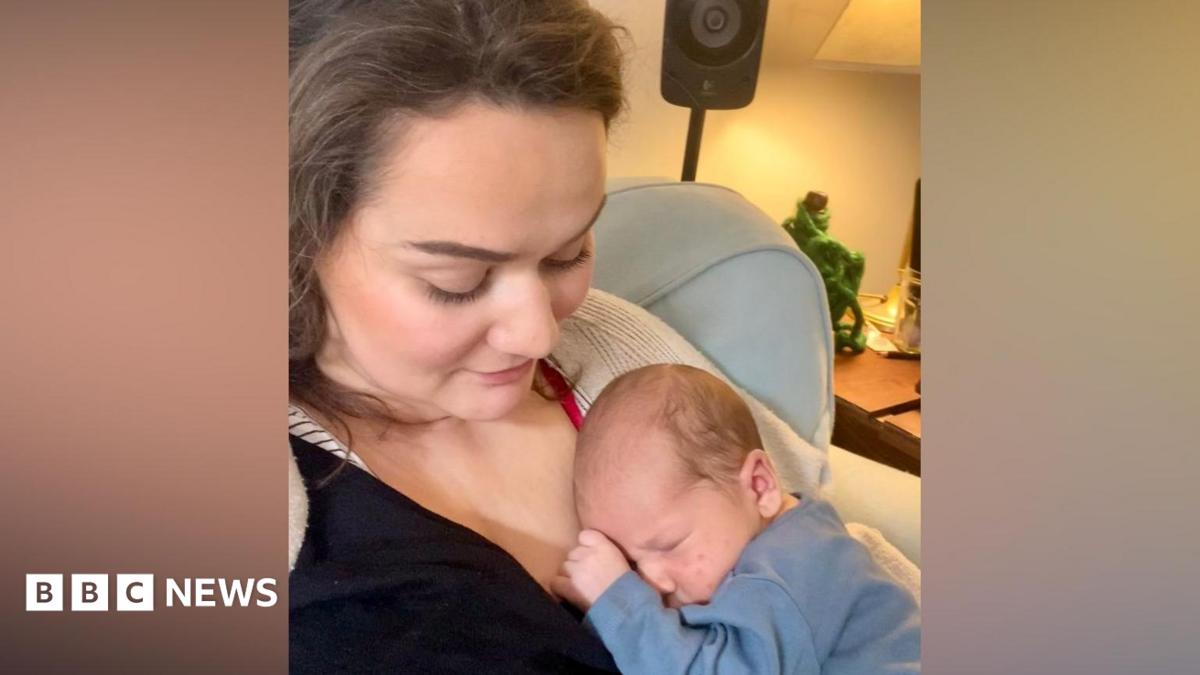
Kat Otto, from Exeter, had planned to breastfeed her son Mattis until he was a toddler but is no longer insisting on a deadline.
“There were definitely tricky bits,” she said.
“He lost a lot of weight straight after he was born so I was pushed to top up, and I’ve had mastitis, external and problems like that.
“But Mattis is 15 months now, and we’re still going. It’s fun, and it’s getting funnier and funnier, because he’s got his own mind – I won’t be giving up anytime soon.”
According to Unicef, external, an estimated 17% women in the UK exclusively breastfeed at three months – up from 13% in 2005 but still some of the lowest breastfeeding rates in the world.
The UN agency said 81% of babies were breastfed at birth, but recognised many considerations affect whether a mother continued, including latching issues, family support and personal choice.
The researchers behind the study stressed it has highlighted factors besides breastfeeding that contribute to a child’s development.
Dr Caramaschi said: “We were actually expecting to see more differences [between breastfed babies and not].
“This shows that there are many more factors involved in healthy child development.
“So obviously for mothers who can’t breastfeed, there are many more ways that they can boost their child’s immunity and their healthy development.”
Follow BBC Devon on X, external, Facebook, external and Instagram, external. Send your story ideas to spotlight@bbc.co.uk, external.