
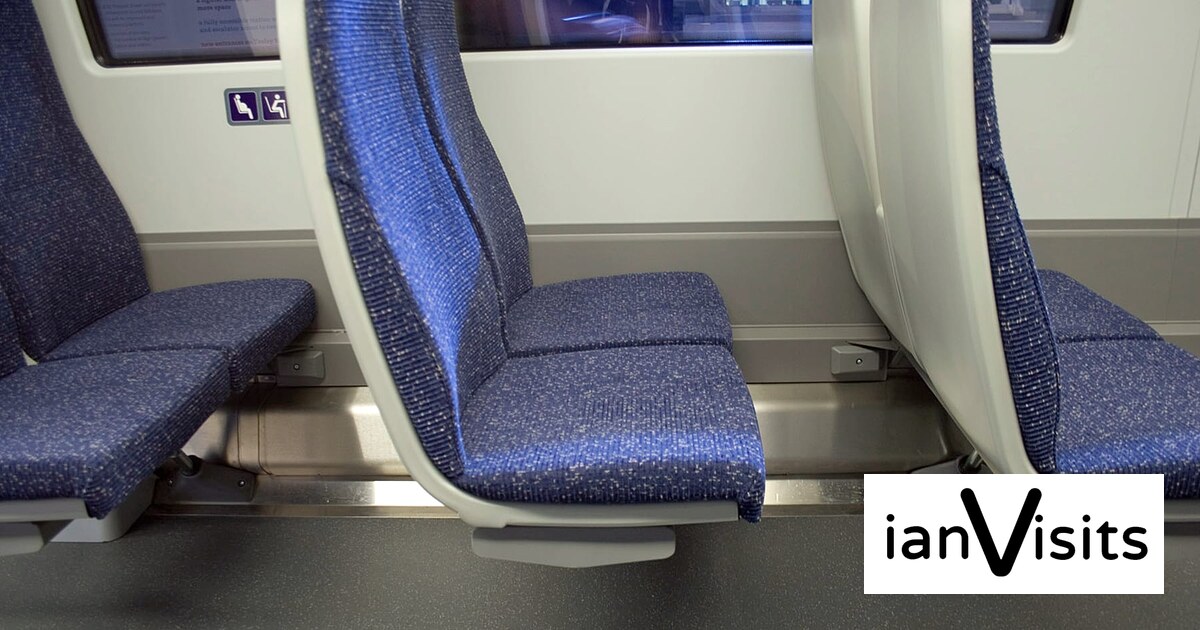
Thameslink is planning to replace its much-criticised “ironing-board” seats with more comfortable cushions.
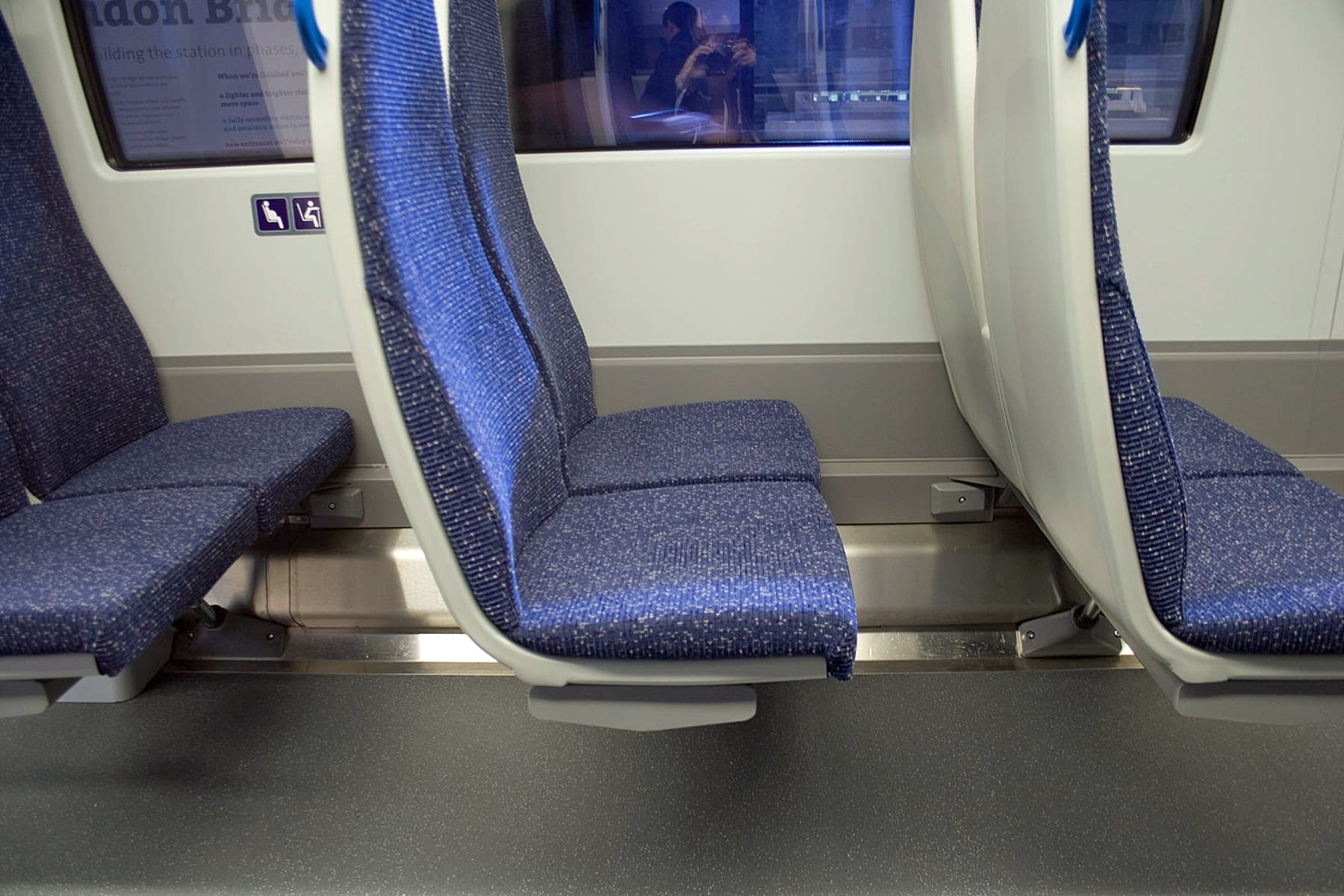 Thameslink ironing boards
Over the next two years, Greater Thameslink Railway (GTR) will be upgrading the standard-class seats across all 115 of its Thameslink trains, replacing more than 60,000 seat-base cushions and improving the backrests.
First class seats will keep their existing backrest design but are also planned to benefit from improved seat base cushions. Seat back tables are also planned for the 70 trains not currently fitted with them.
Although Transport Secretary Heidi Alexander said the decision is an example of what public ownership looks like, it was the government that ordered the ironing-board seats in the first place.
The Class 700 trains used by Thameslink were ordered by the Department for Transport (DfT) rather than the train operator, as part of the government-led Thameslink Programme. The DfT specified a high-capacity interior designed to carry large numbers of passengers through central London, including the seating type and layout.
That resulted in relatively thin, firm seats that quickly earned the less-than-flattering nickname “ironing boards” from passengers.
There have long been arguments about why such hard seats were chosen, ranging from fire-safety considerations in the padding to cost savings and packing more people per train. Arguably, trains specified for short commuter trips can get away with that, but Thameslink trains range far outside London as well, making them closer to intercity services and longer journeys need more comfortable seating.
There’s also personal preference – a soft bouncy seat is actually less suitable if you’re trying to read or work on a moving train, so a middle-point needs to be found.
And it’s long been accepted that in its original decision, the government got it wrong. And now the government is undoing that mistake.
The government has linked the announcement to GTR’s transfer into public ownership in May 2026 and the forthcoming creation of Great British Railways.
Transport Secretary Heidi Alexander said: “This is what public ownership looks like in action. Less than 100 days since GTR transferred into public control, we’re delivering on the improvements commuters have been asking for.
“From next year, we’ll start getting rid of the dreaded ‘ironing board seats’ so passengers can enjoy comfier, more pleasant journeys on some of Britain’s busiest commuter routes.”
GTR says the proposed replacements have undergone extensive passenger testing, with the upgrade expected to be carried out over two years starting next year. The work covers Thameslink’s entire fleet of 115 Siemens-built Class 700 trains.
 A new Kraftwerk album?