
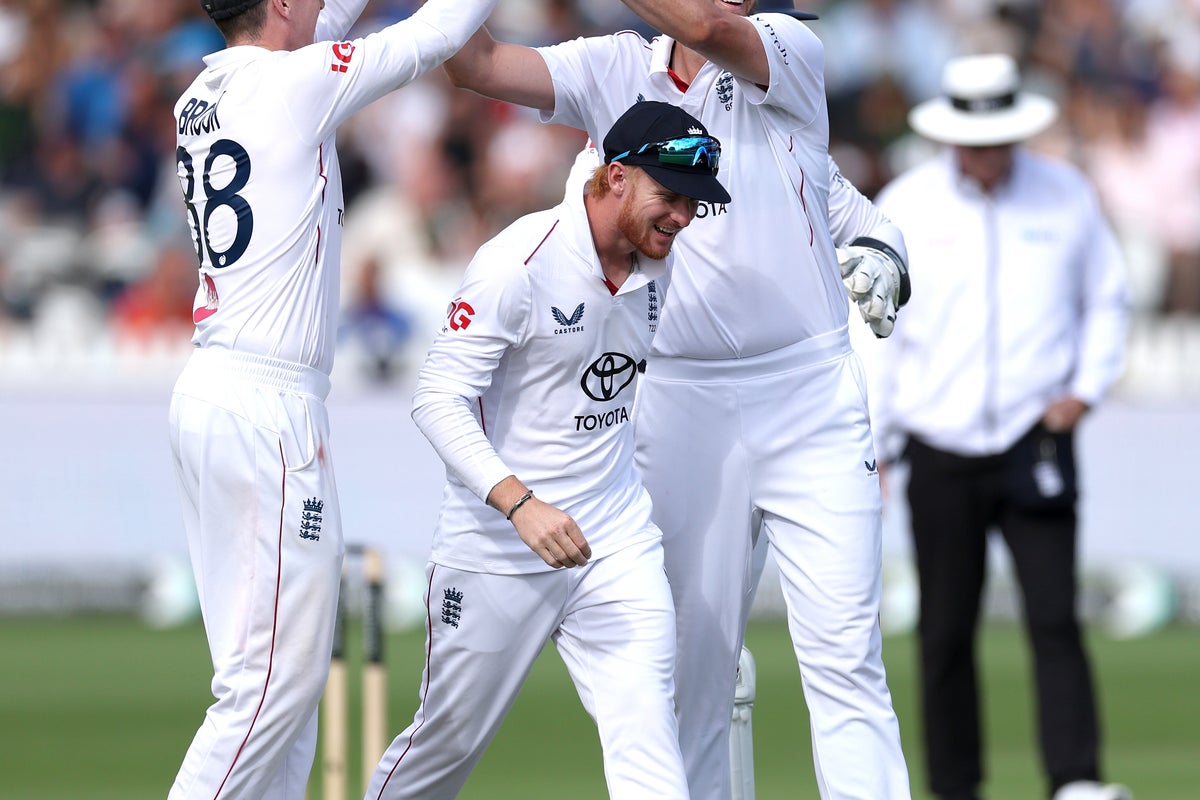
Stroll along the boundary line down by the Grand Stand that abuts Lord’s northern border in the early evening and you’ll find the telltale signs of a good day out. Popped down from the posh seats, the champagne corks spread across the day, multiplying like rabbits on the most immaculate lawn in north London. Wind your eyes down towards Baker Street and peer beneath the tufted roof of the Mound Stand and the iconography of the Marylebone Cricket Club’s official beer partner is hard to miss, Asahi swooping swiftly to strike a lucrative brand deal after Brewdog’s demise earlier this year.
Cricket and alcohol; it is an unbreakable bond. Amid the indignation that has accompanied an English cricket’s latest alleged post-midnight misdeed has come a slightly wider reckoning of a game that drives so many to the same distraction; an ever-spinning carousel of carousal feted in the good times, and condemned when they fade. Success, of course, provides a permit to party – it is losing, above all, that cannot be excused.
 England have tested the patience of their supporters with poor showings on and off the field (PA Wire)
That is the immutable truth that England seem to finally be learning. The death of the Ben Stokes/Brendon McCullum regime seemed to come as a result of the very thing that had given it life, a desire to give the playing squad freedom backfiring when they strayed too far. But it is results, ultimately, that cost the former captain and coach; the talk of saving Test cricket and of being a team to be remembered falling on deaf ears amid a prolonged period of poor performances. Throw in all that has happened off the field and one could understand if a few fans steered clear of a team struggling to get out of their own way.
“You have to get value for your money,” England’s leading Test wicket-taker James Anderson admitted this week as a portrait of he and Stuart Broad was presented in the Lord’s Pavilion. “It’s an expensive sport to play and follow, and if players aren’t performing how they should be on and off the field, then people won’t come.
“You have to remember you are an ambassador for English cricket wherever you are. Whether you are on holiday in Ibiza, or winning a game for Durham.”
Lord’s is perhaps not the best place to take the temperature of fan sentiment, with plenty here to be seen rather than to see. But close to full houses for the first two days showed that, in London at least, support for this format remains strong. This is the third Test of the summer and each has enjoyed an ample audience; despite the well-publicised pitch problems, the ECB would not dare take an Ashes Test, for example, away. One only had to look at Pakistan’s recent tour of the West Indies, and two Tests in Trinidad played out in front of only a handful of loyal parishioners, to see the decay of grand old churches elsewhere in the world – and to be reminded not take such support for granted.
But with the high ticket prices comes a certain sense of expectation. Those that pay the premium expect to see a winning England – and one that wins the right way. It is that tricky balance that this cricket team is trying to find again.
One would say that they have the right leader for that task. The last seven days have perversely revealed why Joe Root was the man to step in for Stokes more than anything that may come on the field – it is hard to fathom an alternative scenario in which Harry Brook was the captain tasked with the difficult duties in public and private that must have followed Brydon Carse’s incident. Root, a modern master with no sense of arrogance, measured his words well; he has both the clout and the character that will be required to build a new England.
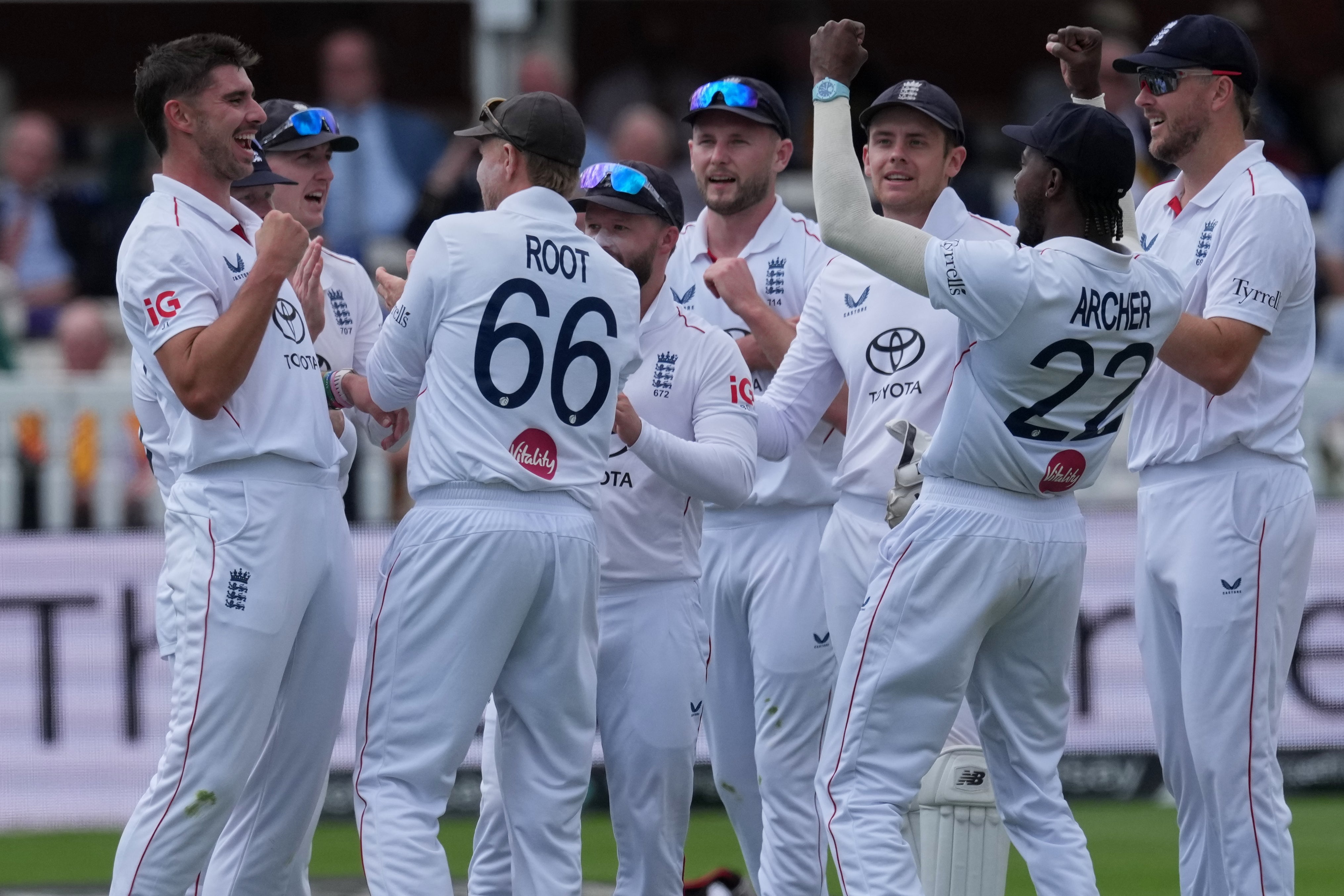 England have made an encouraging start to the Pakistan series despite more off-field trouble (AP)
“I think that actually we have an opportunity moving forward,” he said ahead of this Test. “Clearly, we’re not portraying ourselves how we want to, and I think we’ve got an opportunity to build a culture that’s very strong, that’s something that we can be proud of, is player-driven. Of course that’s not going to happen overnight.
“We’ve already started having conversations as a team about what is expected from this group of players, what it means to play for England, what it takes to play for England. But we want to create something that we can be proud of, and people that follow us can be proud of. We want the supporters to look at us and not just revere what we do on the field, but off it as well.”
Pakistan’s inadequacy has made it tough to ascertain the progress made towards refinement England require. Which is not to say that there have not been encouraging signs for Root. Back-to-back half-centuries from Jordan Cox have displayed his talent and temperament, and a tempo of his choosing rather than one imposed from the top down. Their seam attack has the potential to be as potent as any – with room to grow together.
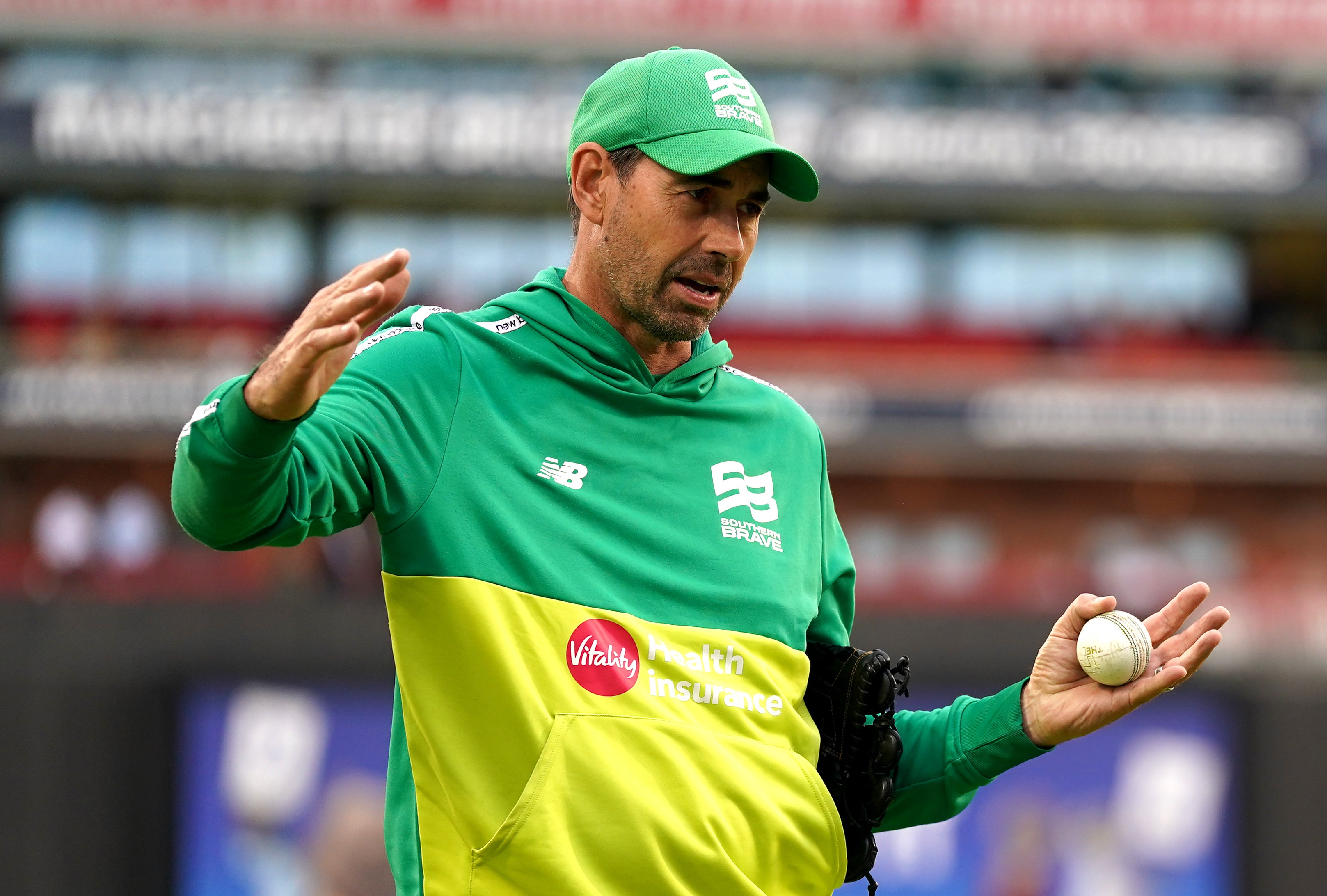 Stephen Fleming, England’s new Test head coach, has not yet arrived to take up his role (PA Wire)
There remains, though, a striking lack of seniority to be addressed. It is clearly not a help that Stephen Fleming, the newly-appointed head coach, will not arrive until after this series; Jamie Smith, after his first-innings 50, spoke of the positive impact made by Michael Yardy, seconded on an interim basis from the Lions to bolster a thin back-room team. England of late have probably lacked both a comforting arm on the shoulder and stern word in the ear – on and off the pitch.
“We went through our careers. People messed up and we were no angels — we enjoyed a beer and celebrated victory as hard as anyone,” Anderson explained. “But when we were successful, we had players who did that sort of policing. Someone would say, ‘Just come away, you don’t need another drink, you don’t need to go to a nightclub,’ and if someone wasn’t training properly someone would say to them, ‘You tossed off that net session, you didn’t practise properly.’ This is a young team and they’ll get there.”