
Credit: Far Out / Alamy
Tue 1 September 2026 2:00, UK
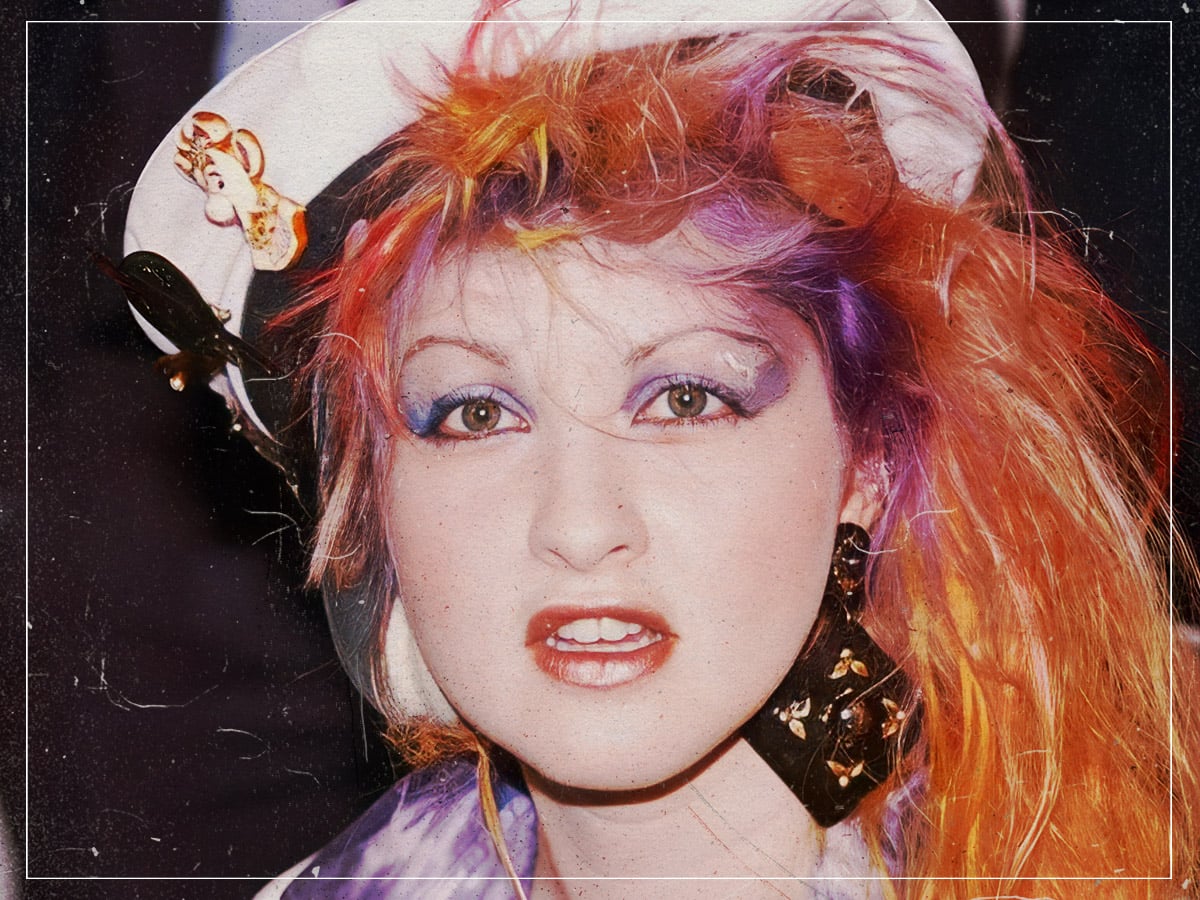
By 1986, the pop battle between Madonna and Cyndi Lauper was starting to point to a victory for Bay City’s most famous daughter.
Three years earlier, Lauper stood as the undisputed ‘Queen of Pop’. After jumping from her Blue Angel entrance to the new wave in 1980, she hustled the New York club circuit and eventually landed an eager spot in David Wolff’s management, leading to the fateful signing with Portrait Records and the road to 1983’s She’s So Unusual’s pop explosion.
Before Madonna stole the VMA show with ‘Like a Virgin’s wedding cake, it was Lauper who towered the tallest amid the new MTV landscape. Giving even the second British Invasion bunch a run for their money, Lauper’s thrift store glam and bursting ball-of-energy presence were exactly what the new cable channel demanded. The aesthetic was there, and luckily, she had cuts like the feminist reimagining of Robert Hazard’s ‘Girls Just Want to Have Fun’ and the ‘Time After Time’ ballad in the bag, peaking at number two and one, respectively.
Lauper was an American pop sensation. But over the next few years, Madonna’s stature as the decade’s chart icon only grew, adding a new dimension of sexual allure, cultural debate, and intelligent popcraft that made the ‘Holiday’ singer a worldwide superstar. Lauper’s distinct brand of colourful synthy bubblegum didn’t seem as sophisticated in Madonna’s shadow.
Still, while Madonna’s True Blue was dominating pop, Lauper was gearing up for her big sophomore effort. “The second album says, ‘Have the courage of your convictions and love yourself a little’,” Lauper told The New York Times in 1986.
“To say, ‘Love yourself’, because we really are taught not to,” she added. “When babies are born, they’re just nuts about everything about themselves. Then, as we get older, we’re taught that, oooh, that’s disgusting, and that if we like ourselves, then that’s considered conceit. That’s part of the album, too – not to be so hard on yourself.”
Such sentiments were given their defining anthem with the title track and lead single to True Colors. Dropped a month ahead of the album in August 1986, Lauper teamed up with the ‘Like a Virgin’ hitmakers Billy Steinberg and Tom Kelly to pen a song celebrating one’s individual, ‘unusual’ nature amid a sea of conformity.
Further reading: From The Vault
Some would praise the single; others would deem the cut saccharine, but ‘True Colors’ landed with a pertinent chime in the LGBTQ+ community as the AIDS/HIV epidemic was wreaking its devastating effects and inflaming society’s homophobia across the late 1980s.
It was a final roll of the dice. While Madonna’s pop reign would continue into the 21st century, ‘True Colours’ would stand as the last time Lauper ever sat atop the Hot 100, managing to eke out a couple more top tens before largely playing the cult, nostalgic circuit from then on. However, its message has endured on a personal note for Lauper and her longtime fans, triggering the True Colors United campaign to end homelessness among LGBTQ+ youth for nearly 20 years.
