
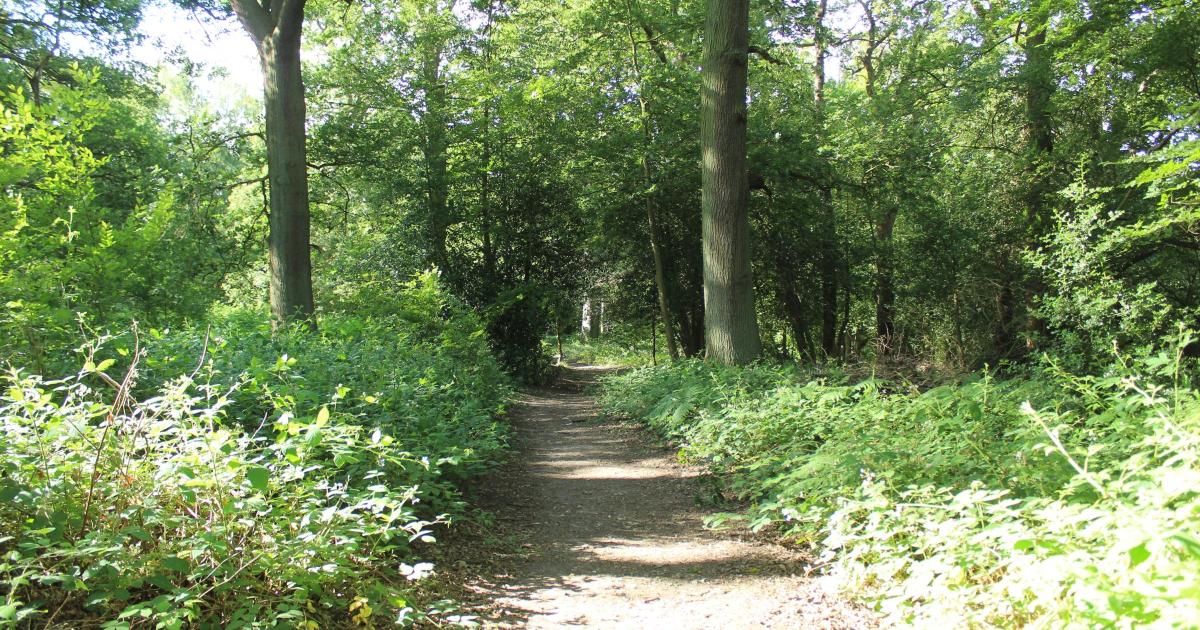
New species records and surprising discoveries have been made, some not seen in the county for decades.
A peak count of more than 300 chalkhill blue butterflies was recorded at Hexton Chalk Pit, near Hitchin, while a great white egret was spotted at Amwell, near Ware.
A Great White Egret was seen at Amwell Nature Reserve near Ware. (Image: HMWT)
Dan Townsend, senior reserves officer at the wildlife trust, said: “One of the most exciting things about wildlife recording is that you never quite know what you are going to find.
“This summer we’ve had some extraordinary records, from species that haven’t been recorded in Hertfordshire for decades to new discoveries for individual reserves.
“They show just how much wildlife is out there, and how important it is that we protect the habitats it depends on.”
Several discoveries were made through the Herts Invertebrate Project, which visited Fir and Pond Woods, near Potters Bar, at the end of June.
During the visit, the team recorded euides basilinea – a planthopper associated with reeds, and never before recorded in Hertfordshire.
The stripe-winged grasshopper was also identified, marking a new record for the reserve.
Previously known from only three county sites, this species appears to be spreading.
A stripe-winged grasshopper was spotted at Fir and Pond Woods near Potters Bar. (Image: Ian Carle)
The survey also uncovered agyneta mollis – a tiny money spider classified as ‘nationally rare’ and listed as a priority species under the UK Biodiversity Action Plan.
An unexpected discovery was also made during a Local Wildlife Site survey at Hexton Chalk Pit.
Volunteers found a glow worm – the first records at the reserve for 25 years.
A follow-up night visit revealed a glowing glow worm elsewhere on the reserve.
Hexton Chalk Pit near Hitchin. (Image: Kathryn Dunnett)
Hot weather has had mixed effects on wildlife.
Grasshoppers appear to be thriving, with species like the stripe-winged grasshopper recorded at more sites.
Butterflies have also benefited, with some able to complete their life cycle more quickly in the heat and emerge in larger numbers.
A peak count of more than 300 Chalkhill blue butterflies was recorded at Hexton Chalk Pit. (Image: Paul Thrush)
However, the warm conditions have been challenging for bumblebees and hoverflies, which have struggled during the hottest periods.
Dan said: “Every record matters.
“These discoveries help us understand which species are present, where they are found and how they are responding to changes in their environment.
“That knowledge is essential for informing the management of our nature reserves effectively and giving wildlife the opportunity to thrive.”