
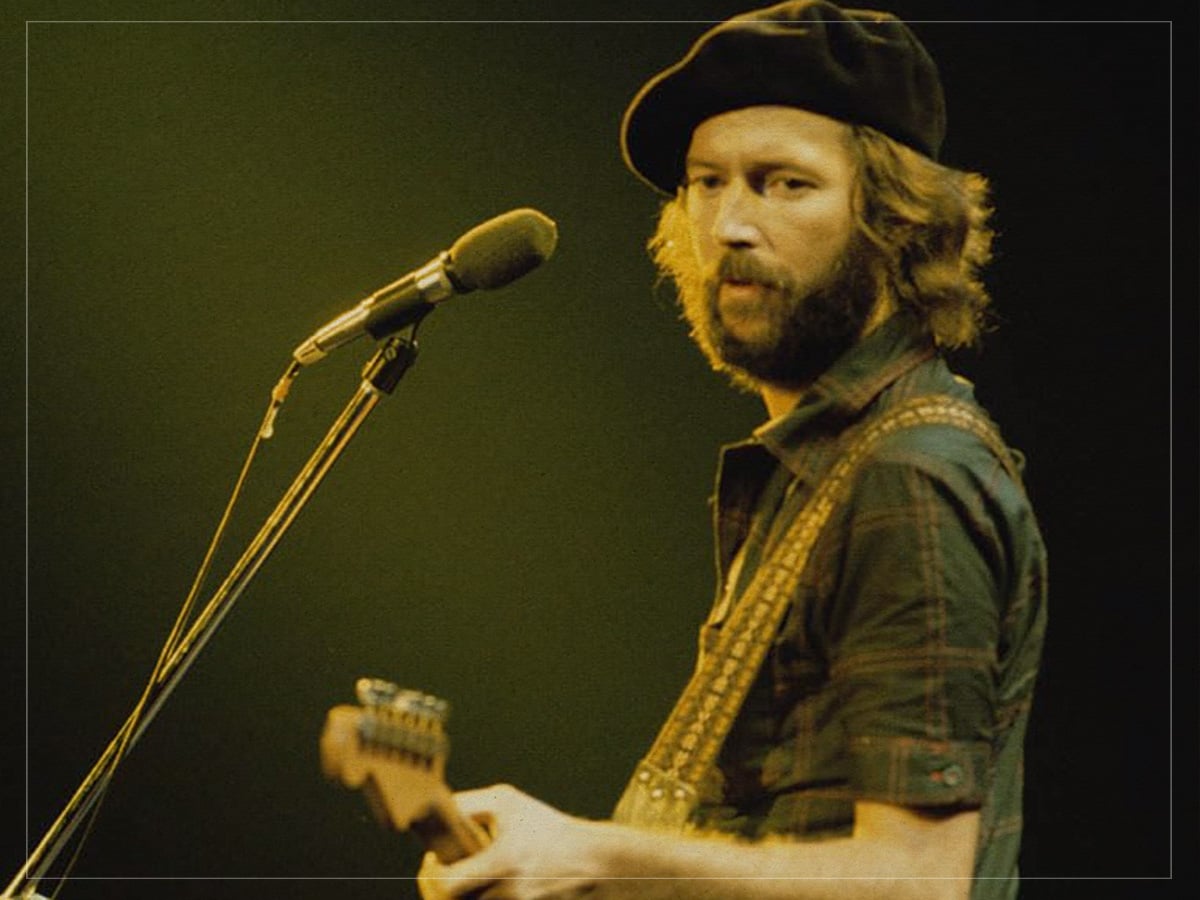
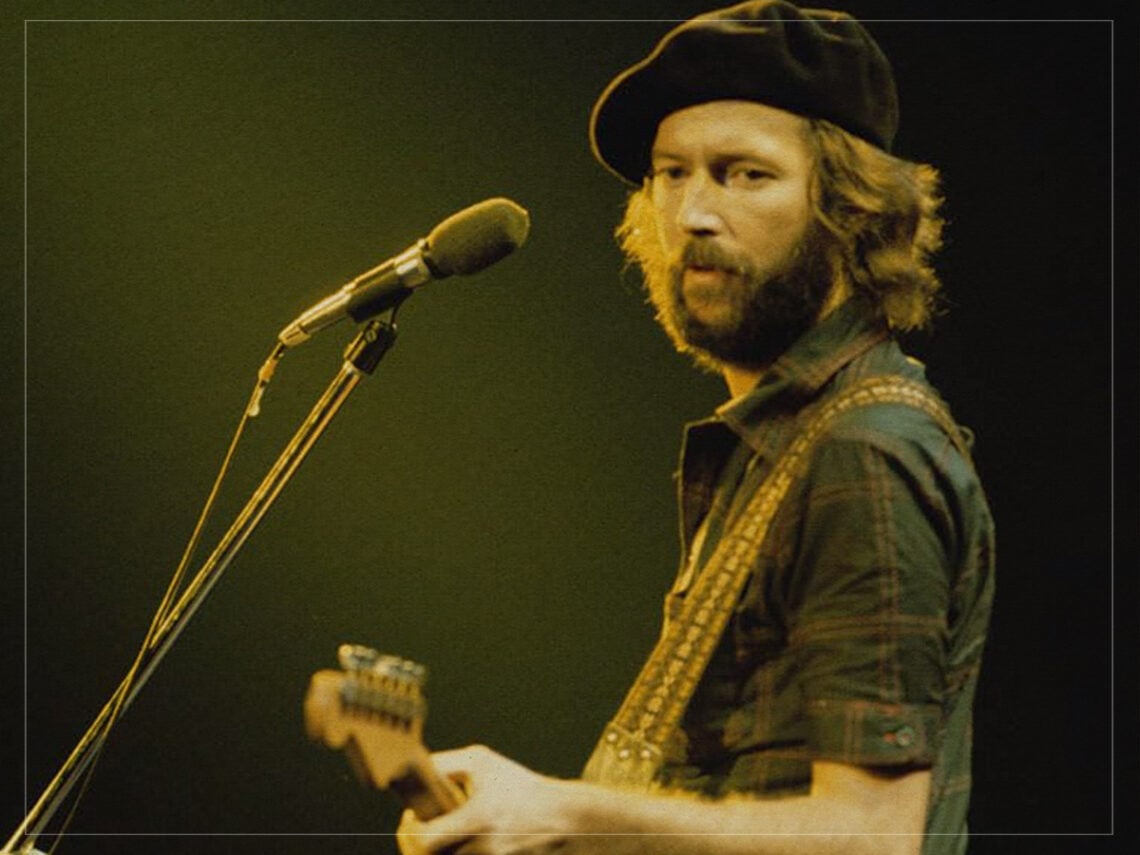
Credit: Far Out / Showtime Documentary Films
Tue 1 September 2026 20:59, UK
It didn’t take a rocket scientist to figure out why so many guitarists gravitated towards Eric Clapton in his prime.
Compared to some of the biggest names in the rock and roll world, Clapton earned every single accolade that he deserved when he was being called a guitar god, and while he could play a million notes a minute, he was always looking out for what the song needed every single time he bent one of his strings on one of his tunes. But he felt that if he were to go off on his own, he was going to need the songs to be able to pull the whole thing off correctly.
That’s partly why he was in so many supergroups around that time. He hadn’t yet begun to write tunes like his idols did, and while he could work on fleshing out many of his tunes in Cream, it wasn’t until ‘Presence of the Lord’ with Blind Faith that he first started working on tunes completely by himself. It wasn’t easy, but it was going to be much more rewarding hearing songs that were a bit more authentic to him.
He couldn’t go on playing blues standards for the rest of his life, and when he embraced being a singer-songwriter, he actually had a fair amount to say when he didn’t play licks all of the time. Not every one of those records that he released in the 1970s was necessarily a homerun, but when you listen to an album like Slowhand, he was definitely making the best of his songwriting skills when working on a track like ‘Wonderful Tonight’.
Because despite being one of the greatest musicians of his time, Clapton wanted to focus on the intricacies of songwriting by the time he went solo. He had fallen in love with what people like The Band had been doing whenever they made their records, and he wanted to do anything he could to get anywhere close to that level of songwriting whenever he started penning some of his own tunes.
It wasn’t going to happen overnight, but by the time that he opted for a soft-rock approach in the 1990s, he had a better handle on what that kind of songwriting method meant. ‘Tears in Heaven’ was a piece of music that touched people in their souls before they even heard what the tune was about, and after he had songs like that under his belt, a record like Pilgrim was the next best place for him to go.
He still had time to flesh out his blues chops every now and again, but he felt like capturing the same kind of emotion that he heard out of someone like Curtis Mayfield on his album New World Order, saying, “His last album, New World Order, came out the year I was starting to put this album together, and it was a huge inspiration to me. It was great on so many levels. First, Curtis is older than me, yet he was working in a very hip field. The album was very progressive and featured guys like Organized Noise, a tremendously modern, urban r&b production company. That in itself is pretty cool.”
Further reading: From The Vault
The album wasn’t going to persuade Clapton to start trying out his hip-hop chops or anything, but it was all about the approach to music. He began to think about his songs in a different way, and the more he looked at what was coming out of R&B, the more he understood the role of the guitar as another voice in the band rather than being the star attraction on every one of his songs.
A band like Organized Noise doesn’t sound like it should have anything to do with Clapton’s style of playing, but it was never about what the actual songs sounded like. It was about the emotion that they created when they came on, and Clapton would do anything that he could to get his emotions out there the same way he heard Mayfield do it. They were different styles, but they were both speaking the same musical language.
