
Sylvester Stallone in ‘Rocky’ (John G Avildsen, 1976)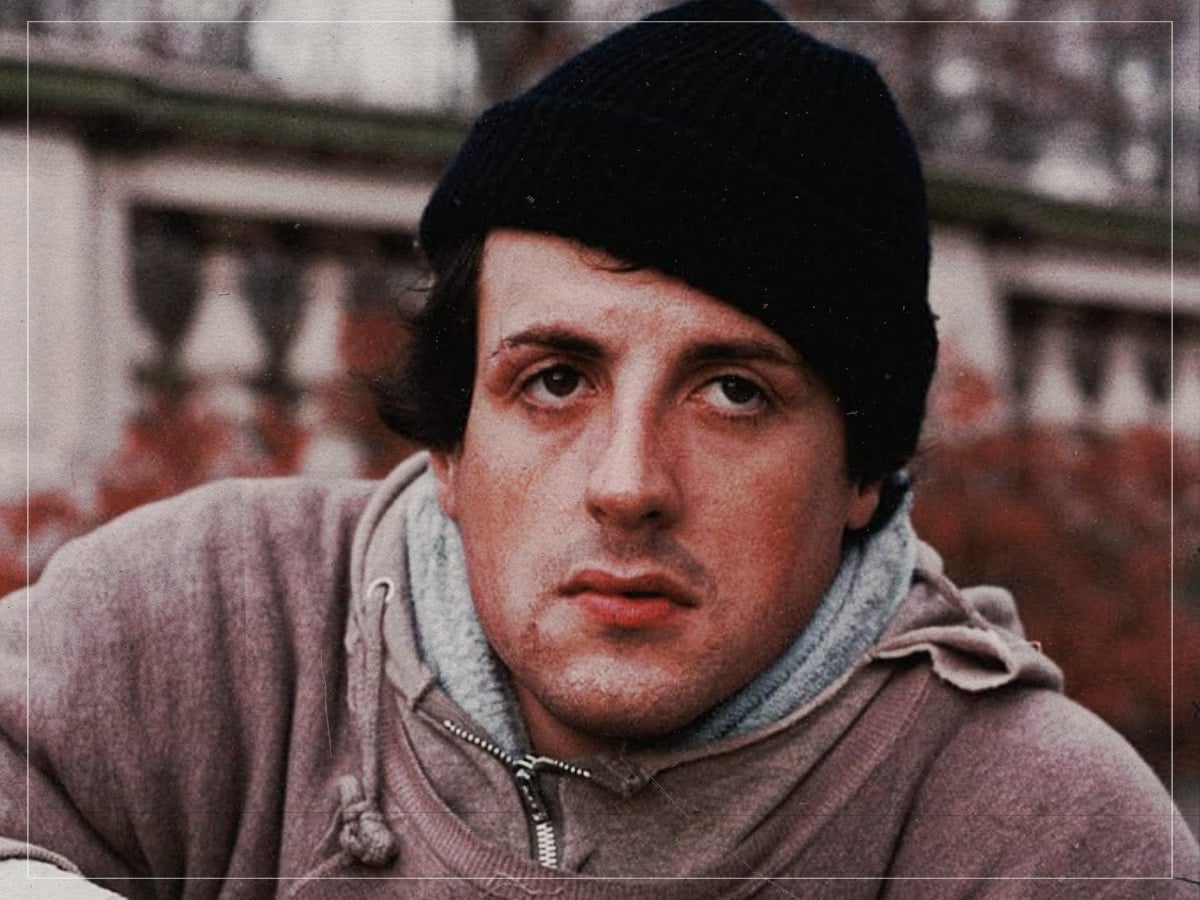
Rocky is a ‘Best Picture’ winning classic, one of the biggest films of the ‘70s, and the first instalment in a franchise that continues to this day, and it all started with a screenplay by Sylvester Stallone, who was frustrated by his lack of progress as a star, so wrote himself a star vehicle where he could play the hero.
Although MGM offered to buy him out several times and replace him with a familiar face, Stallone refused to sell the script unless he could be Rocky Balboa.
It’s obviously a risk that paid off when Rocky became synonymous with Stallone, as they shared an inspirational underdog story, and moreover, His self-confidence also allowed him to have creative control over the franchise, as he would go on to direct four of the sequels himself and shape its future.
Orson Welles in ‘Citizen Kane’ (Orson Welles, 1941)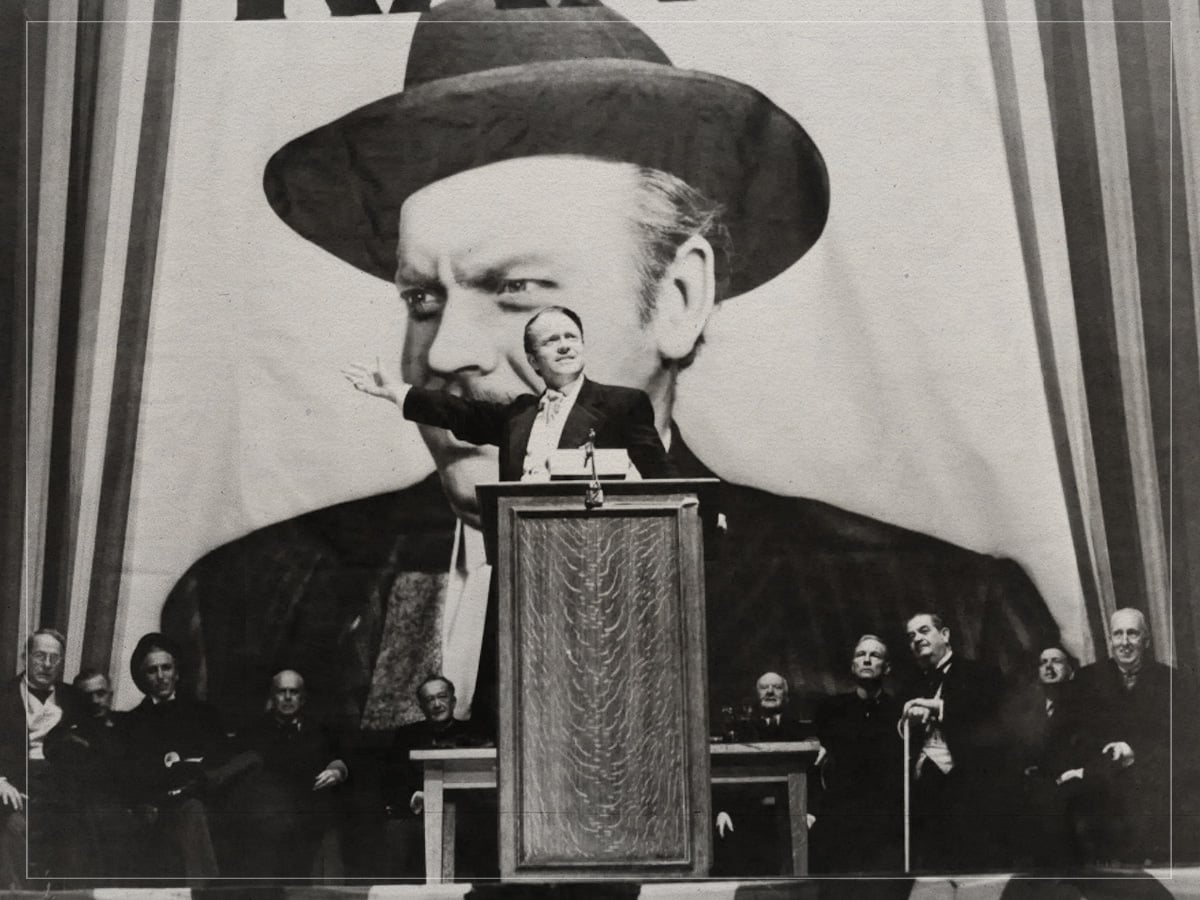
Orson Welles was already known as the boy wonder when he collaborated with Herman Manckiewicz on the ambitious American epic Citizen Kane to make his directorial debut. There was no guarantee that success on the stage would translate to acclaim on the big screen, and Welles was making so many creative decisions with the direction of the film that he risked undermining his performance.
It was by both directing and starring in Citizen Kane that Welles ensured that he would be intertwined with the legacy of what might be the greatest film ever made; even if everyone knows that Casablanca is a masterpiece, the average moviegoer probably couldn’t name Michael Curtiz as the director.
That Welles was the face of his films ensured that he would keep getting funded for all of his other projects, some of which failed to materialise, but not for a lack of talent.
Kieran Culkin in ‘Igby Goes Down’ (Burr Steers, 2002)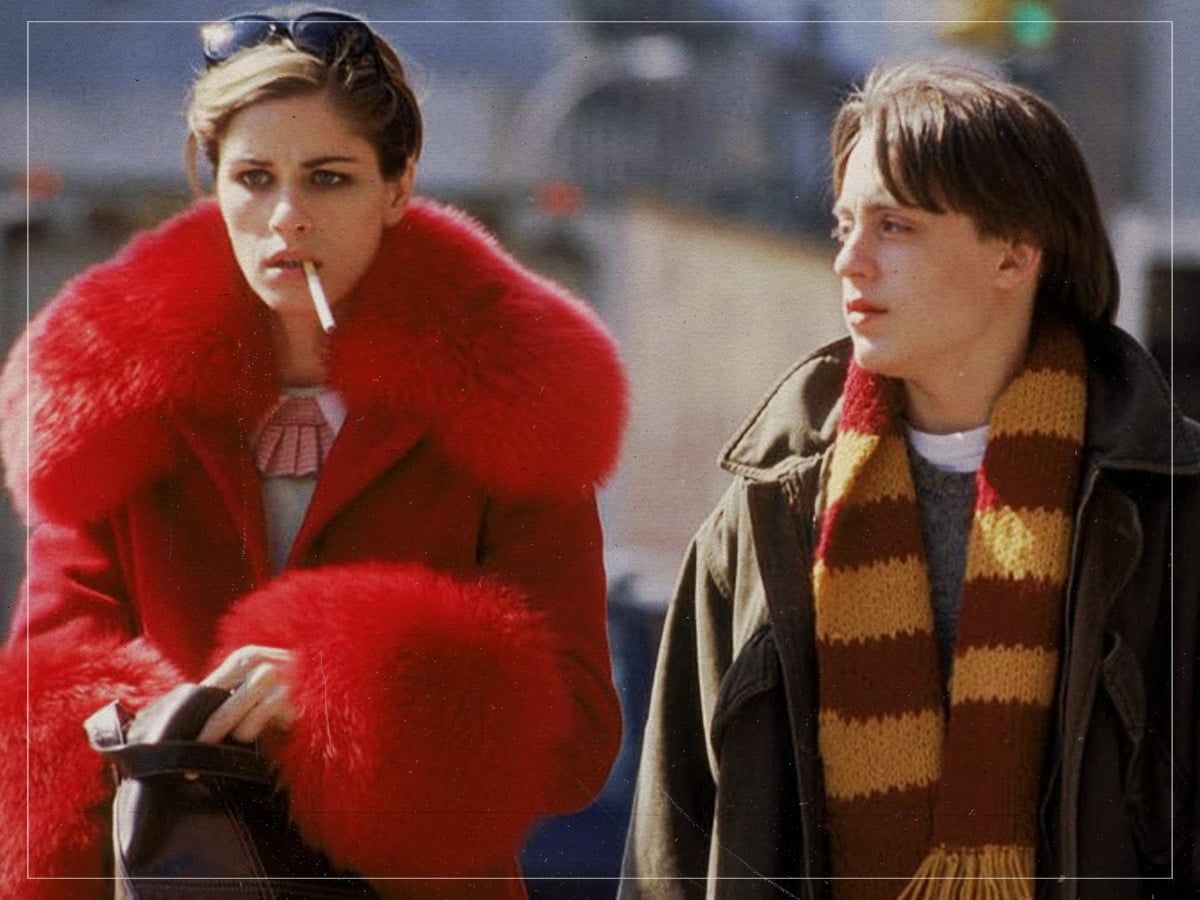
Kieran Culkin seemed like he was going to be perpetually known as the younger brother of the Home Alone kid, and he was about to age out of the timeframe in which he could be the funny younger sibling in films like Father of the Bride and She’s All That.
In an effort to prove himself as a capable actor on his own, he chose Igby Goes Down, a dialogue-heavy feature film debut for Burr Steers that risked polarising its audience with an opinionated protagonist who could have easily been grating.
Regardless, Culkin nailed his performance, proving that he was more than a second-rate Kevin McCallister and showing a strong personality type with his snarky, quick-witted acting style. It’s in Igby Goes Down that he crafted a persona that led to both his Emmy and Oscar victories with Succession and A Real Pain, respectively.
O’Shea Jackson Jr in ‘Straight Outta Compton’ (F Gary Gray, 2015)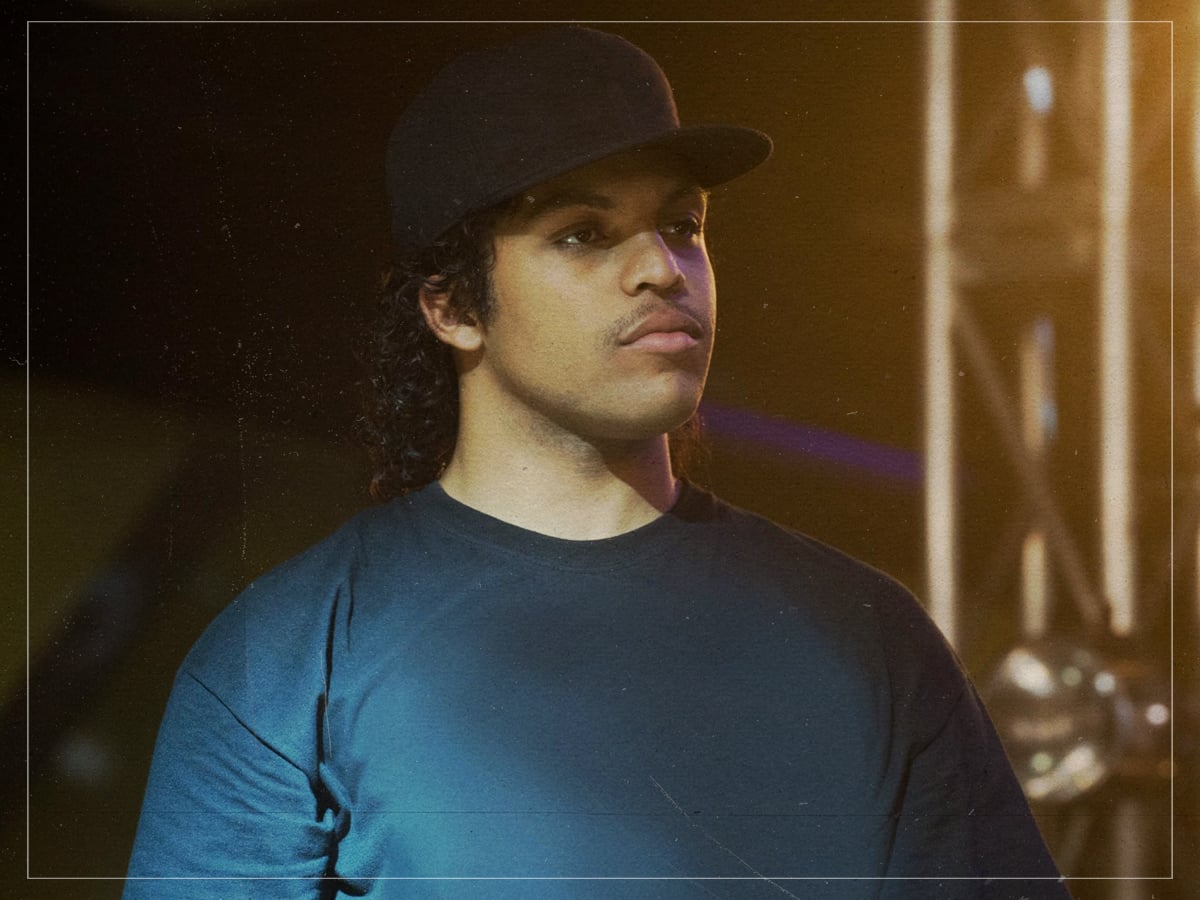
There’s nothing that film critics love digging into more than nepotism, and so the news that Ice Cube’s son was going to be playing his father in a biopic about NWA was setting up O’Shea Jackson Jr for either immense success or a huge failure.
If he couldn’t nail the role, it wouldn’t just reflect poorly on him as an actor but inspire backlash from fans who adore his father. Despite being set up with great co-stars in Jason Mitchell’s Eazy-E and Corey Hawkins’ Dr Dre, Jackson was the heart of Straight Outta Compton with his soulful, powerful performance as a young artist moved to take a stand against police brutality.
Ironically, he has ended up having a much better acting career than his father, who was mocked for being in Amazon’s War of the Worlds, whereas Jackson has been turning in scene-stealing performances in Long Shot, Ingrid Goes West, and Idiots.
Matt Damon in ‘Good Will Hunting’ (Gus Van Sant, 1997)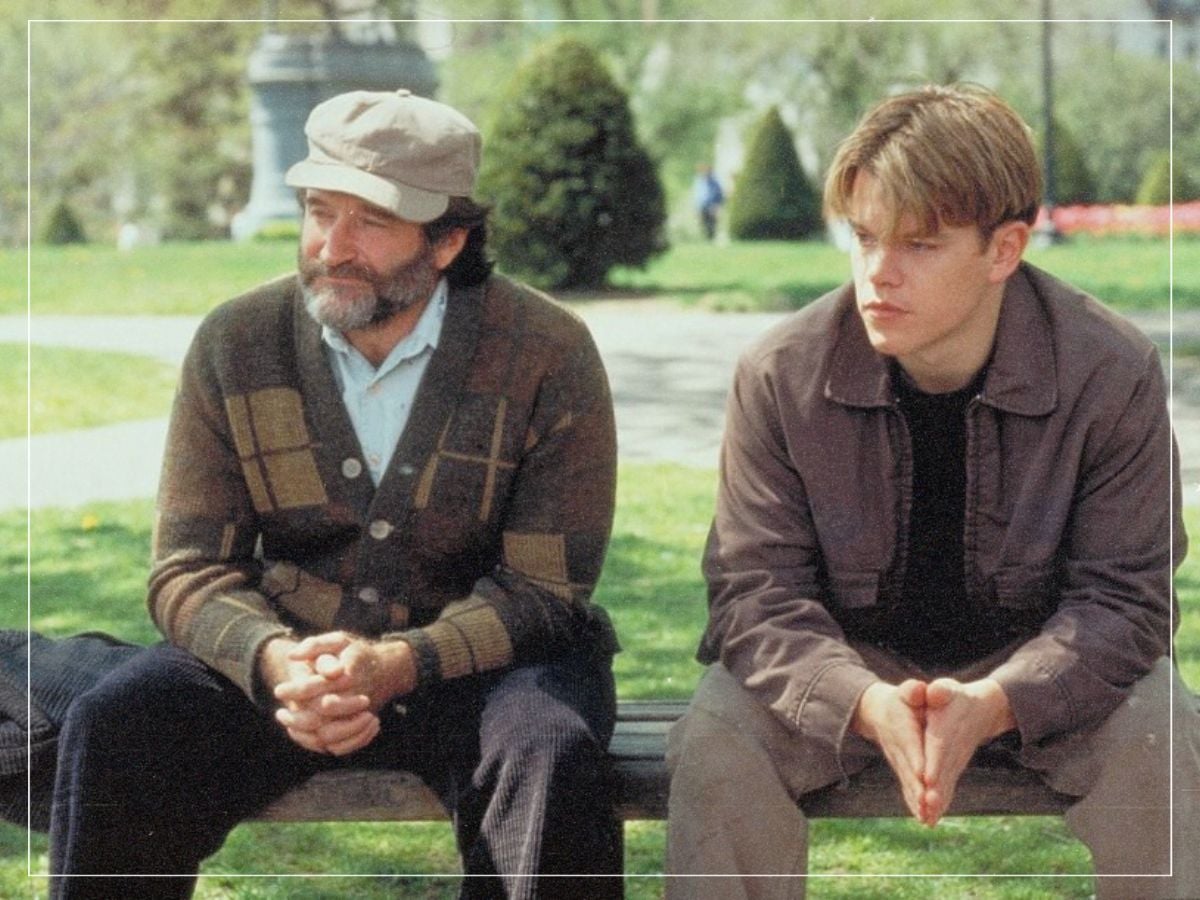
Matt Damon had lost out on roles in Scent of a Woman and Primal Fear, and was disappointed when he auditioned for the lead in School Ties, only to be cast as the bully. It was only by creating a role for himself that he would be able to showcase his range as an actor, but it was also a risk that could have derailed his career if audiences didn’t fall in love with Will Hunting.
There were a number of talented young stars in the ‘90s who were in a similar space, but Damon rose above them all by putting his heart on the screen and going toe-to-toe with Robin Williams.
Good Will Hunting was more than just a vanity project for two childhood friends to make a fantasy about a brilliant young Boston underachiever, but an all-time great coming-of-age drama that launched one of the most successful working actors.
Christopher Reeve in ‘Superman: The Movie’ (Richard Donner, 1978)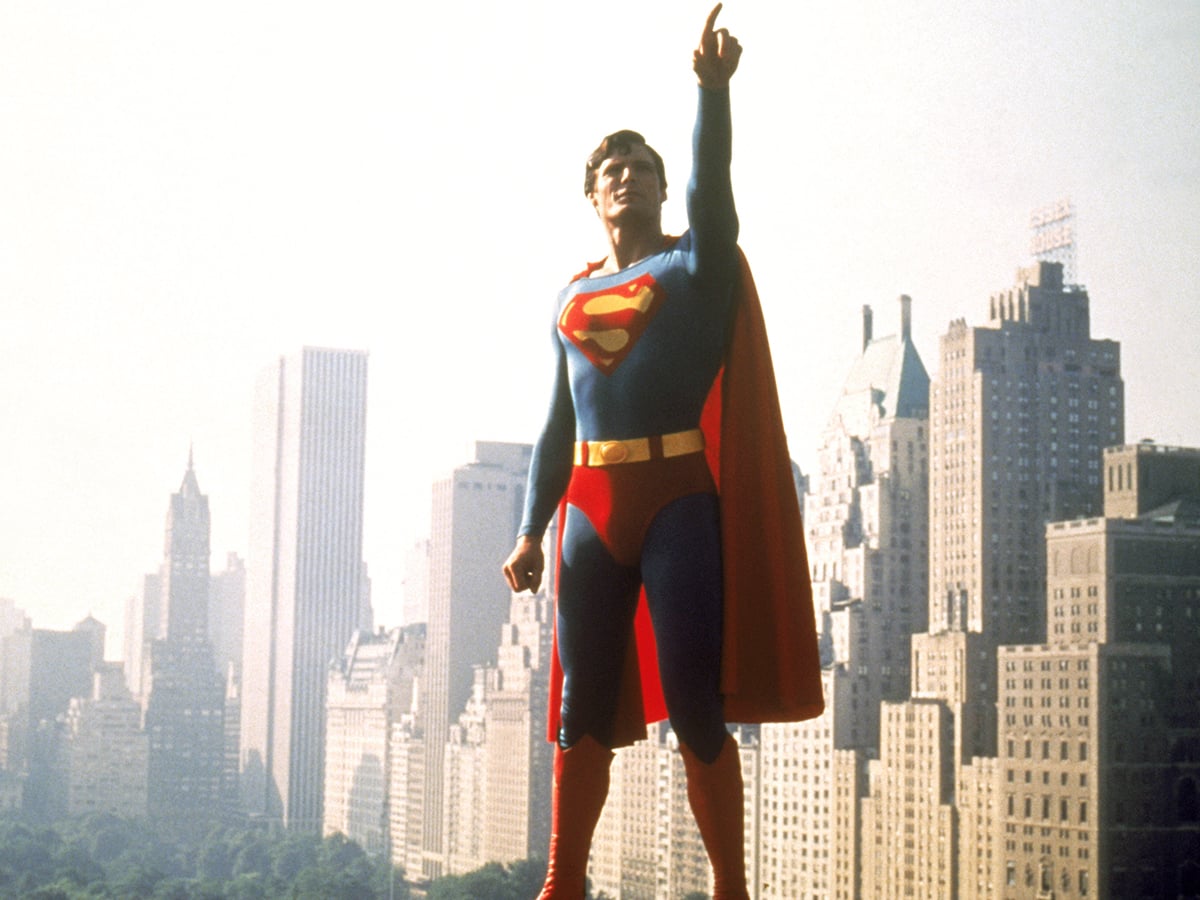
There are a few characters so iconic that screwing them up would be sacrilegious, and Superman is one of them.
Although it’s impossible to imagine a time in which the superhero wasn’t a fixture in popular culture, it’s worth considering that the DC hero could have faded into obscurity if Superman: The Movie hadn’t worked, following the track of other classic characters like John Carter, Flash Gordon, and Buck Rogers.
Casting an unknown to fill the role of George Reeves was a tremendous risk for Warner Bros, as there was a chance that the film could look completely ridiculous, especially if the special effects didn’t work as well, but Christopher Reeve’s Clark Kent was so inherently noble, charismatic and amusingly awkward at times, that every actor that followed remains intimidated to walk in his footsteps.
Daniel Day-Lewis in ‘My Left Foot’ (Jim Sheridan, 1989)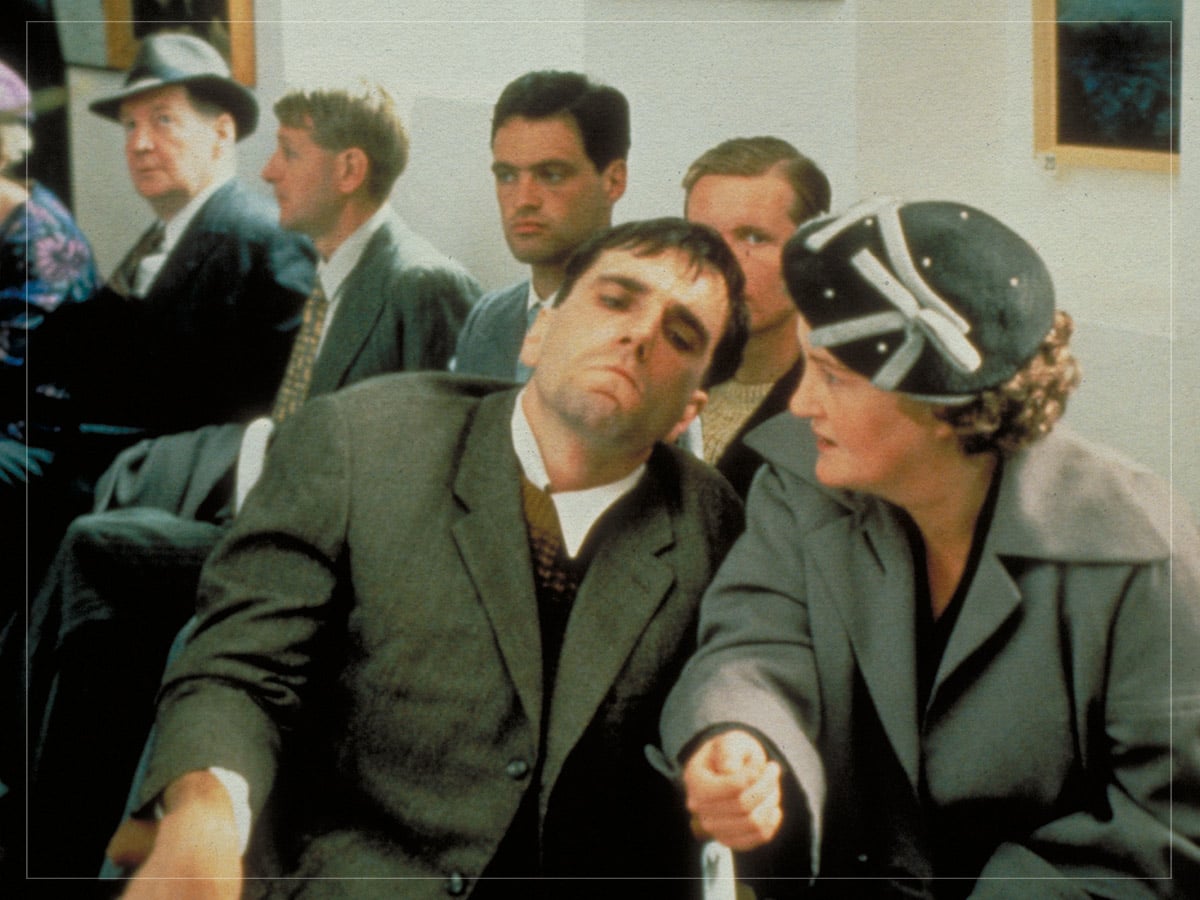
Before he was deemed the greatest living actor, almost at par with Marlon Brando, Daniel Day-Lewis was only seen in minor roles in The Bounty and A Room with a View, but then he took on an enormous risk with My Left Foot that involved staying in character so that he had to be rolled around in a wheelchair by the crew while on set.
While a miscalculated performance could have offended disability advocacy groups, Day-Lewis managed to show empathy in the role, such that the film was universally beloved and won him an Academy Award, setting a standard for how the actor would conduct himself on future projects, while allowing him to be selective in picking what to commit himself to mind, body and soul.
Brendan Fraser in ‘The Whale’ (Darren Aronofsky, 2022)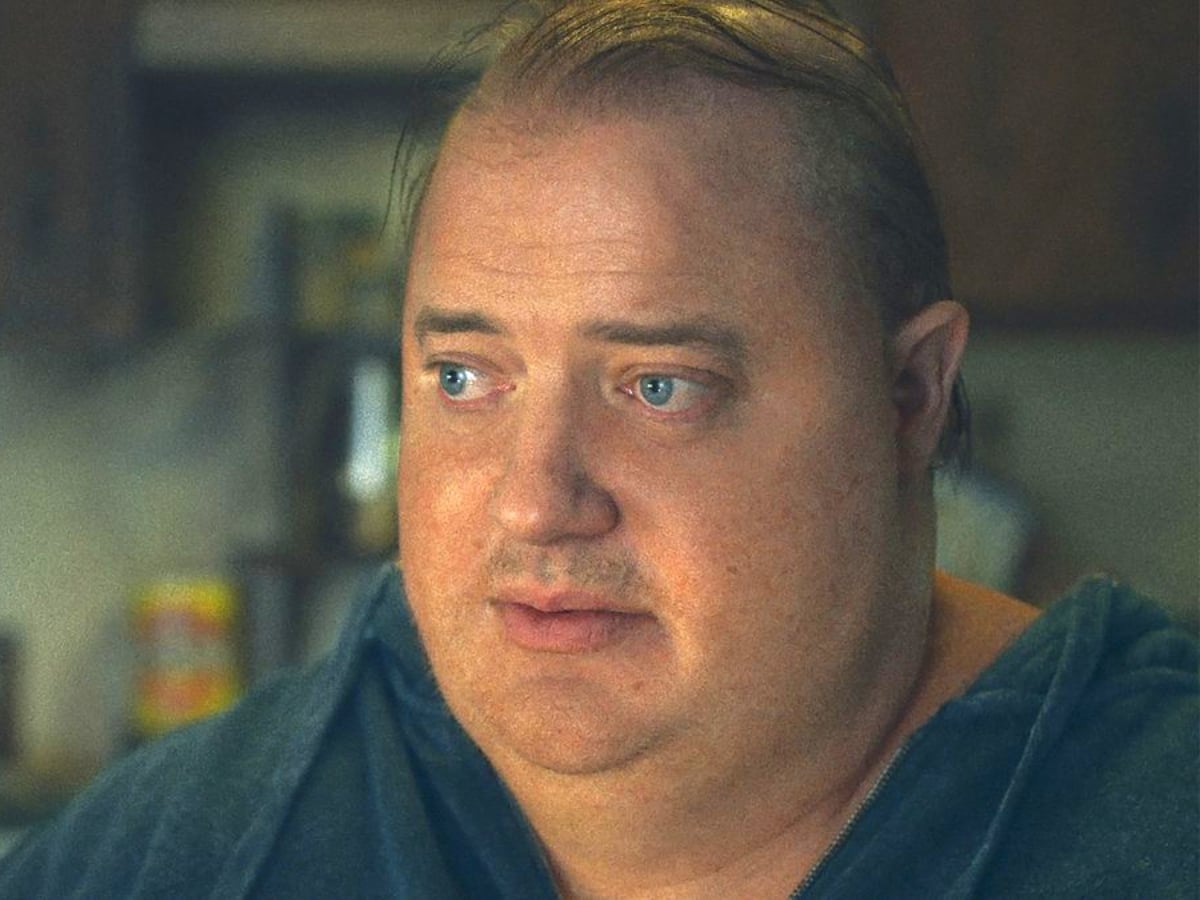
Brendan Fraser was in an interesting career position where he had to relaunch himself after a period of critical decline, in which he aired grievances about the abuses he experienced in the industry.
Although he had been offered a few supporting roles in the Steven Soderbergh crime film No Sudden Move and the Danny Boyle television series Trust, The Whale was an opportunity for him to prove that he was still a capable leading man, and one who was worthy of working with a demanding director like Darren Aronofsky.
The Whale would have been a disaster without its central performance, as its subject material could easily have been the subject of mockery, but Fraser’s sensitive, emotionally mature work in the film both won him an Academy Award for ‘Best Actor’ and solidified his comeback, leading to a new chapter in his career.
Andy Serkis in ‘The Lord of the Rings: The Two Towers’ (Peter Jackson, 2002)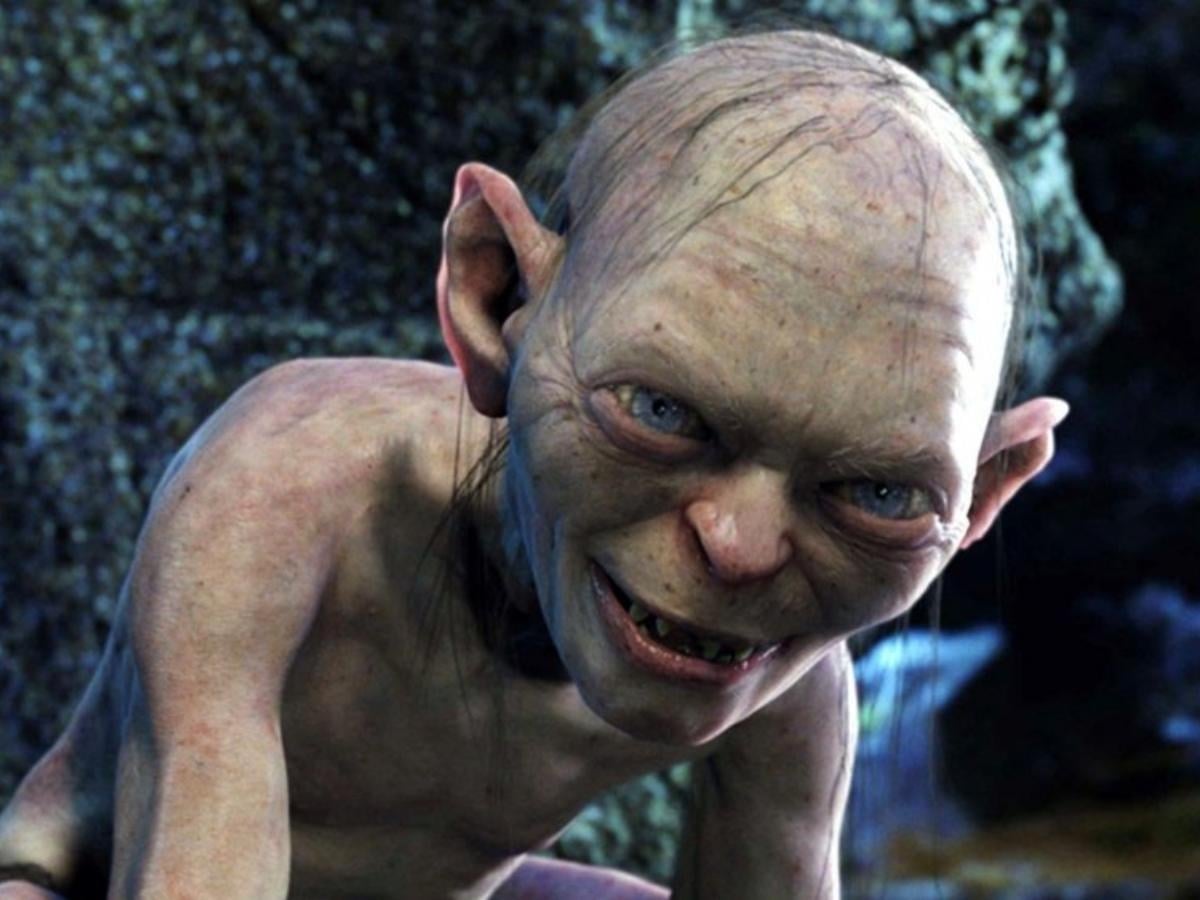
Andy Serkis was taking on an incredible risk with The Lord of the Rings trilogy because the first actor to do a motion-capture performance, Ahmed Best playing Jar Jar Binks in Star Wars: Episode I – The Phantom Menace, faced disastrous consequences that were career-ending.
Gollum presented an even greater challenge because he was a character who is funny, scary, and tragic, representing the effects that the ‘One Ring’ has on mortals. The technology wasn’t fully proven when Serkis started work on the trilogy, and his co-stars had no idea what the final character design would look like.
Gollum ended up being a true achievement in CGI, but one made possible due to Serkis’ physical performance, and it led him to develop a reputation as being the godfather of motion-capture, acting in movies like King Kong and Planet of the Apes.
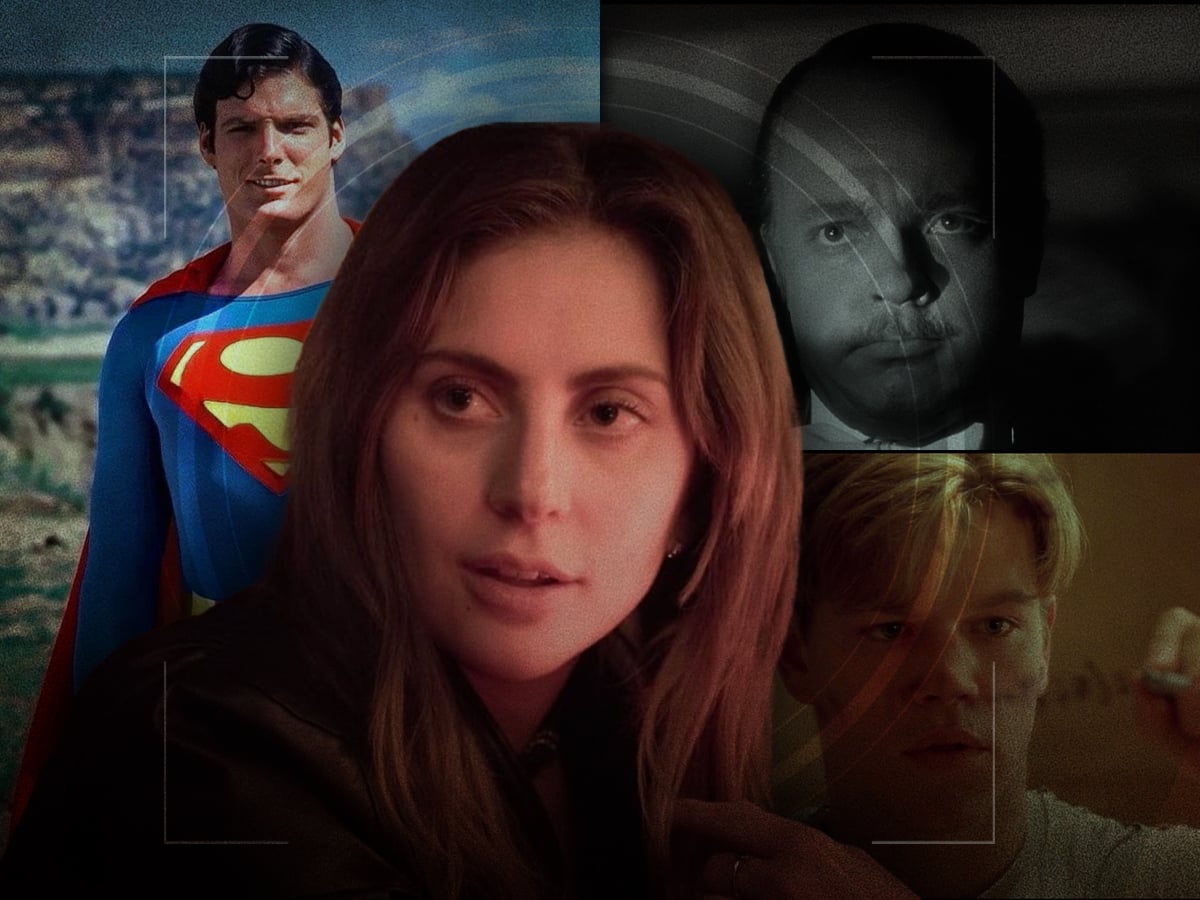
Lady Gaga in ‘A Star is Born’ (Bradley Cooper, 2018)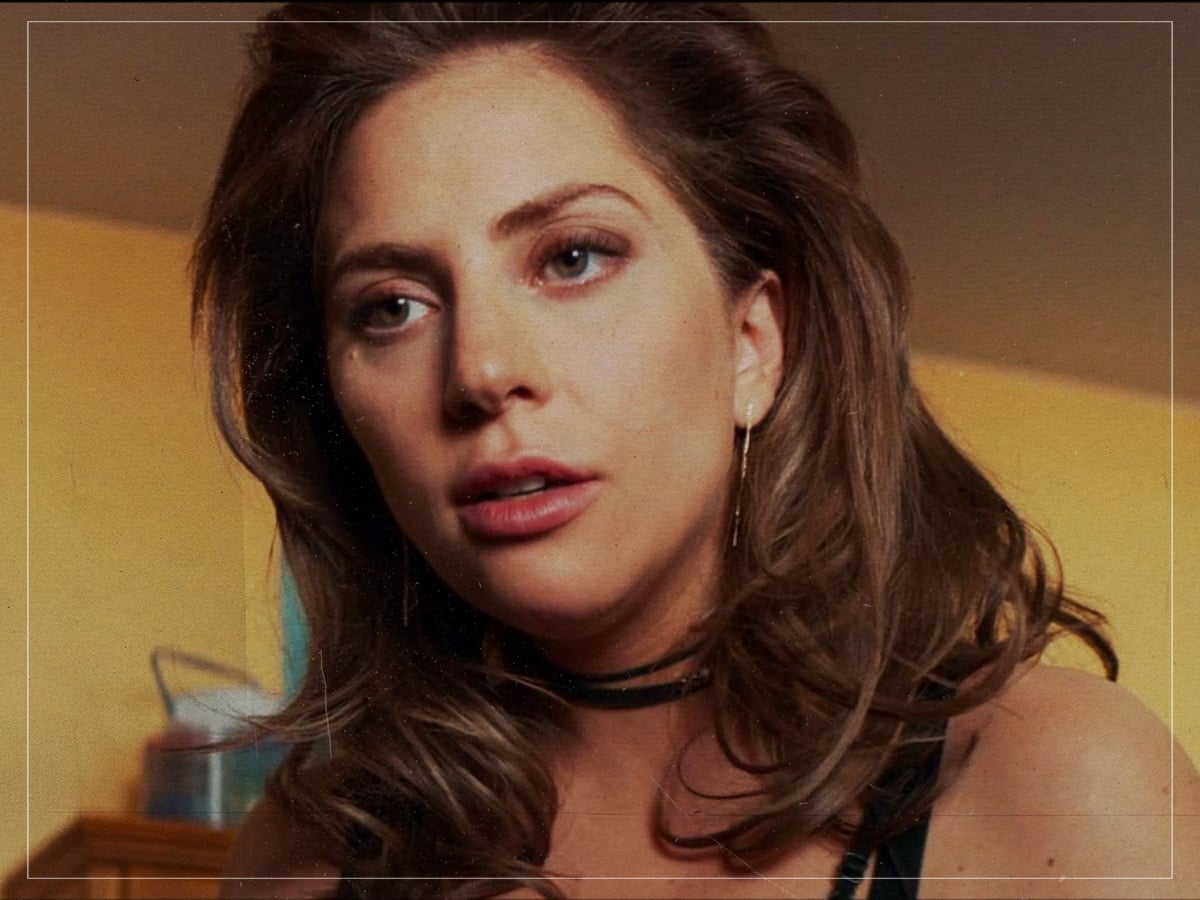
There are countless examples of musicians who have tried and spectacularly failed to be actors, such as Vanilla Ice, Britney Spears, Harry Styles and Ed Sheeran, and Lady Gaga had only been on American Horror Story before she was cast in A Star is Born, which saddled her with the responsibility of playing a lead character who had previously been portrayed by legends like Janet Gaynor, Judy Garland, and Barbra Streisand.
That so much of the character of Ali was based on Gaga could have made A Star is Born feel like a ridiculous ego trip, but her soulful performance was a true revelation that created an instant modern classic that stands as the best version of the story yet, leading her to a legitimate acting career, with subsequent roles in House of Gucci and the much-maligned Joker: Folie à Deux.