
Credit: Far Out / Columbia Pictures
Thu 3 September 2026 19:45, UK
For those of us looking up at the big silver screen, it can be easy to think that those who adorn the glittering example of Hollywood’s finest are cool, confident and charismatic in every walk of life. Of course, that is far from the truth.
Like everybody else, actors, directors and everybody else involved in getting a movie up on the big screen are just as riddled with feelings of inadequacy as anybody else. They too feel like small and insignificant specks in the world when they first approach a new project or an established company. Just like the first day of school, the first day on is a mess of jangled nerves, shrinking egos and worried faces.
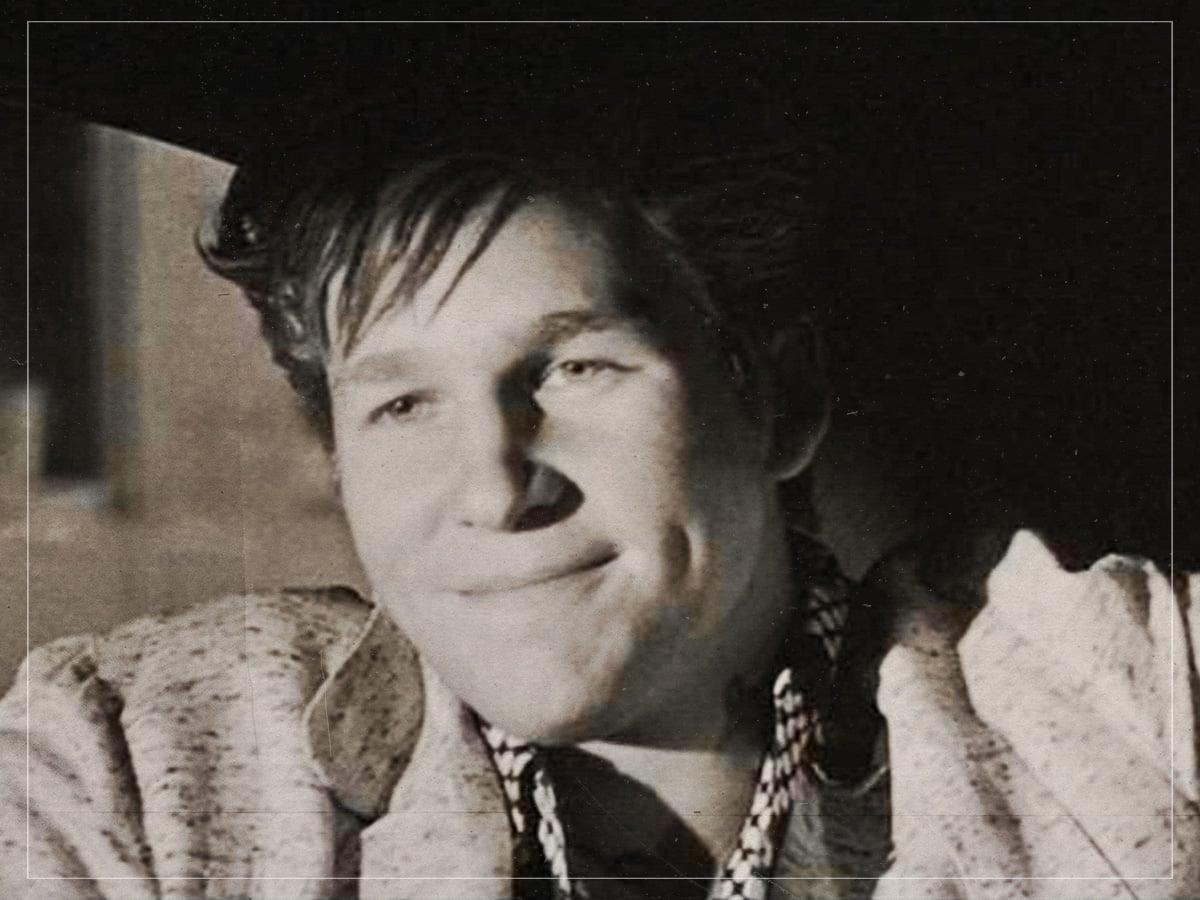
That feeling doesn’t reside only in the more wilting members of the Hollywood glitterati, either. Jeff Bridges, who most would describe as, at the very least, a laidback individual, was left paralysed by fear when he first took on a role in the big leagues. Speaking with Psychotronic Cinema about working with Michael Cimino, Bridges revealed how frightfully nervous he was starting out as a fledgling actor.
“In 1973, Mike Cimino cast me as Lightfoot in the first movie he directed – Thunderbolt and Lightfoot. I was just starting out, just a kid. I remember being up in Montana, wondering why he had picked me,” revealed the now veteran actor. It’s a feeling most of us can align with. Getting a great opportunity is one thing, but feeling like you deserve is another altogether.
Bridges struggled to get to grips with even the gentle notion that he was good enough for the part: “I didn’t feel anything like the character I had been hired to play. I felt inadequate, undeserving, confused. The day before shooting began, I confessed this all to Mike.”
Taking the brave move to be honest and open with his boss, Bridges allowed Cimino to really show his class. “This was Mike’s first movie, one he had written as well. He’d been given this opportunity by Clint Eastwood, the movie’s producer and star. I felt sorry for Mike,” Bridges continued. “This was a big break for him, and here he was, the day before his movie was to start shooting, and this frightened young actor who had a major role in it was telling him he didn’t know if he could do it.”
But Cimino was clearly more advanced in his handling of such a situation than Bridges had thought, and offered up a genuinely brilliant analogy to calm matters. “After not too long a pause, Mike looked at me and said, ‘You know that game, Tag?’ ‘Yeah,’ I said. ‘Well… You’re it,’ Mike told me. He went on to say that this guy, Lightfoot, was no one other than me, that I couldn’t make a mistake, or a false move, even if I wanted to.”
Further reading: Cutting Room Floor
The idea of playing Tag with yourself and just affirming that you are, in fact, “it” might be a simple idea, but it also has cut-through. So often, actors can struggle to compound their own feelings and allow the role to envelop them. For Bridges, the basic premise of refusing to believe you were anything but the character in question didn’t just see him through his first movie but affirmed his career.
He confessed, “I’ve never forgotten that bit of direction that that young director gave me on his first movie, that gift of confidence. I’ll often bring it to mind when that feeling of inadequateness, that feeling of not deserving what I’ve been given, comes to me. I’ll remember to enjoy the game, this game of ‘Tag.’”
Bridges clearly used this idea when working throughout his career. In his roles, there are few actors who have simply become their characters more easily than Bridges. One need only look at his defining role in The Big Lebowski for proof of that.
So, if you ever find yourself struggling to ignore the feeling of being an imposter, perhaps take a little bit of advice from ‘The Dude’ himself and simply play Tag with yourself.
