
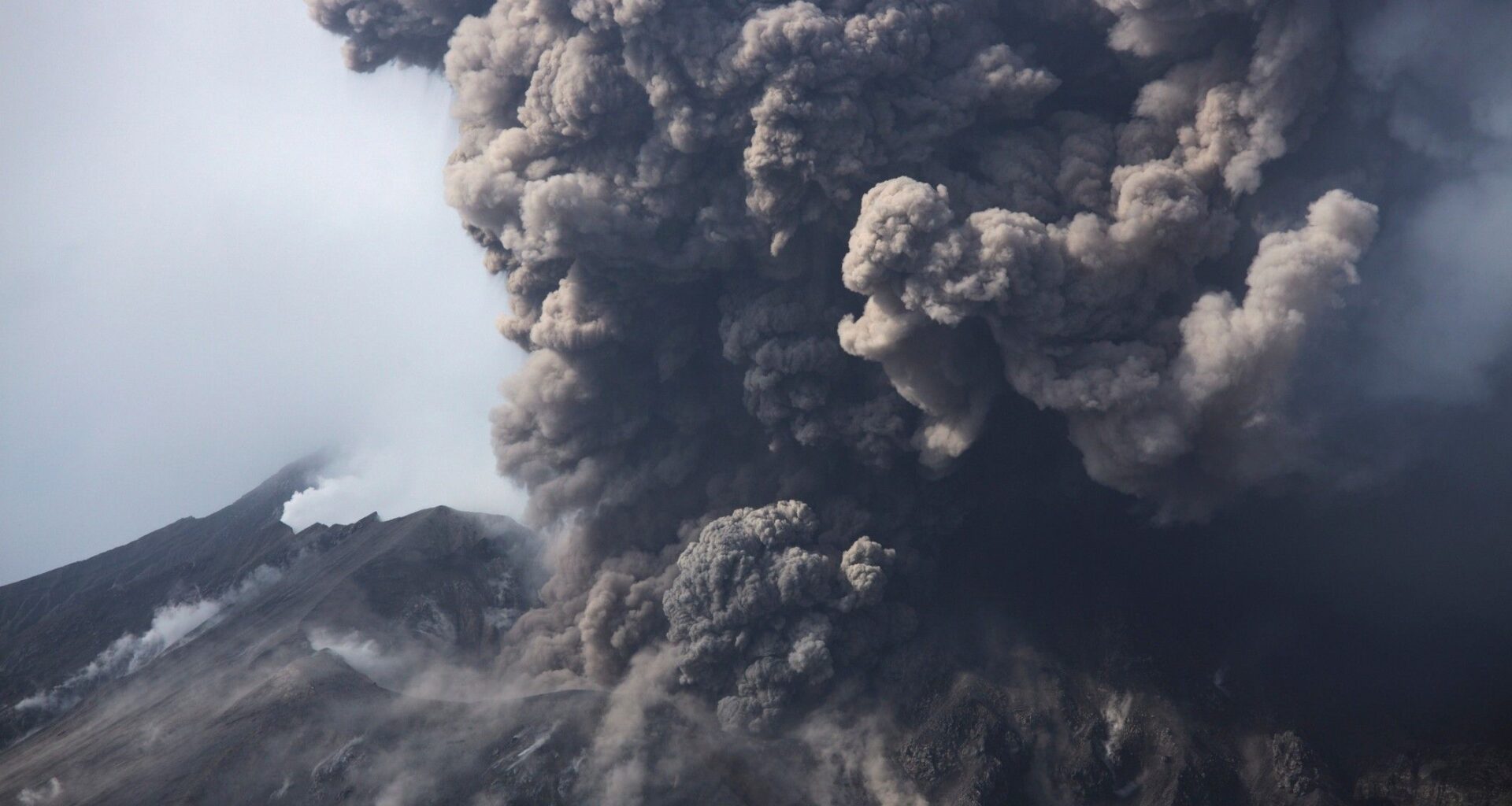
Scientists have identified an ancient volcano on England’s east coast that is so eroded, it took researchers three decades to piece together its enormous size and explosive past. What remains of the caldera system is located beneath the English counties of Norfolk and Lincolnshire.
However, while the volcano undoubtedly produced at least one huge-scale eruption, some experts don’t think there is enough evidence for the structure to be called a supervolcano.
Latest Videos FromLive Science
You may like
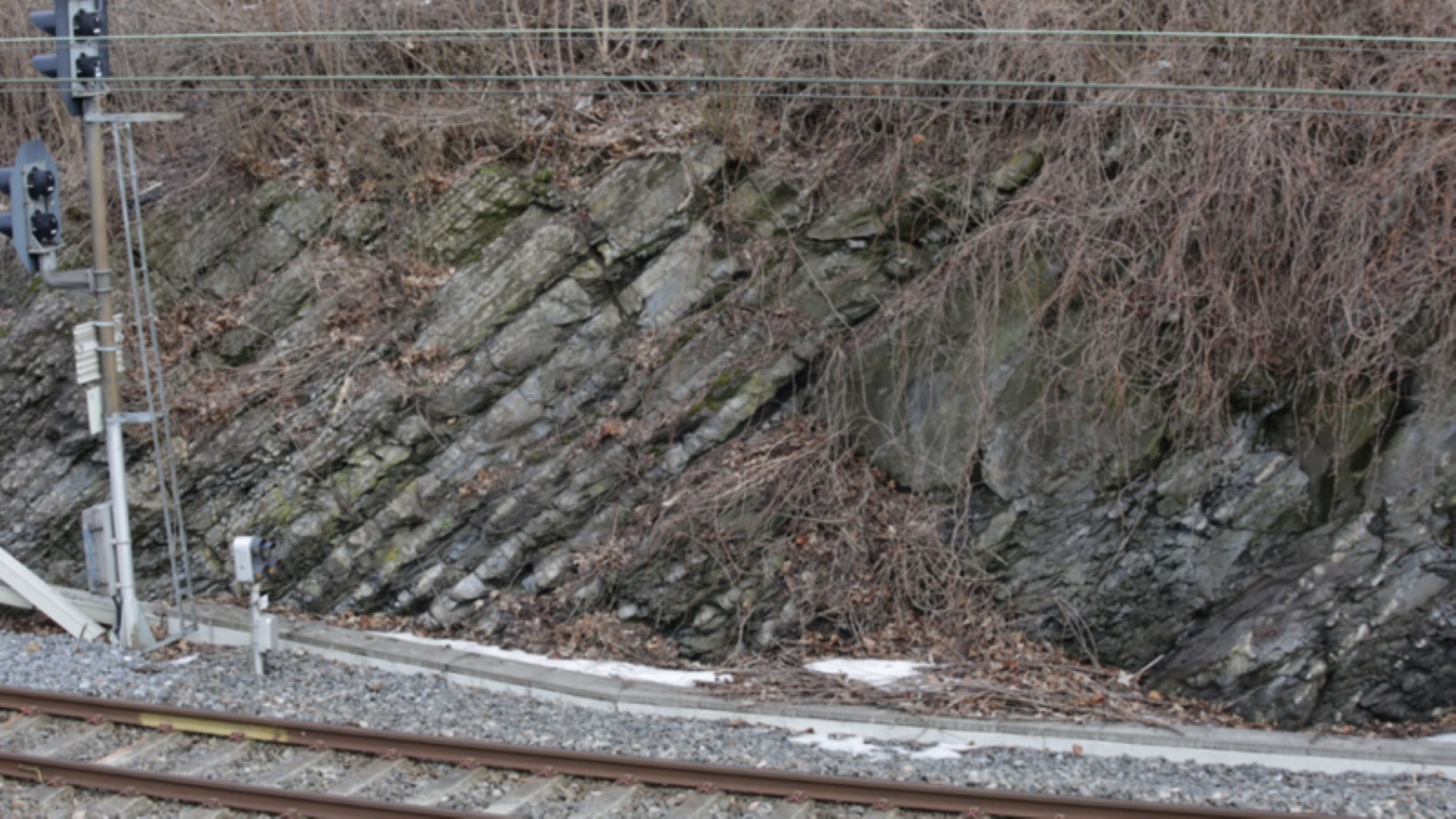
The Kinnekulle tephra is visible next to train track north of Oslo in Norway. Dipping strata of the Arnestad Formation (Late Ordovician) contain thin beds of gray-green altered volcanic ash.
(Image credit: © Tim Pharaoh)
What to read next
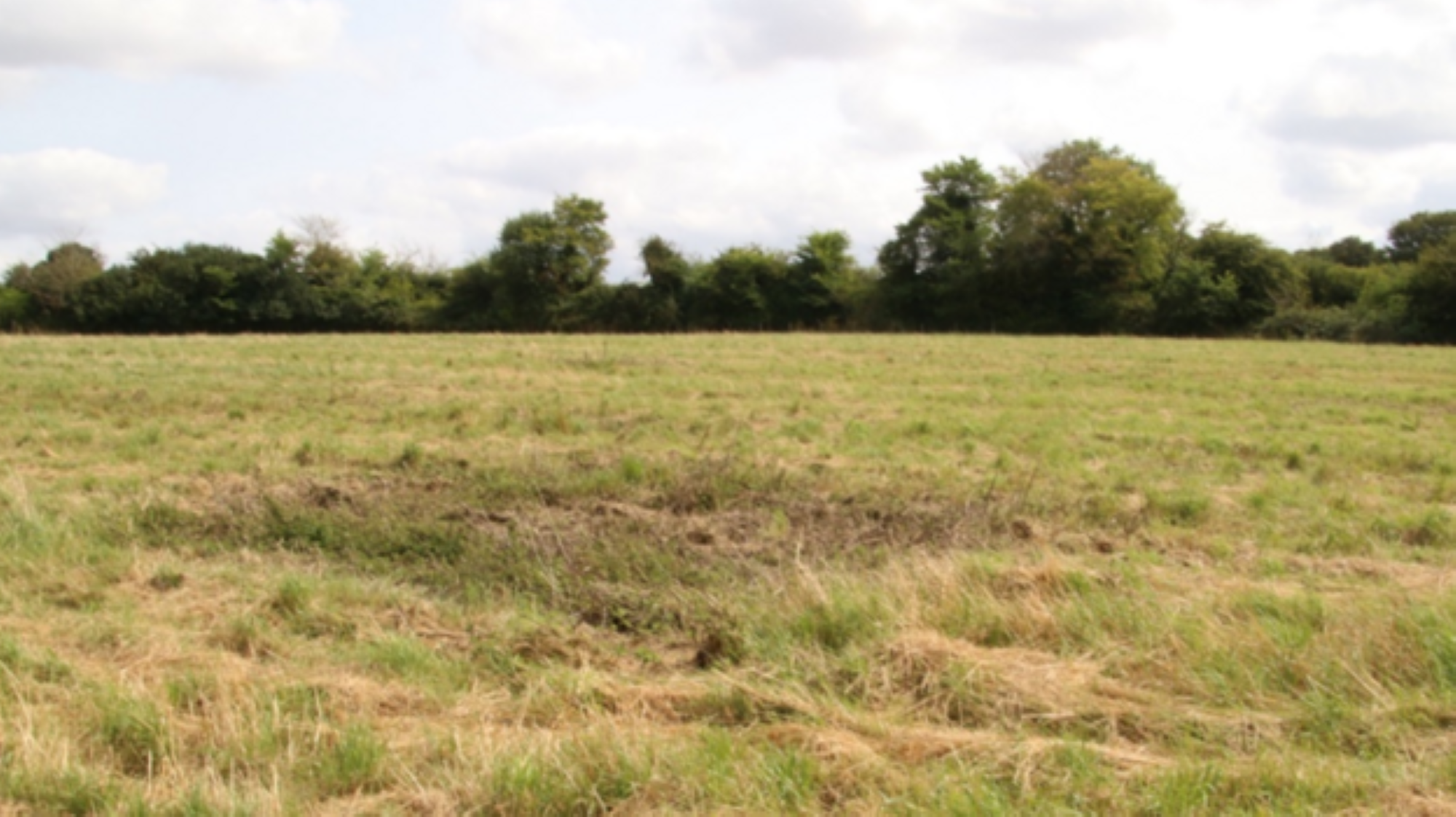
The location of one of the borehole samples studied, at North Creake in Norfolk.
(Image credit: © Tim Pharaoh)
Pharaoh, T. C., Rushton, J., Condon, D., Chenery, S., Horstwood, M., Sahy, D., Thomas, C., Hamilton, E., Gowing, C. J., Busby, J., Haslam, R., & Torsvik, T. H. (2026). The Wash Igneous Complex of eastern England: A candidate Avalonian source for Sandbian tephra in Baltoscandia and implications for closure of the Tornquist Sea. Geological Society of America Bulletin. https://doi.org/10.1130/b38831.1