
Credit: Far Out / YouTube Still
Sat 5 September 2026 15:00, UK
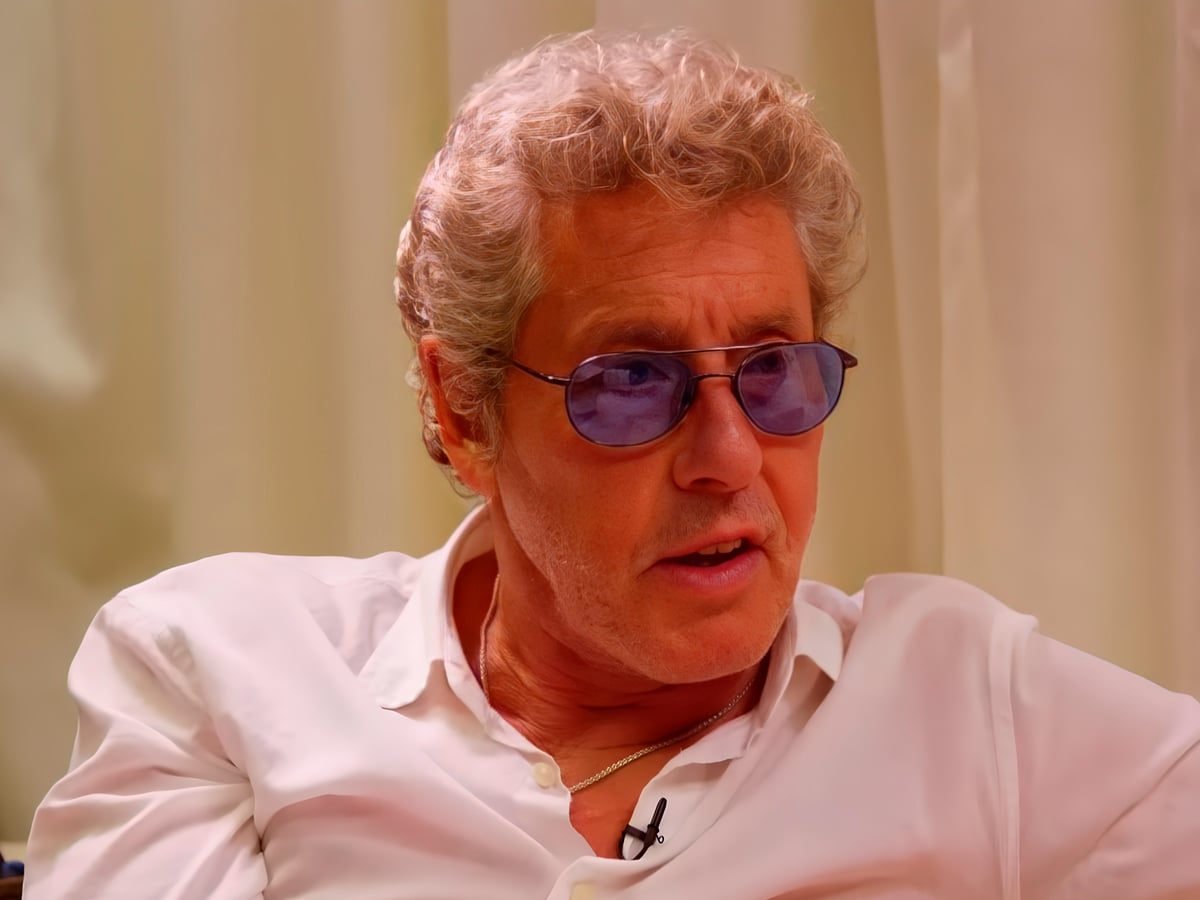
Roger Daltrey has always been happy to be Pete Townshend’s emotional translator in The Who.
There are so many opportunities where he could have tried writing his own tunes, but when you have someone in the band with as unique a vision as Townshend does, it’s sometimes better to just leave them to it while you play the best songs that you know how. But for all of the great pop songs that Daltrey knew how to sing, sometimes the biggest trends of the day tend to fade away for good reason.
There are far too many moments where the band have gone in and out of fashion, but there was never a moment where they were treated like pariahs of the industry. If anything, the punk world almost gave them permission to become one of the biggest names in rock because they refused to rest on their laurels and stood up for what they believed in at all times. Townshend stayed true to what he believed, and Daltrey was the same way when it came to choosing what songs he needed to sing.
But whereas some bands were relying on the aesthetic of the times, Daltrey was willing to put in the work to turn himself into a vocal athlete in many ways. No one else could have imagined singing that piercing high note at the end of ‘Won’t Get Fooled Again’, and even ‘Love Reign O’er Me’ takes an Olympian level of breath support to be able to sing, but Daltrey could see right through some of the superficial sides of his rivals as well.
Music was never a competition for him, but he did know that some of the biggest stars that he hung out with weren’t at the top of the mountain for a good reason. Sure, there were people who could match pretty much everything that the band did and even surpass them, like The Beatles and Jimi Hendrix, but the Summer of Love bands weren’t always that interesting to Daltrey all that often.
The spiritual mentality of living together in peace is a nice thought, but when you look at the way that Daltrey approaches his music, he wasn’t on board with that mentality all the time. He was willing to talk about his anger on tunes like ‘Behind Blue Eyes’, but the idea of everyone wearing flowers in their hair and claiming that everything was going to be alright is miles away from what he had in mind for rock.
He preferred to have some more substance behind his tunes, and hearing every other psychedelic band didn’t really sit well with him, saying, “That time, though, psychedelia, it was a bit too spongy for me. I found it pretentious, and I didn’t like it. I couldn’t wait to get back to a good bit of Otis Redding. We did get into it in some ways, but the difference between The Who and all these other bands getting into psychedelia was that, though we were all into the anti-war movement, every time we went on stage we were showing them what war was really like!”
Further reading: From The Vault
Then again, you’d expect nothing less from a band that got approval from every other hard rock band. Live At Leeds was the sound of a band at war with each other, and while they could leave all of their loud moments onstage from time to time, all of them were at least willing to go the extra mile to level every stage to the ground.
So while everyone else was looking to talk about peace, love and understanding, Daltrey had a bit more in mind when he was working. He knew that there needed to be some real heart behind the music, and it didn’t take him long to start reminding people of the raucousness that all good rock and roll needs to have if the genre is going to survive for generations to come.
