
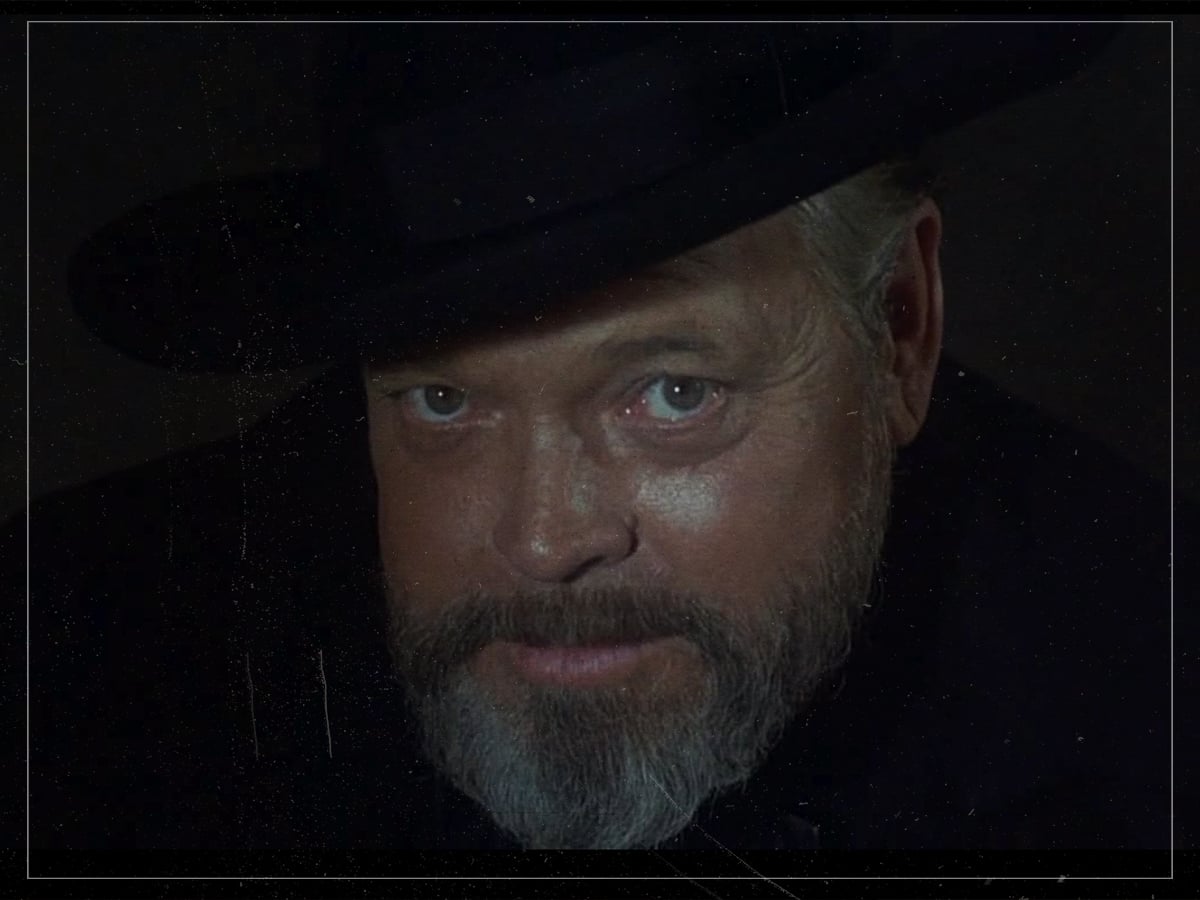
Credit: Far Out / Planfilm / Specialty Films
Sat 5 September 2026 19:36, UK
It has been said many times over the years that Orson Welles appeared to be a man whose career only makes sense when looked at in reverse. He arrived fully formed in the blaze of his greatest work before devolving into a confounding career, mired in controversy, complication and conflict.
At just 25-years old, Welles made his acting and directorial debut in 1941 with Citizen Kane, an unimpeachable masterpiece and audacious feat in movie making that has never been equalled or improved upon. How do you follow something as faultless as that? Well, you can’t, really. You wouldn’t expect anybody to begin their cinematic career with their most perfect piece of work, but those who remembered his earlier revolutionary radio production might have been less surprised at his deft skill.
In fact, his 1938 radio-drama adaptation of the HG Wells classic The War of the Worlds was so shockingly real that it was said to have had listeners running terrified from their homes through fear of a real alien invasion. However, after firmly establishing himself as one of the premier auteurs working in Hollywood in the ’40s and ’50s, his reputation slipped from where it should have been, and the pinnacle of his earliest achievements seemed to be only as well-known as his shambolic later appearances in hack advertising spots.
Most widely remembered were his drunken dithering through take after take of an advert for Paul Masson champagne from the late 1970s, and his evident disdain for the scripts in the campaigns for tinned peas he recorded for Findus earlier in the decade (later parodied, in all places, in an episode of Pinky and the Brain). Even through all the calamitous and combative takes, though, you can hear why any advertising executive would want Welles on board for the projects: It’s all in that voice.
So distinctive, resounding, other-worldly and authoritative, it’s a voice that you can’t fail to fall in love with, but the man behind it was increasingly losing his sense of authority and distinction. Leaving countless projects across film, stage and television incomplete, even the projects that he did complete were no less mystifying, like when he lent his voice to Transformers: The Movie in 1986, playing the part of Unicron, but maybe most mystifying of all was another project he gave his voice to around the same time.
Anybody who placed the needle down on the debut album Battle Hymns by the epic-metal band, and fantasy fanatics, Manowar, might not have expected to be greeted by the booming narration of Orson Welles, but that’s exactly what they got. His distinctively dulcet tones, with diction and delivery refined through countless hours spent performing Shakespeare at the highest level, drift in between the gruesome theatrical verses of ‘Dark Avenger’.
His delivery even lends gravity and pathos to the absurd lines that he’s given to read: “Let you not pass, abandon / Return to the world from whence you came and seek payment / not only for thine own anguish but vindicate the souls of the unavenged / And they placed in his hands a sword made for him called vengeance, forged in brimstone, and tempered by the woeful tears of the unavenged”.
Further reading: From The Vault
He’s practically the perfect pick for the job. This blend of high camp, glam metal and theatricality more than brings to mind the cross between music, narration and sci-fi of Jeff Wayne’s Musical Version of The War of the Worlds album (with criminally featured narration from Richard Burton, not Welles). So perfect, in fact, that when Manowar needed narration again on a song for ‘Defender’, from their fifth album, Fighting the World, they knew exactly who they wanted to read the lines.
Though Welles had passed away in the intervening five years, Manowar dug back through their archives of his earlier Battle Hymns recordings and pieced together a new narrative from those old takes. So, even if people maintain that Welles’ career really was playing in reverse, there was a fitting sense of circular finality in his returning to voice-over work and narration right at the end of his life, having made his start in similar roles so many years before.
