
 Defence spending has created vulnerability for Burnhampublished at 14:12 BST
14:12 BST
 Harry Farley
Reporting from the House of Commons
I’ve just come from the regular briefing the prime minister’s team does with reporters after PMQs. It’s our opportunity to press for further details, or ask for clarifications, on what was said in the Commons.
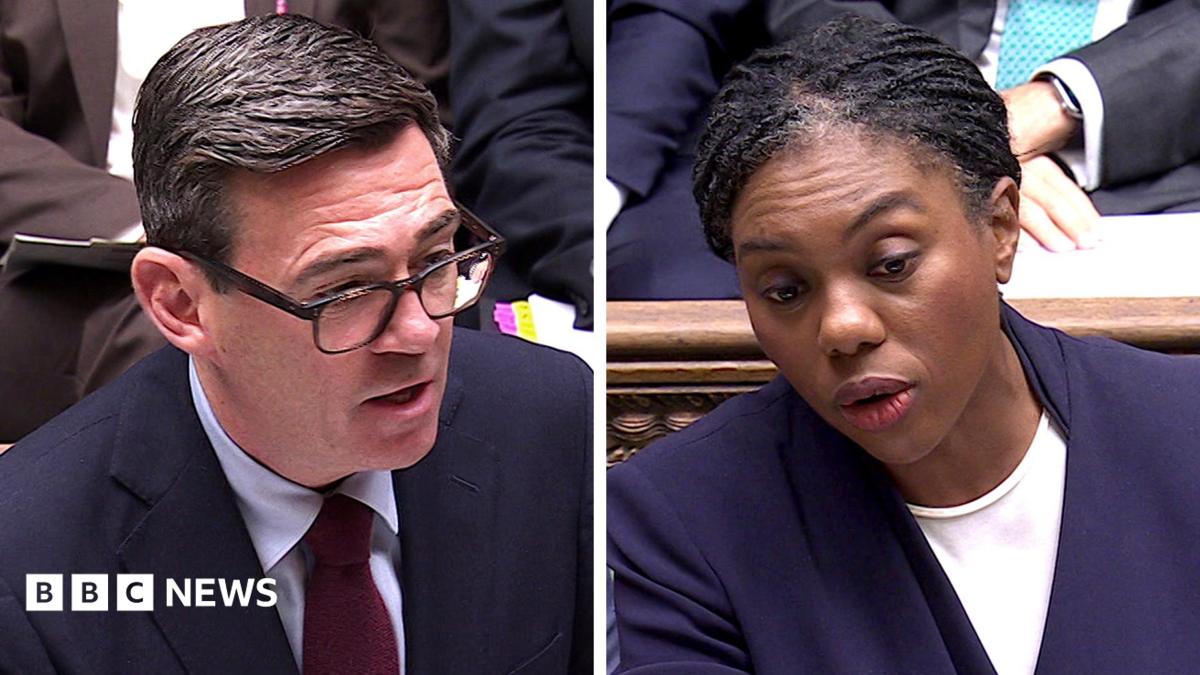
The immediate focus was on Andy Burnham’s line that supporting national security “can’t come at the expense of social security”.
His press team were at pains to stress his previous commitment that “national security is the most important duty of any government”.
On the discussion in PMQs about welfare, the prime minister’s press secretary stressed Burnham has been “consistent about getting the welfare bill down”. But they said that didn’t mean “crude cuts” that could “put people into crisis” by making them homeless and so creating higher costs elsewhere in the system to support them.
When John Healey – now the chancellor – quit as defence secretary under Keir Starmer, he specifically cited the immediate risks facing Britain and the urgent need to spend 3% of GDP on defence by 2030.
But Burnham is not yet committing to reaching that shorter term target, only saying the UK will reach 3.5% by 2035 – a date seen as too late by many military experts to meet the threats posed by Russia.
Any decision over increasing defence spending has been deferred to next year’s spending review.
But that has created a political vulnerability for Labour here and now.
You can expect the Conservatives to highlight that vulnerability over and over again in the weeks building up to the Budget.