
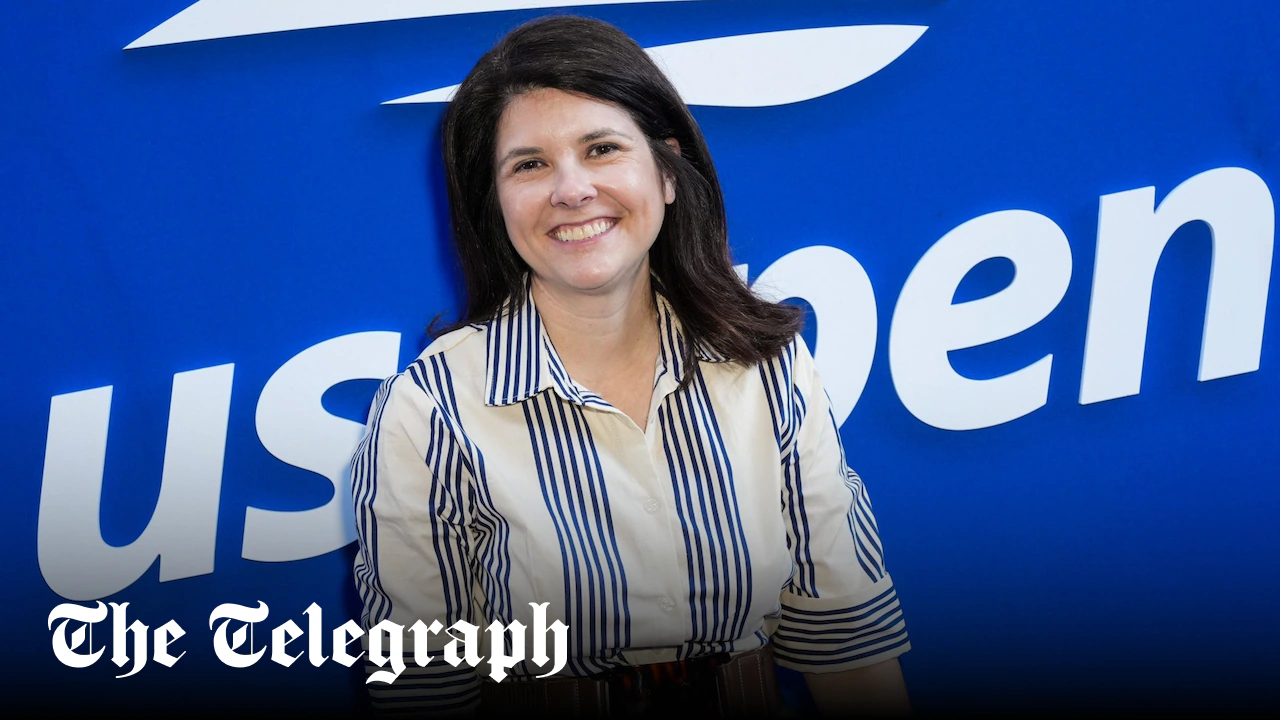
Camillo is understood to regard the American market as the key to reversing the WTA’s financial decline. But while this year’s move from Saudi Arabia to California resolves human-rights concerns – and is certain to draw far bigger crowds – November’s Finals event at Indian Wells will need to be largely bankrolled by the WTA itself.
Another challenge for the WTA will be the end of its income from CVC, the private equity firm. In 2023, WTA sold 20 per cent of its commercial operations to CVC – which previously held interests in Formula One and rugby’s Six Nations Championship – in exchange for $150m spread over five years.
But 2027 will be the final year of that annual $30m income. And while the CVC cash has kept the WTA solvent, it has not brought the organisation lasting stability.
Investing in equal pay
Fifty-three years after Billie Jean King founded the WTA Tour, market forces continue to value men’s tennis much more highly than women’s. The four majors are the exception, paying both sexes equally. But other combined events such as Miami and Madrid insist that the ATP’s product is so much more valuable that they pay female players only about 40 per cent as much as their male counterparts.
In 2023, Telegraph Sport revealed that the WTA was investing £25m of its own money in making up the difference. This situation has not changed significantly over the past three years, although there may come a point at which financial imperatives make it difficult for the WTA to sustain its heavy investment in prize money. Already, this year, the fund for the WTA Finals is expected to be about a third lower than it was at last year’s event in Riyadh.
One possible solution to the WTA’s present issues would be to sell another piece of the commercial operation to private equity, but any potential investor might be dubious about the likely return on its investment.
In the case of CVC, it was understood to be keen on the proposed commercial merger between the WTA and ATP, under a new combined organisation labelled “Ventures”.
But the project has foundered for various reasons. The large disparity between the financial health of the two tours meant that the WTA was being asked to accept an 80-20 split in existing assets. Beyond that, there would have been considerable start-up costs.
The WTA finds itself short of cash at a time when leading players have been pressuring the four majors to improve prize money. Both Wimbledon and the US Open responded by lifting their offering by 20 per cent this year.