
Your support helps us to tell the story
From reproductive rights to climate change to Big Tech, The Independent is on the ground when the story is developing. Whether it’s investigating the financials of Elon Musk’s pro-Trump PAC or producing our latest documentary, ‘The A Word’, which shines a light on the American women fighting for reproductive rights, we know how important it is to parse out the facts from the messaging.
At such a critical moment in US history, we need reporters on the ground. Your donation allows us to keep sending journalists to speak to both sides of the story.
The Independent is trusted by Americans across the entire political spectrum. And unlike many other quality news outlets, we choose not to lock Americans out of our reporting and analysis with paywalls. We believe quality journalism should be available to everyone, paid for by those who can afford it.
Your support makes all the difference.Read more
Tins of mackerel sold in many of the UK’s major supermarkets no longer contain what British consumers would recognise as mackerel, it has emerged, as a result of overfishing concerns.
Supplier Princes has switched to Chilean jack mackerel, which, despite sharing a similar name, is a completely different type of fish.
Jack mackerel has 100 fewer calories per 100g and roughly half as much omega-3 as true mackerel.
It is not only the nutritional side that has brought complaints – consumers have also complained of bigger bones and a metallic smell.
Both Tesco and Sainsbury’s sell Princes tinned fish, while other major supermarkets including Lidl and Waitrose have been transitioning from fresh true mackerel.
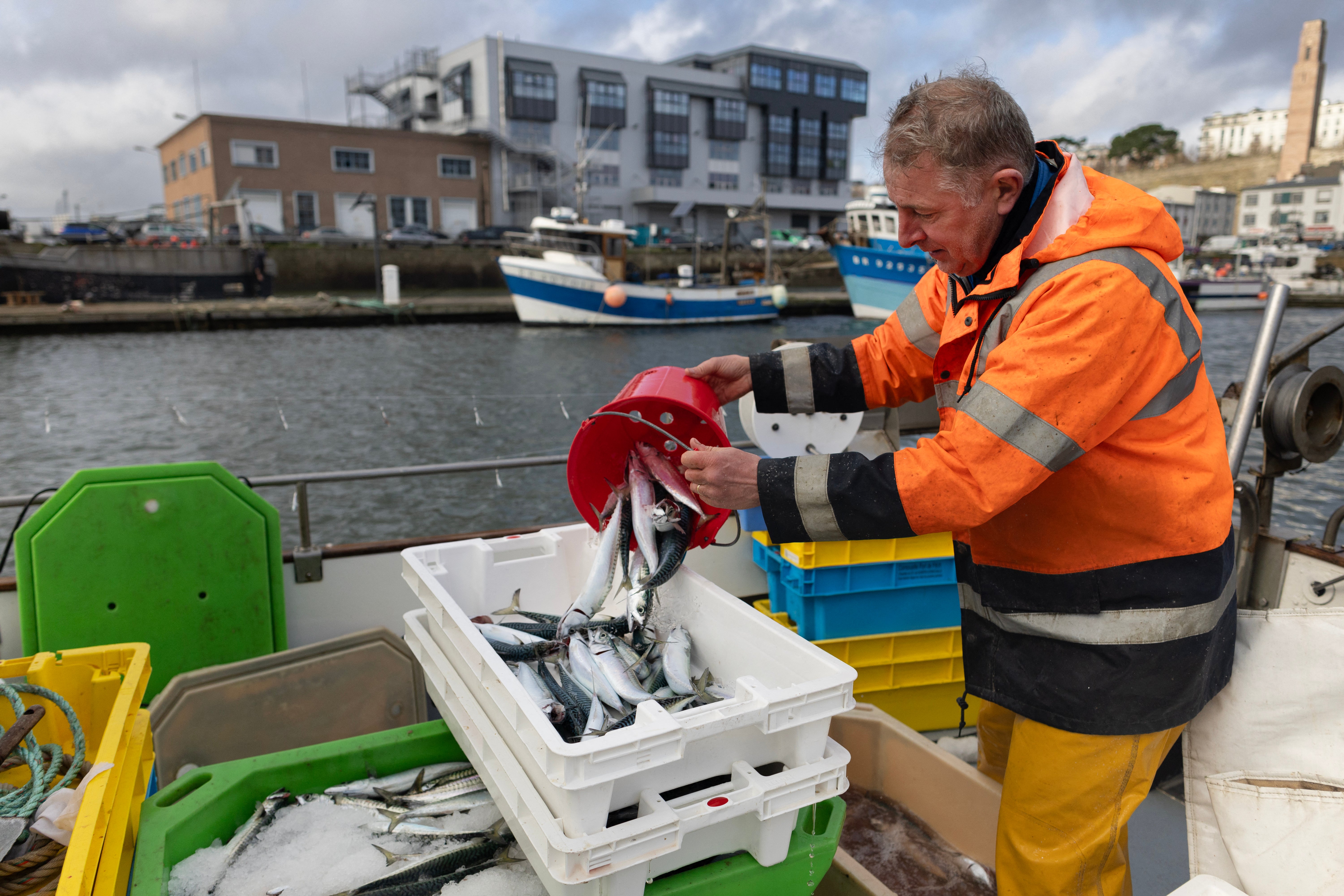 Fleeing climate warming, the Atlantic mackerel has migrated north, only to find itself trapped by overfishing against a backdrop of geopolitical disputes (AFP/Getty)
The latter cited overfishing concerns in April, and said that canned products are being phased out while existing stocks are sold.
The move follows a similar pattern across Europe, after the so-called ‘mackerel wars’ between the UK, Norway, the EU, Russia, Iceland, Greenland and the Faroe Islands.
According to the International Council for the Exploration of the Sea (Ices), mackerel stocks have fallen by three-quarters in the past decade.
Scientists warned last year that fishing for the species should be cut by more than 70 per cent in the northeast Atlantic to help prevent the collapse of fish stocks.
Since 2010, mackerel quotas have been set an average 39 per cent higher than those given in the scientific advice.
Conservationists have recently warned that while some management measures are in place in the region, enforcement remains insufficient.
Chilean jack mackerel, also called the Peruvian jack mackerel, is a species belonging to a fish family known as Carangidae, and is found in the waters of South America.
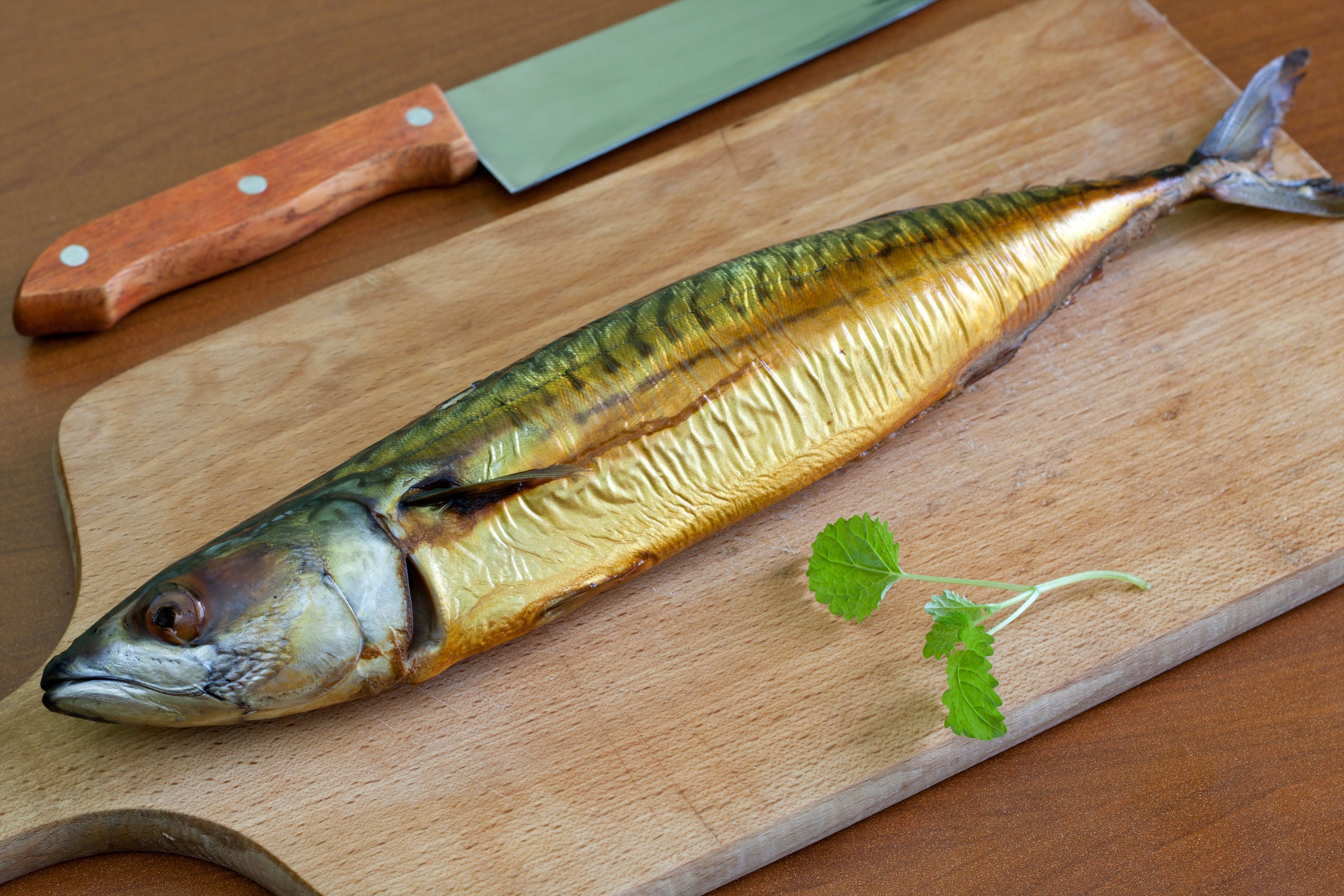 Atlantic true mackerel belongs to a different species of fish to the Chilean jack mackerel (Alamy/PA)
“It is a great pity that we will eat imported fish from a long way away instead of locally caught fish,” Stewart Harper, former managing director of North Atlantic Fishing Company, told the Financial Times.
“The consumers will be suffering because pure mackerel is a much better species to eat than jack mackerel.”
Despite industry figures reporting that wholesale Chilean jack mackerel costs roughly one-third of the price of Atlantic mackerel, several supermarkets are selling tins for a similar price.
The FT reports that some retailers such as Lidl are selling jack mackerel products under signs signposted “mackerel”, despite the difference in species.
Lidl GB said it was “committed to sourcing fish and seafood from responsibly managed fisheries”.
It added: “Before our next purchasing window for smoked mackerel, we will review if northeast Atlantic mackerel continues to comply with our sourcing policies and scientific advice.”
Sue Davies, Which? head of food policy, said: “Tinned fish is an affordable and convenient way for households to add important nutrients to their diets and eat the recommended two portions of fish a week, one of which should be oily.
“It’s a real concern when manufacturers quietly downgrade everyday staples like these, as shoppers can end up paying the same price for a product that delivers significantly less nutritional value.
“While manufacturers face genuine supply chain pressures and sustainability challenges, they have a responsibility to shoppers to be completely upfront when they change a product’s recipe. ‘Skimpflation’ – quietly changing ingredients to cut costs – has become increasingly common, but it can feel particularly sneaky as shoppers may not realise a product has changed until they get it home and eat it.”