
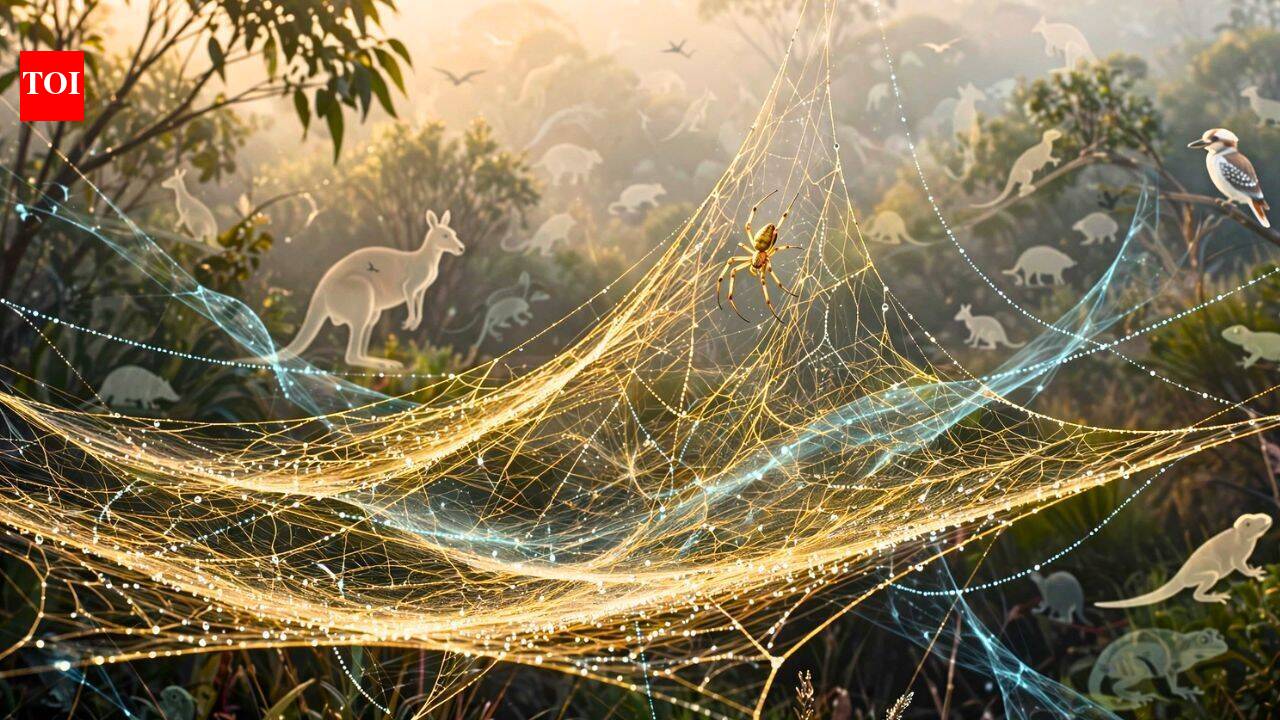
 Spider webs may hold a surprising record of the animals living nearby. A study found that genetic traces from terrestrial vertebrates can be collected directly from spider webs, turning the structures into passive filters for environmental DNA. Researchers tested 49 webs from an Australian wildlife sanctuary and Perth Zoo and detected vertebrate DNA in every sample. The sanctuary webs revealed 32 species, while those collected at the zoo contained traces from 61 vertebrate species. The study published in iScience titled ‘Spider webs capture environmental DNA from terrestrial vertebrates’ suggests that webs can capture DNA from mammals, birds, reptiles and amphibians without requiring researchers to trap or handle the animals.
How many vertebrate species were detected in the webs
Researchers collected 49 spider webs from two sites in Western Australia to test whether they could capture vertebrate environmental DNA. Twenty-three webs came from Karakamia Wildlife Sanctuary, a conservation property, while 26 came from Perth Zoo. Using three DNA metabarcoding assays, the team detected vertebrate DNA in every web tested. Across both locations, the analysis identified 85 vertebrate species after sequences that could not be assigned were excluded. The sanctuary samples contained DNA from 32 species, including mammals, birds, a reptile and an amphibian.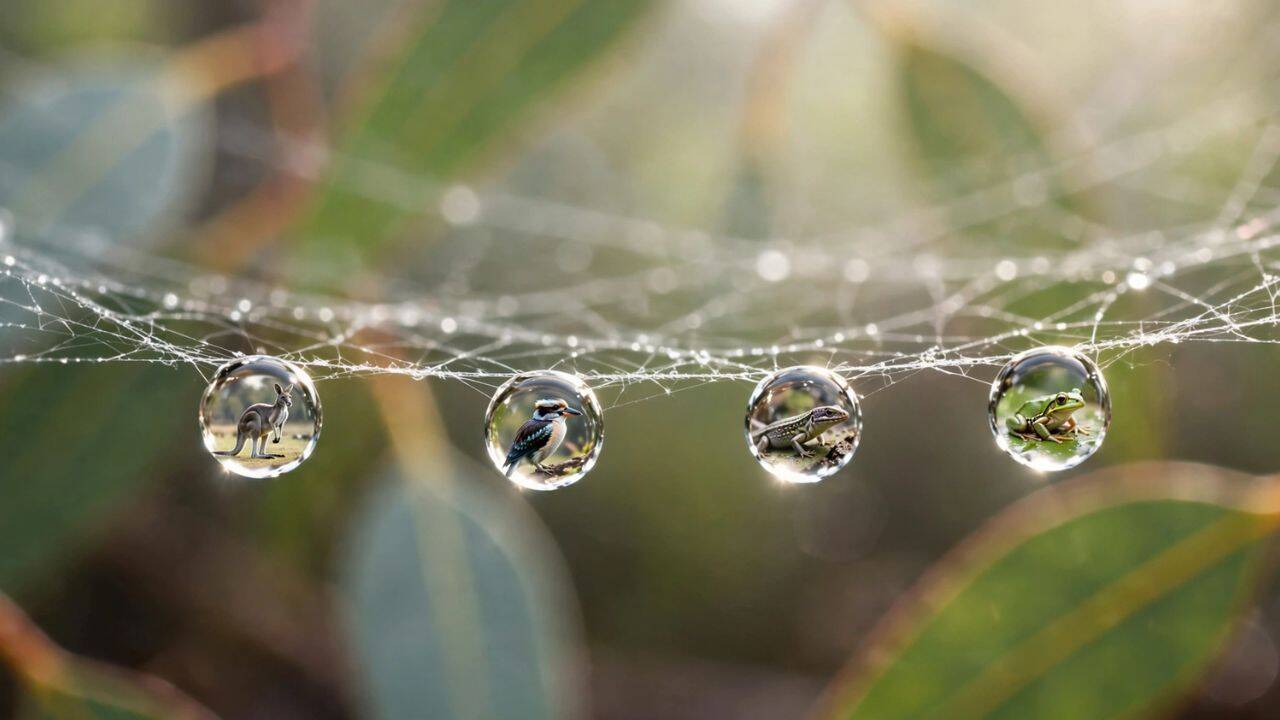
PC: AI Generated
Which species were identified from the spider web samples
The DNA found on the webs represented animals with bodies and lifestyles. At Karakamia, researchers detected 16 mammals, 14 birds, one reptile and one amphibian. Examples included brush-tailed phascogales, spotted pardalotes, motorbike frogs and snake-eyed skinks. The zoo webs revealed 33 mammals, 21 birds, five reptiles and two amphibians. These included pygmy marmosets, meerkats, Sumatran orangutans, emus, royal spoonbills, Burmese pythons and dugites. The study detected DNA from animals at the zoo, including pest species and feed animals. At Karakamia, the webs picked up red fox, house mouse and black rat DNA, along with cow, sheep and pig DNA.
How did animal size and distance affect DNA detection
The researchers found that animal size and location affected whether species appeared in the results. At Perth Zoo, higher animal biomass was linked with a greater chance of detection. The distance between a web and an enclosure also mattered. DNA was detected close to its source, with the average distance being about 22 metres. More than half of detections occurred within five metres of an enclosure, and half of all reads were found within that distance. The greatest distance recorded was 195 metres, for Asian elephants and giraffes.
Why are spider webs useful for collecting wildlife DNA
Spider webs are widespread across many environments and can be collected without interacting with the animals being studied. The researchers describe them as passive filters because webs trap particles from their surroundings. Their sticky threads can catch insects and airborne material that may contain DNA. The study detected animals that lived in trees, on the ground, during the day or at night, as well as species with fur, feathers, scales and naked skin. The researchers found that combining multiple DNA primer sets increased the number of vertebrate species detected, making metabarcoding useful for surveys.
What factors can affect DNA found on spider webs
The study also showed that spider webs cannot provide a complete picture of vertebrate communities. Reptiles were detected less often than other groups, which may reflect lower DNA shedding from hard body surfaces. Web structure, silk type, location, age, and environmental conditions may influence how much DNA becomes trapped and preserved. Web-building species create structures that may collect material in different ways. DNA can move away from its source, possibly through insects that carry vertebrate genetic material into webs.