
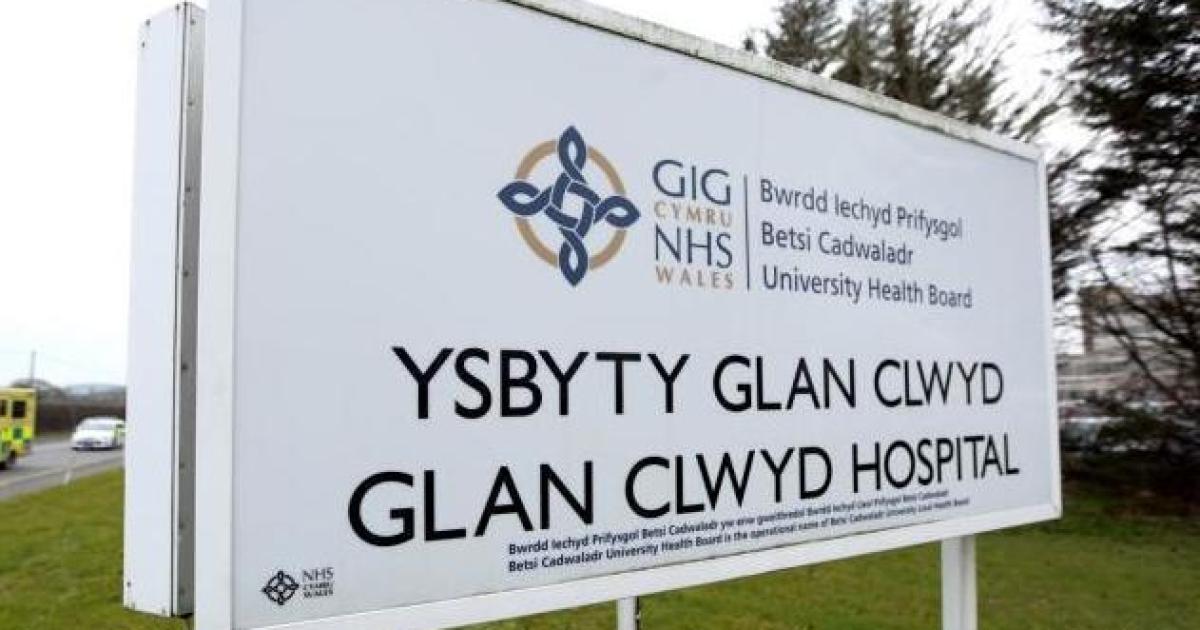
Healthcare Inspectorate Wales (HIW) has published its report today (September 10) following its three-day inspection in May, where it “found an ED operating under sustained and significant pressure,” it said.
During the inspection, HIW identified several immediate assurance concerns that required urgent action by the health board, relating to waiting area safety, paediatric emergency care, medicines and equipment management, and safeguarding oversight.
More than 660 survey responses were completed by patients, relatives and carers, which highlighted long waiting times, overcrowding and challenges relating to privacy and dignity, while also recognising the compassion and professionalism of staff.
Many patients described waits exceeding 12 hours, with some reporting waiting more than 24 hours, as well as difficulties accessing seating, food, drink, toileting support and regular updates.
One patient told HIW: “We waited 30 hours… elderly patients sitting in chairs trying to sleep with no food or drink,” while another said: “Triage was very quick… after that, things were very slow.”
Further comments to HIW included: “Corridor care is unacceptable and degrading… no dignity,” “my 82-year-old mother spent all night in a wheelchair… in absolute agony… in full view,” and “patients were lying on the floor… elderly people hardly dressed and no one with them”.
The daughter-in-law of a 79-year-old cancer patient also told HIW that he was made to wait in an ED corridor in a chair for three days, with no food or drink for the entirety of that period.
Only 23 per cent of respondents felt they had access to adequate food and drink, and 17 per cent said staff checked on them while they waited.
Staff described low confidence that concerns raised would result in meaningful action, limited confidence around the visibility and responsiveness of senior leaders, and a disconnect between governance processes and frontline experience.
Weekend staffing levels were described by one clinician as “grossly understaffed.”
HIW added: “It was particularly concerning that inspectors found longstanding risks, including overcrowding, corridor care, delays in patient flow, workforce pressures and risks to patient dignity, had become normalised despite being recognised through governance arrangements, incident reporting, staff feedback and previous scrutiny.”
Following the inspection, HIW designated the department as a service requiring significant improvement (SRSI), the highest level of escalation available under its service of concern process.
The department was previously subject to SRSI arrangements between May 2022 and August 2024.
Inspectors also found that patients with high clinical risks were not always moved promptly to monitored clinical areas.
Oversight of patients in the waiting area was deemed “not sufficiently reliable,” and patients did not always receive regular clinical monitoring, timely pain relief, food and drink, support to use the toilet, or updates during prolonged waits.
In the paediatric emergency area, inspectors identified safety concerns requiring immediate action, including occasions when the children’s area was left unattended while patients were present.
An absence of paediatric trained nurses was also noted, as well as weaknesses in security arrangements, emergency equipment not being readily available, and safeguarding documentation not being easily located.
Inspectors also identified weaknesses in medicines management and equipment safety systems.
These included equipment which expired in 2020, missing emergency apparatus, and inconsistent completion of safety checks.
Wider concerns related to safeguarding, patient records, workforce pressures and the care of vulnerable patients.
Equality and access concerns were identified, including issues relating to age, disability and other protected characteristics or vulnerabilities.
Inspectors found inconsistencies in the Welsh language Active Offer and in how patients’ language preferences were identified and recorded.
Despite these findings, inspectors recognised the commitment and professionalism of staff working in “exceptionally challenging” circumstances.
Patients consistently praised staff for being caring, compassionate and respectful, while inspectors also found strong teamwork, effective multidisciplinary working and examples of patient-centred care.
Further positive findings included effective support from discharge and wellbeing services, which helped support patient comfort, dignity and flow where possible.
The department was deemed “generally clean and well-maintained,” and staff demonstrated a good knowledge of infection prevention and control practices.
A follow-up visit on August 24 and 25 saw improvements noted in staff wellbeing and engagement, patient flow, safety huddles, paediatric governance, security, and the management of medicines and equipment.
But challenges remained in waiting-room oversight, reducing delays in gaining specialist input following medical and surgical referrals, and ensuring recent improvements can be sustained.
Alun Jones, HIW chief executive, said: “People attending emergency departments should be able to expect safe, timely and dignified care, particularly when they are at their most vulnerable.
“While we recognise the significant pressures facing urgent and emergency care services, this inspection identified serious concerns about patient safety, patient flow, leadership, governance and the effectiveness of the arrangements in place to identify, manage and reduce risks to patients and staff.
“We recognise the professionalism, compassion and commitment shown by frontline staff working in exceptionally challenging circumstances.
“However, this inspection found that previously identified improvements had not been sustained and that several longstanding concerns remained evident.
“The recurrence of these issues raises important questions about the effectiveness of the arrangements in place to identify, manage and reduce risk.
“While our follow-up visit in August found signs of progress, these improvements must now be sustained over the longer-term.”
Carol Shillabeer, Betsi Cadwaladr University Health Board’s chief executive, said: “As a health board, we apologise unreservedly to those patients who didn’t receive the care they deserve, as highlighted by HIW during their inspection of the ED in May.
“Improvement in the care of patients in urgent and emergency care is a priority for the health board, and all required actions from the inspection report are now underway within the department and elsewhere in the hospital.
“Colleagues in ED work hard under consistently high pressure and we are pleased the report acknowledges the public’s appreciation of the care they give.
“We know there are significant and long-standing systemic issues which compound the pressures in a constantly busy department and we are encouraged HIW, in their follow-up inspection, has recognised the work which has gone into supporting staff and addressing those issues.
“We are committed to assuring HIW and our public that we are serious about improving people’s experiences in our EDs by embedding progress into long-term, sustainable change.”