
The most noticeable shifts in ageing happen at two main stages: in your mid-40s and in your early 60s, and this sudden change can leave you searching for ways to improve your skin.
While surgery is an obvious way to look years younger in an instant, it can be an expensive and invasive method that many people will want to avoid.
Luckily, there are a “few things” that keep your skin looking fresh without going under the knife, according to double-board-certified facial plastic surgeon Dr Diana Ponsky, MD, FACS.
Protection comes first, the doctor explained, and daily SPF should be incorporated into everyone’s routine. It protects against both sun damage and UV rays.
Protection is key to anti-ageing, and daily SPF is one of the best ways to do this
|
GETTY
Dr Ponsky told GB News: “I always say, protect what you have. Sunscreen is your best anti-ageing product. SPF 30 or more is best.
“Don’t get sunburned, and use sunblock so you can preserve your skin for longer. I like to say, the cheapest facelift is the one you never need because you protect your skin with the use of sunblock.”
Many studies back up the benefits of wearing SPF for anti-ageing. One example is a 2013 randomised trial of 903 adults that found daily sunscreen use led to 24 per cent less skin ageing than using sunscreen only occasionally. The study tracked this over a four-and-a-half-year period.
Published in Annals of Internal Medicine, the study suggested regular broad-spectrum SPF use is an effective way to help prevent UV-related photoageing, one of the most common causes of ageing.
Skin care products, such as retinoids, are also important. These are best introduced in your late 20s and 30s, but it is not too late to start in your 40s and beyond.
And, of course, remember to drink plenty of water. Dewy, glowy skin starts from the inside out, so staying hydrated reduces the risk of dry and dull skin.
Dr Ponsky said: “I’d recommend using a retinoid at night; tretinoin, retinol, any of those. They’re topical products that you can use to improve fine lines, pigmentation, and texture. It increases cell turnover and collagen remodelling, so it really helps.
“Hydration is a big one that people usually overlook. Keeping your skin hydrated by drinking lots of fluids really helps. Nothing looks as good as hydrated skin.”
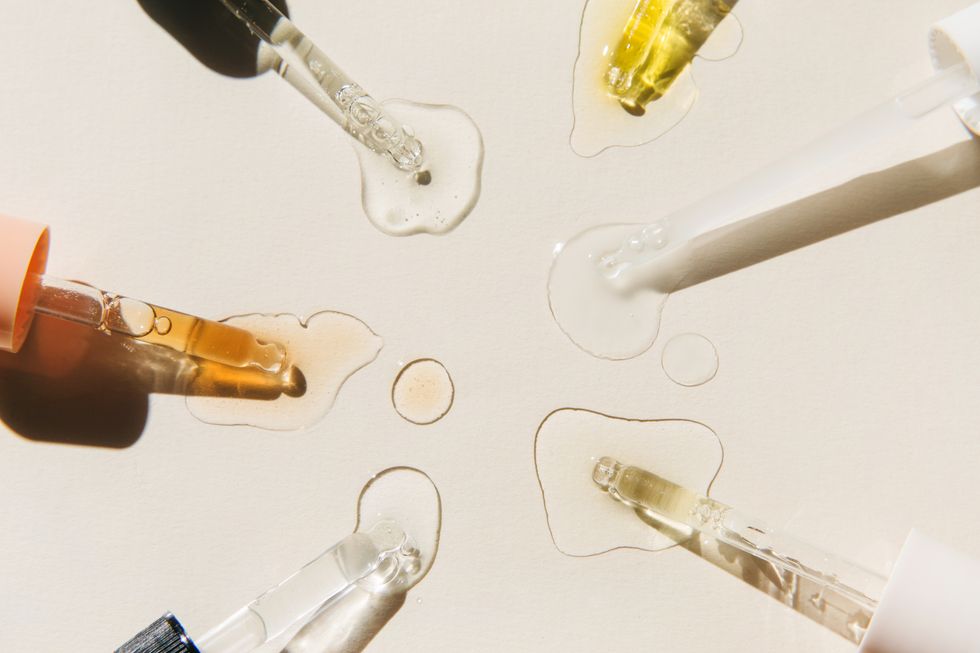
Using retinoids at night from your late 20s can improve the appearance of your skin
| GETTY
Finally, those looking for a bit of extra help can turn to non-surgical procedures. This could include Botox, fillers and laser — “these can also go a long way in reducing ageing without requiring surgery”.
Dr Ponsky added: “They’re procedures, so they do toe the line, but there’s no cutting. They can take away brown spots, wrinkles, fine lines, and all of that stuff that makes you look older.”
This comes as a skin care expert warns one area of your face is giving away your age — here’s how to slow the signs.