
Credit: Far Out / Kate Bush
Mon 14 September 2026 22:15, UK
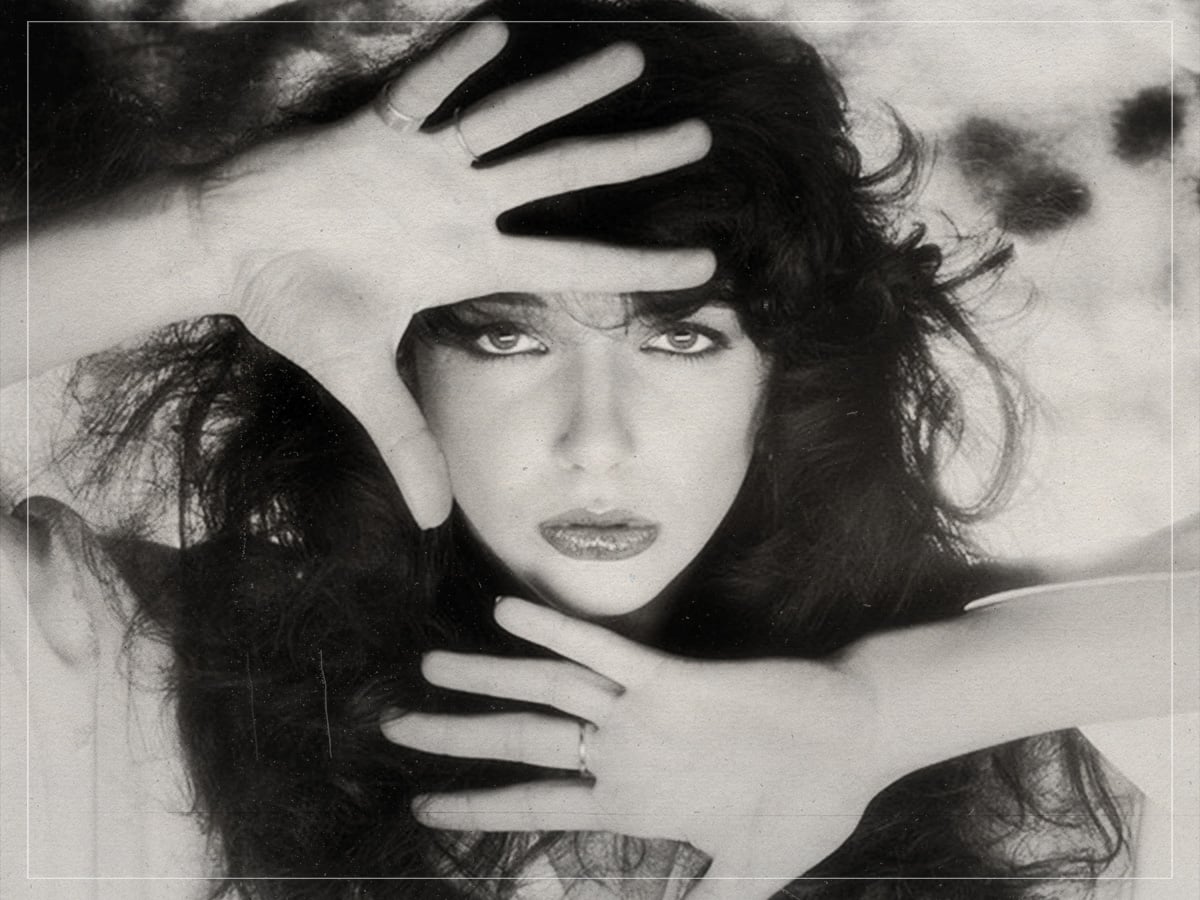
Although Kate Bush is known for being vulnerable and honest in her art, one thing that must never be misconstrued is that, beneath it all, she’s one of the strongest people in the business.
As she once said, “I’m a very strong person, and I think that’s why, actually, I find it really infuriating when I read, ‘She had a nervous breakdown’ or ‘She’s not very mentally stable, just a weak, frail little creature.’”
To her credit, there are a lot of reasons why Bush has developed a thick skin, both in her personal life and her artistic image. After all, the singer knows the perils of pain, grief and loss more than perhaps most of her contemporaries, along with the general unease that often comes with having made it in a brutal industry at such a young age, having been signed to a label at just 16 and earning her breakthrough at 19.
At the same time, though, Bush’s lasting relevance in today’s musical landscape also comes from how that resilience translates into authenticity, and also how she reflects on some of those challenging periods in her life, often utilising adversity to inform her art in absolutely hard-hitting, meaningful ways.
And yet, rather than focusing on her ambivalence towards the press and criticism from outsiders, she often instead chooses to channel uncertainty and despair into bigger and broader themes about society, including anxieties in relationships, grief, technology, connecting with others, surviving in isolation, and what it means to navigate darkness and still find some goddamn light at the end of the tunnel.
But what makes her especially compelling in today’s day and age is that she rarely stops at one traditional form of expression to explore such topics, often utilising the power of a great visual to tell a story. The music video became Bush’s area of expertise for a reason, expanding on her extensive world-building with characters and spectacles that almost always drive the point home.
However, not every venture works out well, and sometimes, Bush winds up attempting to execute something that she later forgets, even if the initial idea seemed more than worthwhile… For instance, in 1993, she released The Line, the Cross & the Curve to accompany her sixth album, The Red Shoes – directed by and starring Bush, the film features songs from the album and plays out like a longer music video, drawing on some of the same techniques in the 1983 dance film, also called The Red Shoes.
Further reading: From The Vault
In many ways, the film’s premise can be seen as an allegory for entrapment, with Bush’s character essentially being coerced into wearing a pair of ballet shoes that force her to dance, which she attempts to free herself from by fighting the villain, played by Miranda Richardson. It’s almost a sort of Black Swan-esque piece that delves into the psychology of freedom and the strain of performing, which, on paper, actually sounds pretty damn intriguing.
Bush, however, wasn’t best pleased with the final version of the film, and later even called the entire project “a load of bollocks”.
Given the fact that Bush has high expectations when it comes to her own artistic output, especially when she takes risks and steps out of her comfort zone, it’s clear, then, why The Line, the Cross & the Curve was more a blip in Bush’s career than an achievement or overarching artistic breakthrough, one that falls behind when looking at her other, more obvious masterpieces.
