
Campaigners have hit out at a ‘grotesque’ 40% pay rise for a top health boss, labelling it a ‘kick in the gut’ when patient services are struggling.
The newly appointed chief executive of the Integrated Care Board (ICB) covering Lincolnshire, Nottinghamshire and Derbyshire, Amanda Sullivan, gets a salary of £312,500, according to a financial report.
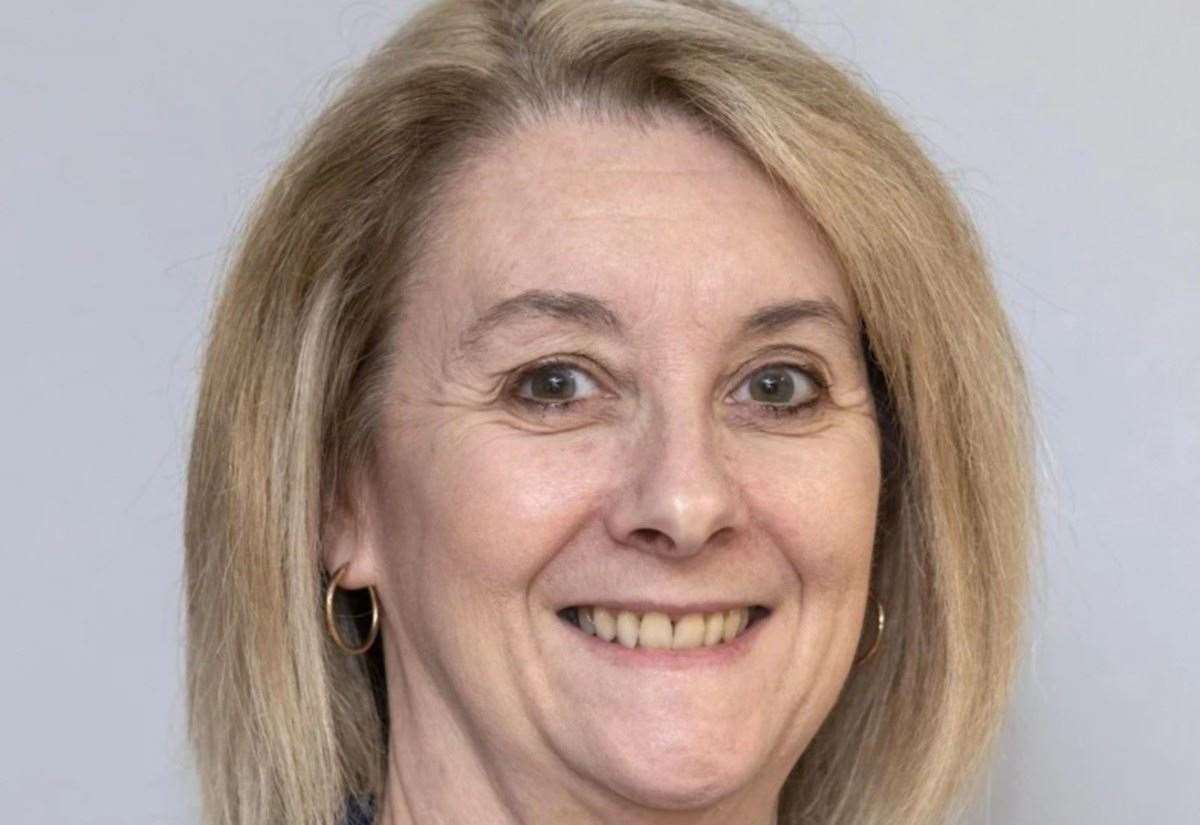
 Amanda Sullivan, chief executive of the Integrated Care Board (ICB) covering Lincolnshire, Nottinghamshire and Derbyshire. Photo: NHS
Bosses say this is the ‘midpoint’ of the pay band – with the salary shared by all three counties – but declined to say what the actual figure is.
ICB officials said this salary is justified by the fact that the board, as of last year, now covers all three counties and reflects the increased responsibilities associated with managing a bigger organisation. The ICB is responsible for commissioning health services.
The ICB report also revealed that while Dr Sullivan was given a 40.4% pay rise from her previous pay packet, the average ICB staff member received a pay rise of 4.4%.
This has angered health campaigners, with some labelling it ‘ridiculous’.
A spokesperson for Unite – which represents many NHS staff members – said: “At a time when NHS and ICB staff are either losing their jobs or having to survive on wages that have been left behind by inflation, to see managers rake in bumper salaries is a kick in the gut.
“The workers at the coal face of ICB work aren’t seeing pay rises of this nature yet their workloads are also increasing while they watch colleagues being made redundant as a result of unwarranted and unwanted restructuring.
“At a time of cuts to patient services, such management pay rises are nothing short of grotesque.”
Coun Charmaine Morgan. Photo LDRS
South Kesteven district councillor Charmaine Morgan (Independent – Grantham St Vincents), who sits on Lincolnshire County Council’s health scrutiny committee, was also critical of the chief executive’s pay.
She told the Local Democracy Reporting Service: “My view is that that salary is extraordinarily high. Whatever funds the NHS gets, surely it should be focused on frontline services and staff?”
Coun Morgan also described Ms Sullivan’s salary as ‘ridiculous’ and unfair given the 4.4% pay rise given to ICB staff on average – and the fact that some staff members’ jobs were at risk following the ICB restructure.
Coun Morgan also warned that merging the ICBs together could mean that towns such as Grantham are overlooked as resources are focused towards three big cities.
She said: “By pulling together the three ICBs, I am hugely concerned that this will undermine the focus on the areas previously covered by the individual ICBs.
“In particular, we need to ensure that the smaller rural market towns such as Grantham do not get lost when competing with the cities of Nottingham, Derby and Lincoln and other areas within the new ICB structure.”
A spokesperson for NHS ICB Lincolnshire said: “The reported 40.4% increase is not the result of a 40% annual pay award. Rather, it reflects the difference in remuneration between two roles of materially different scale and responsibility.”
Ms Sullivan is a former staff nurse and midwife who worked in a number of senior positions, including at Newark and Sherwood Clinical Commissioning Group.
Before this current role she was Chief Executive of Nottingham and Nottinghamshire ICB.
The ICB spokesperson stressed that the change in salary was because ‘senior leaders’ are now responsible for healthcare across three counties rather than one.
The spokesperson added: “During the same period, NHS very senior managers received a general pay uplift of 3.25%.
“The amalgamation of three senior management teams into one has resulted in a significant overall reduction in costs through efficiencies of scale and reducing the overall number of senior managers.”
Such savings were not quantified or explained further but a target for ICB mergers to cut costs by 50% was previously floated.
The spokesperson explained that ‘remuneration’ for NHS ICB chief executives is determined by NHS England and the Government and is based on the ‘population served, the scale, complexity and accountability’ of the role.
The spokesperson added: “The Derbyshire, Lincolnshire and Nottinghamshire cluster serves a combined population of more than three million people and is one of the largest health and care systems in England.
“The cluster chief executive role therefore differs significantly from that of a chief executive leading a single ICB.
“It involves leadership across three statutory NHS organisations, responsibility for commissioning and planning services across a much larger population, and oversight of one of the largest system footprints in the country.
“National pay scales associated with these roles reflect those responsibilities and are consistent with the national approach used for very senior NHS leadership positions serving large populations and operating across multiple ICB areas.”
The spokesperson explained that the aim of merging the three ICBs across Lincolnshire, Nottinghamshire and Derbyshire into one structure was to improve the ‘efficiency and sustainability’ of NHS resources and would also help to ‘improve outcomes’ for patients.