
Credit: Far Out / KRLA Beat/Beat Publications, Inc
Mon 21 September 2026 22:03, UK
Some songs take years to be fully-formed and reach the stage where an artist finally accepts it has arrived at the point of completion, while others never even make it that far, but not for a lack of trying.
Inspiration is the key ingredient for getting the idea off songwriting, but there’s still no guarantee that it will guide the creation over the finishing line. More often than not, once it arrives, the work has only just begun, and unless there is a miracle at play, a track will rarely be born in an instant.
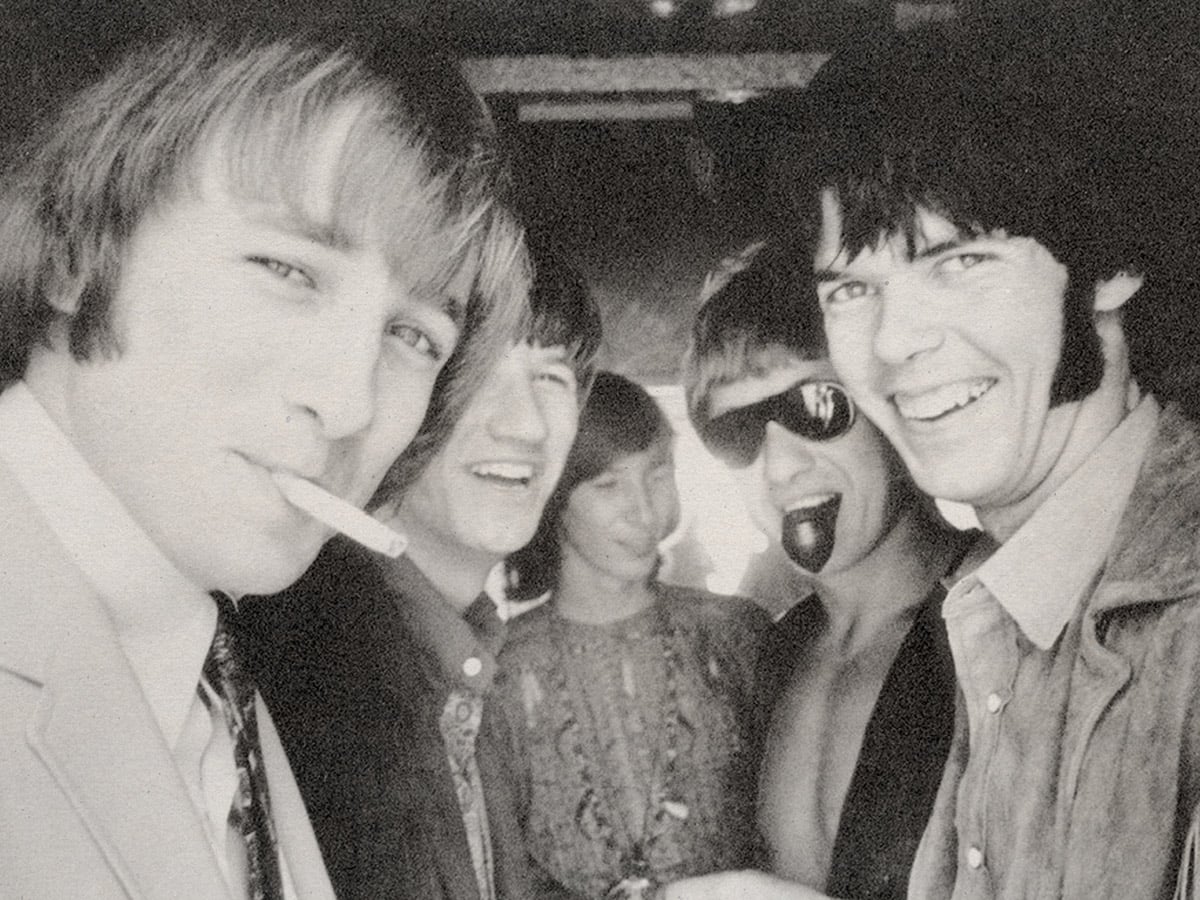
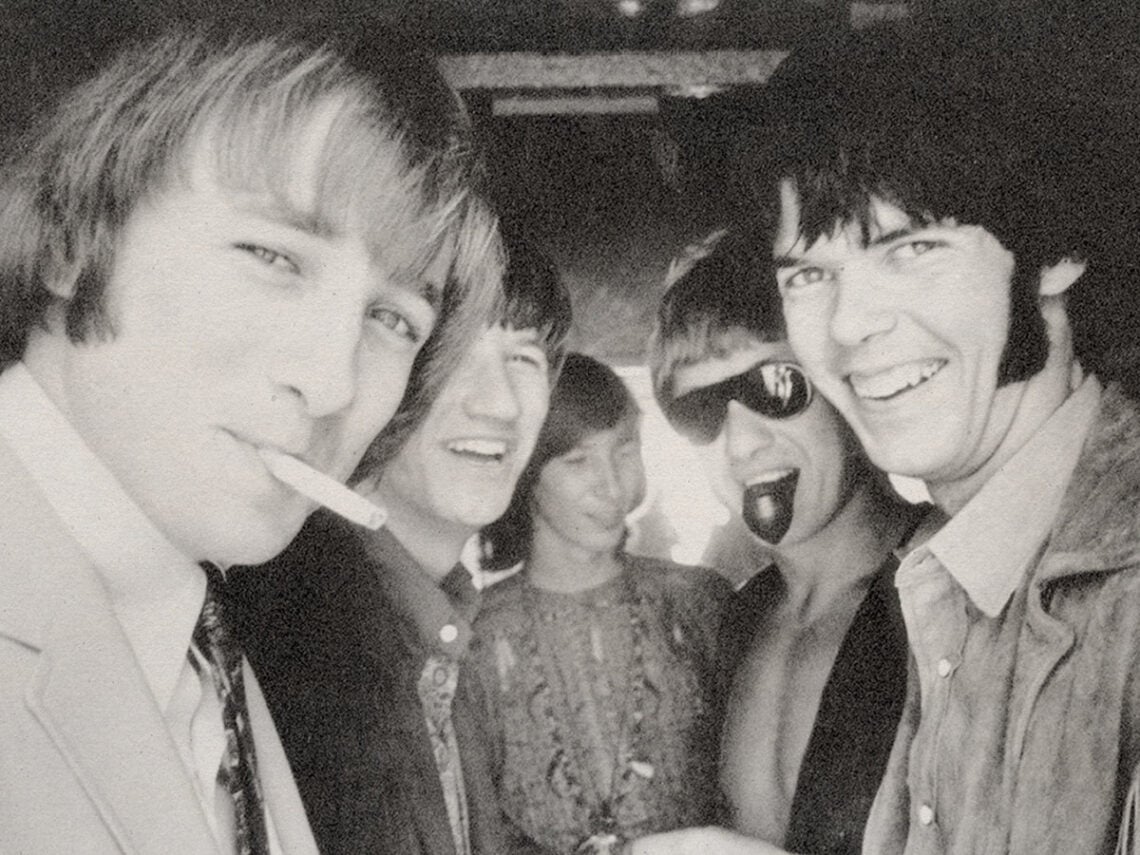
Few people know this more than Stephen Stills, who, over the course of his career, has crafted countless pieces of music which were painstaking processes. However, blood, sweat, and tears do not always equate to a hit record. In fact, his signature creation with Buffalo Springfield only took him a matter of minutes to pen. Before he’d even reached for his notepad, the nucleus for the song had already been kicking around in Stills’ mind; he just needed to tap into it.
The year was 1966, and Los Angeles was a city filled with tension as the younger generation immersed themselves in the counterculture movement, which rallied against the belief system of their elders.
At the time, he was earning his crust in the house band at Whiskey-A-Go-Go, gifting him a front-row seat for the revolution as the kids kicked back against the establishment. Disturbances between the police became a common occurrence, and Stills used the anxious spirit that filled the air as the inspiration behind ‘For What It’s Worth’.
The song was written from anecdotal experience, and Stills did so fluently from the heart, guiding it out of his consciousness with aplomb.
 Credit: Far Out / Mark Tapio Kines
In the book Neil Young: Long May You Run: The Illustrated History, Stills explained the origin of ‘For What It’s Worth’, sharing, “I had had something kicking around in my head. I wanted to write something about the kids that were on the line over in Southeast Asia that didn’t have anything to do with the device of this mission, which was unravelling before our eyes.”
Casting his mind back to the special time, Stills reflected, “Then we came down to Sunset from my place on Topanga with a guy – I can’t remember his name – and there’s a funeral for a bar, one of the favourite spots for high school and UCLA kids to go and dance and listen to music.”
The loss of this bar proved poignant for Stills, who understood the severity of what it meant to the local community, mourning the institution as if it were a friend that had died. However, rather than let the locals peacefully say goodbye, the ceremony was unceremoniously brought down by riot police.
Stills continued: “(Officials) decided to call out the official riot police because there’s three thousand kids sort of standing out in the street; there’s no looting, there’s no nothing. It’s everybody having a hang to close this bar. A whole company of black and white LAPD in full Macedonian battle array in shields and helmets and all that, and they’re lined up across the street, and I just went, ‘Whoa! Why are they doing this?’”
Although the evening was memorable for all the wrong reasons, it directly led to Stills writing ‘For What It’s Worth’ once he arrived home. He concluded: “There was no reason for it. I went back to Topanga, and that other song turned into ‘For What It’s Worth’, and it took as long to write as it took me to settle on the changes and write the lyrics down. It all came as a piece, and it took about 15 minutes.”
Within weeks of the song being written, ‘For What It’s Worth’ was released as a single while the topic of the riots was still fresh in the fans’ minds, which was crucial to it being a hit. If the label had chosen to sit on it and not strike while the iron is hot, ‘For What It’s Worth’ is unlikely to have resonated the same way. Instead, Stills was speaking for the people, and it became their first song to chart in the United States, peaking at seven, and helped them become adored across the land.
The track went on to sell over 1,000,000 copies in the US alone, and even in the UK, it has now amassed more than 600,000 units sold. More crucially, it remains poignant and one of the all-time great protest songs, which could only have been mined from real-life experience.
The transfiguration of those experiences resulted in a masterpiece that perhaps comes closest of all the counterculture anthems to truly capturing the 1960s.
