
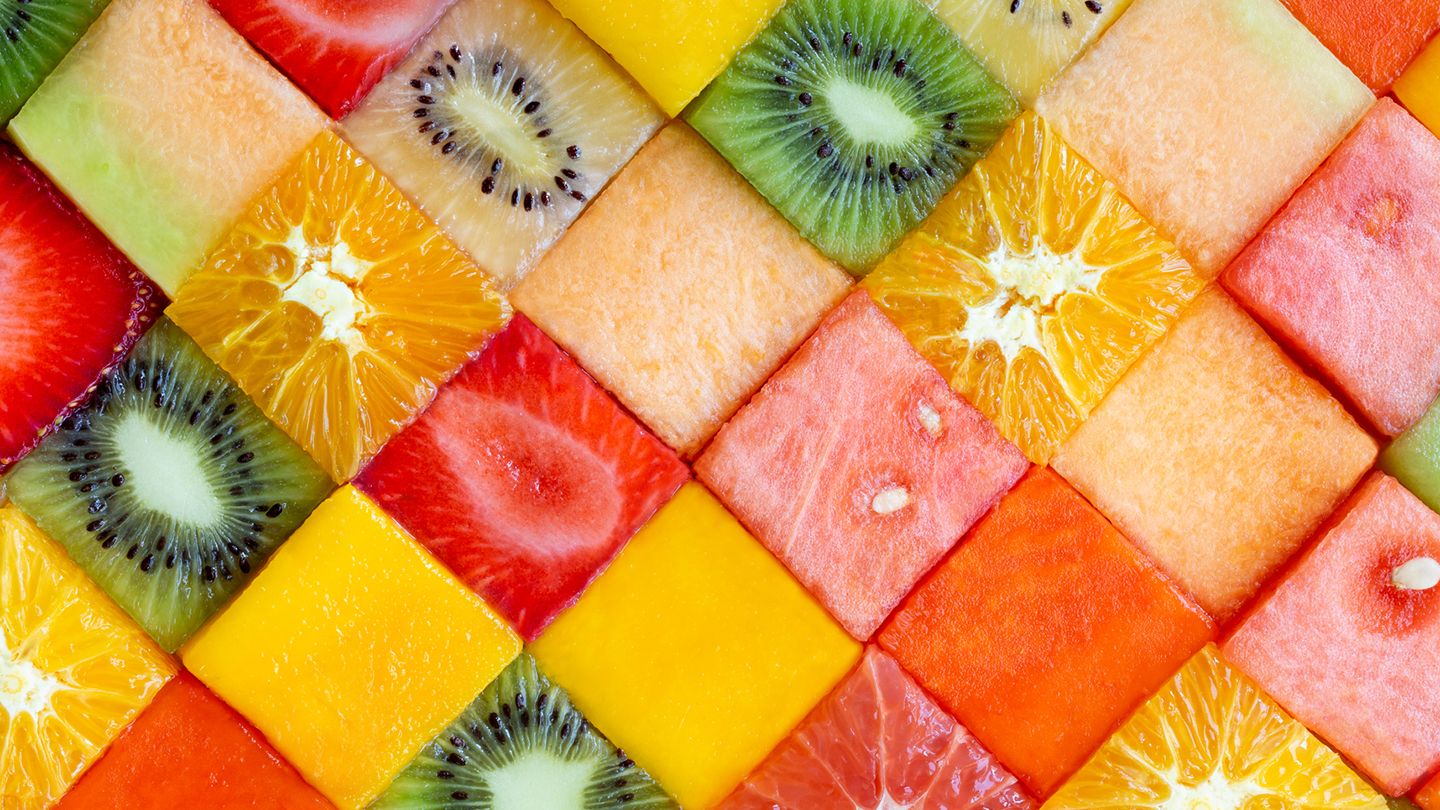
When it comes to cutting carbohydrates, it’s not only pastries and bread you have to think about. Carbs are also in fruits (which explains their sweetness), so logic might suggest canceling this type of food, too — but don’t.
“While many low-carb diets recommend avoiding fruit because it tends to be higher in carbohydrates due to its natural sugar, it’s not ideal for health. Fruit contains many health-promoting nutrients, and removing them from the diet completely could be detrimental,” explains Trista Best, RD, a registered dietitian at Balance One Supplements, an online vitamin and supplement shop based in Wilmington, Delaware. For example, fruits (as well as vegetables) provide heart-healthy dietary fiber, along with vitamins and minerals that the body uses as antioxidants to fight various chronic diseases, according to research.
So you know including fruit in your diet, even a low-carb one, is beneficial. But that doesn’t mean that anything goes. A standard low-carb diet involves eating 20 grams (g) to 50 g of net carbs per day, depending on your weight loss goals, according to the National Institute of Health.
RELATED: Which Low-Carb Diet Is Best for People With Diabetes?
Some fruits have a lower amount of net carbs than others, making them a better choice. (Net carbs are total carbs minus fiber and sugar alcohols, and they are often counted in low-carb dieting, such as Atkins.) So to hit your weight loss goal, it helps to choose fruits with the lowest amount of carbs.