
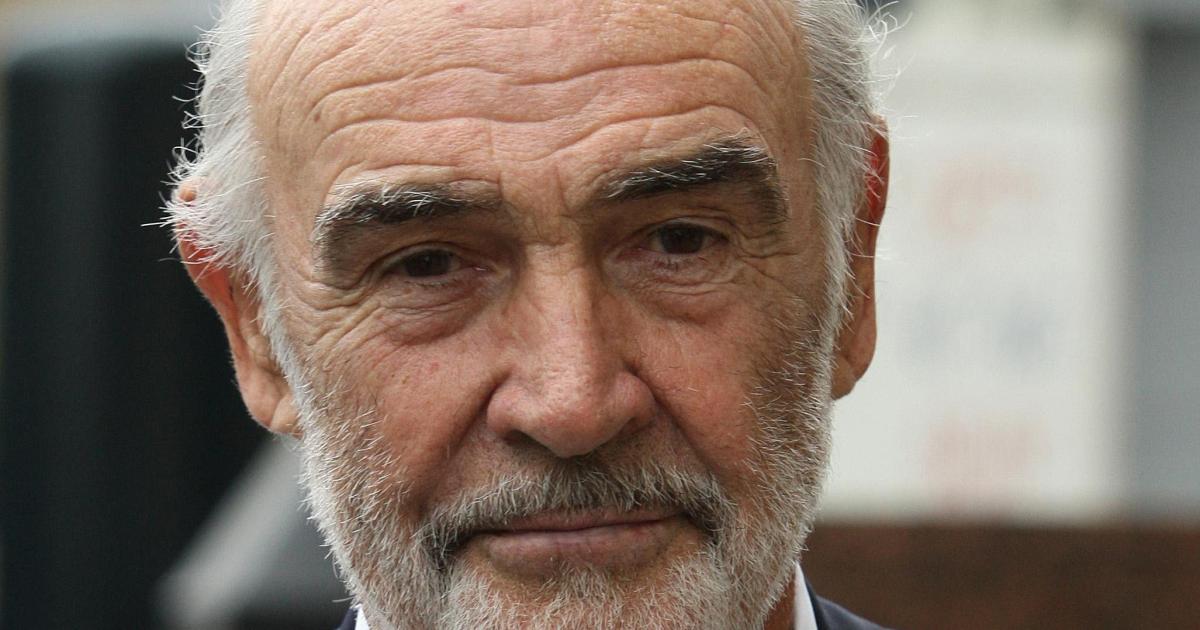
The demise of the Centre for the Moving Image in October 2022 provoked all kinds of difficult questions and a fair degree of soul searching in Edinburgh about the loss of two much-loved institutions.
Read more:
Their absence from the city’s cultural scene proved to be temporary, even though their recoveries were far from easy or swift.
It took a prolonged effort from the Scottish Government, Screen Scotland and Edinburgh City Council to get both back on their feet.
The new NFTS Sean Connery Institute is expected to open within the next 18 months. (Image: NFTS)
The film festival had to be rebuilt from scratch over the last three years, under a new board and creative team led respectively by Andrew Macdonald and Paul Ridd.
It took almost three years to reopen the Filmhouse following a £2 million refurbishment carried out by a new charity led by Ginnie Atkinson, a former managing director of the cinema and the film festival.
Sean Connery during the filming of his third James Bond film, Goldfinger. (Image: Agency)
The return of both organisations to the heart of the city’s cultural life is still a huge cause for celebration, especially given the loss of other arts events and venues elsewhere in Scotland.
They are both cornerstones of a shifting cultural landscape in the city which is expected to undergo significant change in the next few years.
The National Film and Television School and the Sean Connery Foundation joined forces to create a ‘talent lab’ programme in 2023. (Image: NFTS)
A major new element of that mix, exclusively revealed in The Herald, will put one of Edinburgh’s best-known cultural icons – a figure inextricably linked to both the film festival and the Filmhouse – at the heart of that landscape.
A new filmmaking centre named after Sir Sean Connery looks set to become one of the most significant new cultural institutions to open in the city in modern times.
The National Film and Television School and the Sean Connery Foundation have been working for the last three years on a ‘talent lab’ filmmaking programme based in Edinburgh. (Image: Sonja Blietschau)
It also also the potential to put Edinburgh on the global map as a powerhouse for new filmmakers to learn their craft – to add to its long-standing international reputation as a place to launch and shoot productions.
The project, which is being developed by the National Film and Television School and the Sean Connery Foundation, which launched in 2022, two years after the Edinburgh-born actor’s death, is unashamedly ambitious – not least because they want it to launch it within 18 months.
The National Film and Television School and the Sean Connery Foundation have been running a ‘talent lab’ programme in Edinburgh since 2023. (Image: Sonja Blietschau)
That would mean it opening before three other flagship projects in the city – the Dunard Centre, Edinburgh’s first new concert hall for more than a century, the transformation of the former Royal High School on Calton Hill and an 8,500 indoor arena in the Edinburgh Park area.
It is hoped that a “world-leading” training programme at the Connery centre will break down barriers that Scots trying to break into film and TV have traditionally faced, tackle a long-running talent drain out of the country, and “bridge the gap” between leaving university and forging an industry career.
Bob Last and Jason Connery opened FirstStage Studios in Leith in 2020 (Image: FirstStage)
It is expected to be complemented by a year-round public programme, with leading industry figures appearing at screenings, masterclasses, conversations and events, a thrilling prospect for a city which already attracts its fair share of big names, especially when its festivals are on.
A key aim of the project partners is for the NFTS Sean Connery Institute to have a prominent location in the city, with a “high-profile entrance” and “good visibility” among the key criteria.
The foundation, which has been at the heart of the film festival’s rebuilding efforts, and the NFTS have both made it clear that they want to buy an existing building for the project, and have even suggested the Fountainbridge area, where the actor was brought up, as a potential location.
Property agents and landlords will undoubtedly have plenty of suggestions around the city for a proposal that could certainly give a whole new lease of life to an empty office building.
There is no denying the symbolic appeal of a site in Fountainbridge, especially given its close proximity to the Filmhouse and other film festival venues like the Cameo and Cineworld.
However, it is no surprise that both the Sean Connery Foundation and the NFTS have also touted Leith as a potential contender.
It has been home to the forerunner of the new institute, the Sean Connery Talent Lab, which the foundation and the NFTS launched three years ago, albeit in a rented office space opposite the Scottish Government’s headquarters.
Sir Sean’s son Jason has had an even bigger stake in the area for the last six years since he joined forces with film producer Bob Last to launch a film studio business in a converted warehouse complex.
The success of FirstStage Studios, where the Netflix crime drama Dept Q is currently being made, is part of a bigger picture of genuine progress and momentum in the Scottish screen industry.
By the time the new Connery centre opens, the Scottish Government agency Screen Scotland should have been relaunched as a stand-alone body with a significantly enhanced budget compared to its current £11m worth of support.
A key task of the rebooted Screen Scotland will be to progress plans to launch a dedicated film school attached to a Scottish university.
How this particular proposal dovetails with the plans for the new Connery centre in Edinburgh is one of the most obvious questions which arises from this week’s announcement.
Another is the scale of investment needed to realise the ambitions for the Connery centre, especially given the desire to acquire a building for the project, even though the agents charged with finding a suitable site say “funding is in place” for the project.
There are two other factors which could sway the project in Leith’s favour.
There is growing recognition within the city council of the need to ensure a greater spread of cultural infrastructure around the city, with the issue discussed at length during the recent debates on how visitor levy income should be invested in the arts.
There is also the intriguing possibility of Leith making it onto the final shortlist to become the first UK Town of Culture in 2028, the year the Connery centre is due to open its doors.