
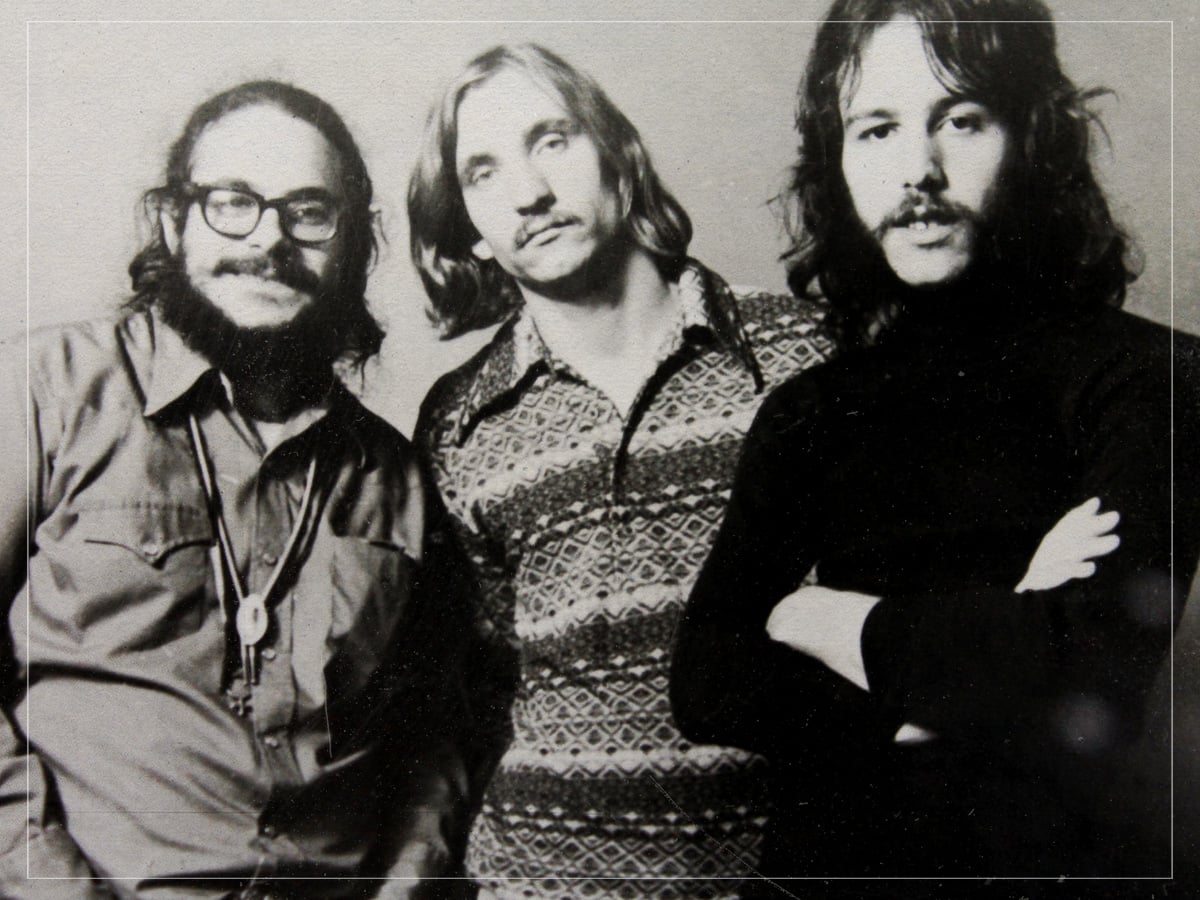
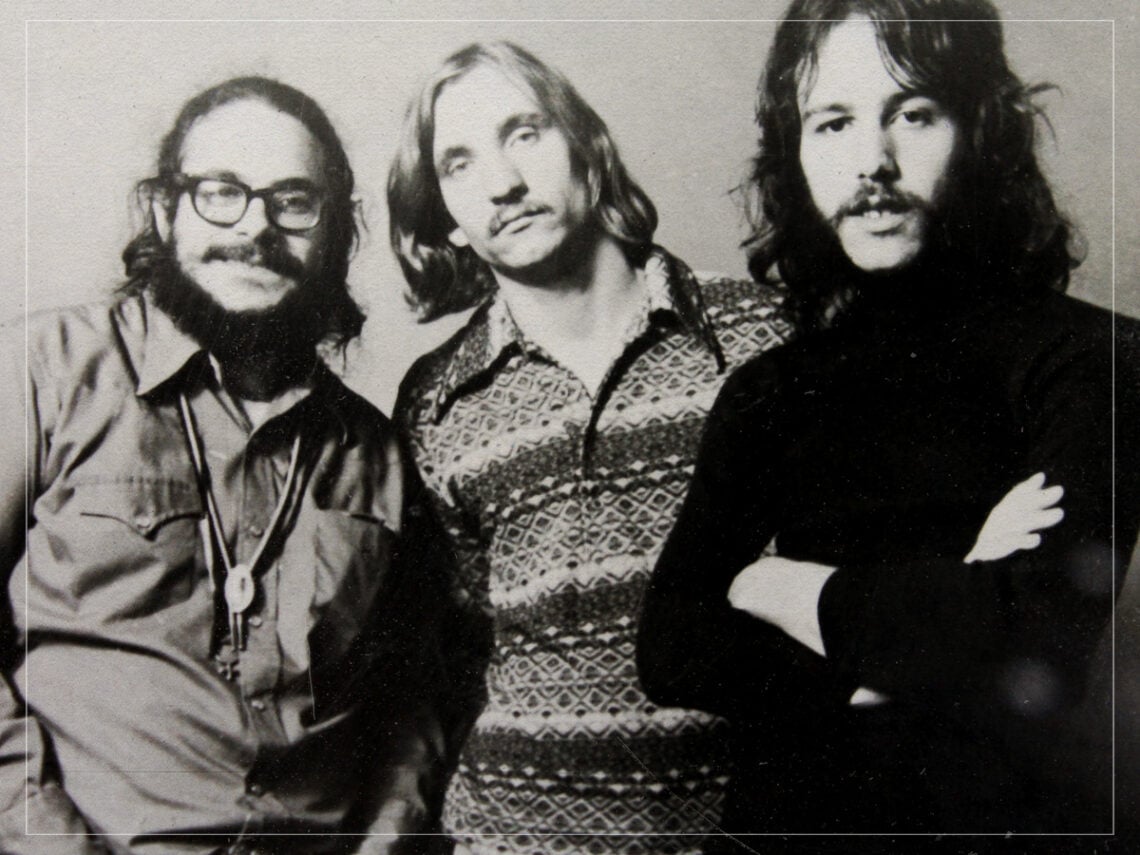
Credit: Far Out / Original Promo
Wed 23 September 2026 1:00, UK
By 1971, Joe Walsh had reached a point with the James Gang where he felt he had done everything he could do.
The band had given him an outlet for the aggressive rock and roll he had always wanted to play, but after three years inside a three-piece, Walsh was beginning to find the limitations of the format increasingly difficult to ignore.
At that point, the James Gang had achieved things that felt well beyond the realm of possibility. When they started, they were just a bunch of mavericks from Ohio into music. By the time they finished, they had recorded three studio albums and developed a reputation as one of America’s most exciting young rock bands.
While Walsh was already an accomplished guitarist, he felt he was slightly limited in what he could achieve within the band. “I was frustrated at having several musical ideas that were difficult to do with just three people,” he admitted in 1982. “I was burning out through having played with them for three years, and the group developed and got as far as I thought it ever would.”
The James Gang had certainly given Walsh room to develop. Songs such as ‘Tend My Garden’ and ‘The Bomber’ showed him beginning to push beyond the straightforward power-trio formula, but the further he moved in that direction, the harder it became to reproduce his ideas with just guitar, bass and drums.
“I was writing with harmony, and nobody could sing them,” he later explained, “I was writing for piano, and we couldn’t play one onstage. I was frustrated. I had just written and recorded ‘The Bomber’ and ‘Tend My Garden’ and couldn’t really re-create them onstage.”
There was also the question of where he wanted to go next, now that he had begun to look beyond the confines of the James Gang and towards a broader musical palette. Jim Fox, his fellow band member, understood the desire, noting, “Joe always wanted it both ways, and I think that’s admirable. He had the ability, he had the chops, he had everything it took”. Fox believed Walsh had reached the point where the usual labels no longer applied to him, because “Joe can play anything with credibility”.
Further reading: From The Vault
Before Walsh officially left, the James Gang would make one final appearance on the charts with Live in Concert, recorded at Carnegie Hall on June 7th, 1971, with all the band members present. By then, the band’s third album, Thirds, had already been released, and the group was operating at the height of its early success.
Released later that year, Live in Concert captured the band in their natural onstage environment and became their first album to reach the US Top 30, but Walsh had already made his decision. He later formed a new group, Barnstorm, before moving to Boulder, Colorado, and the change in surroundings would soon prove to be just as important as the change in band.
One day, while mowing his lawn, Walsh looked up at the Rocky Mountains and began to think about whether he had made the right decision. The mountains gave him the inspiration for a song that would become one of the defining moments of his solo career: ‘Rocky Mountain Way’.
Walsh would eventually go out on another limb and join the Eagles, where he became one of the biggest names in American rock, but in 1971, none of that was guaranteed, and he simply knew that the James Gang could no longer take him where he wanted to go.
ADD AS A PREFERRED SOURCE ON GOOGLE  The Far Out Classic Rock Newsletter
All the latest Classic Rock content from the independent voice of culture.
Straight to your inbox.