
Credit: Far Out / Universal Music Operations
Thu 24 September 2026 2:30, UK
Prog didn’t quite die, whatever punk lore will have you believe, but it did have to adapt to the rapidly shifting pop climate.
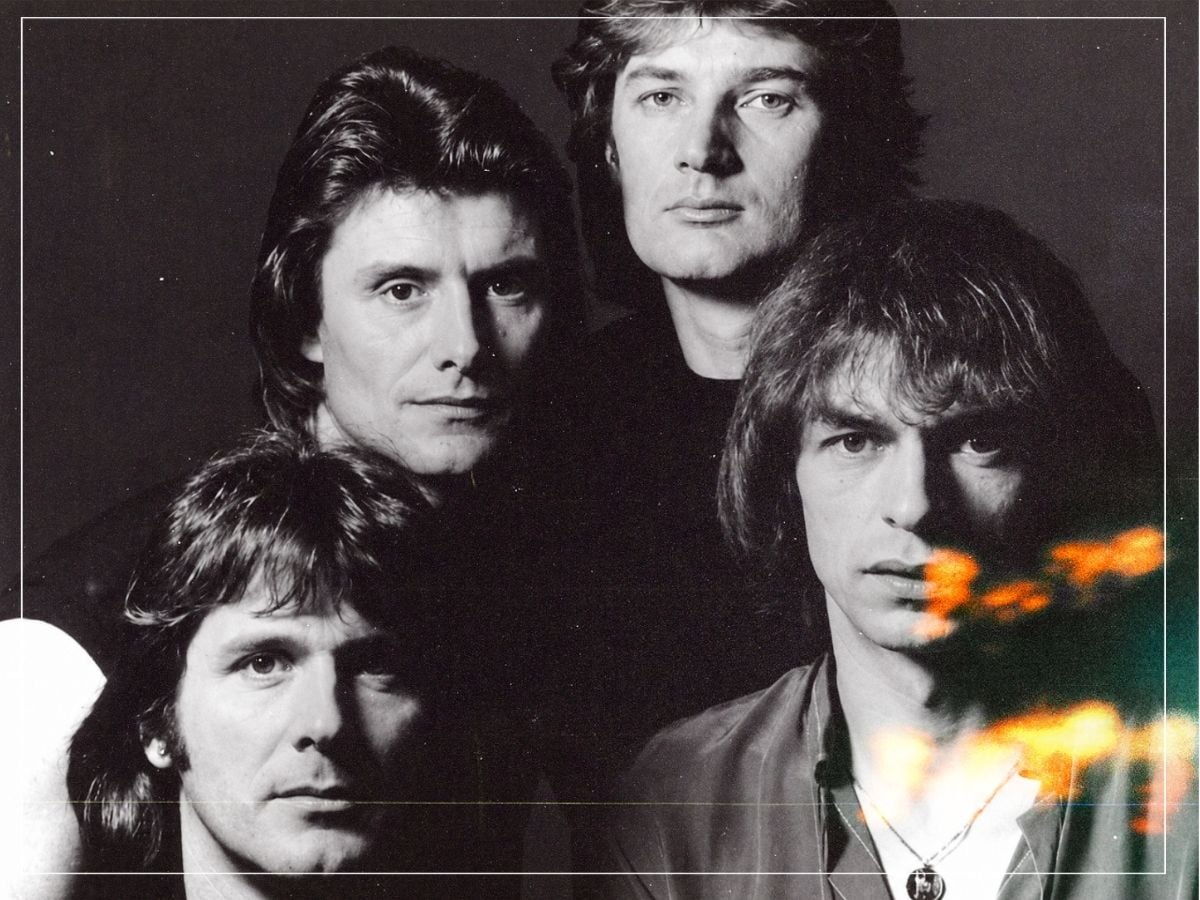
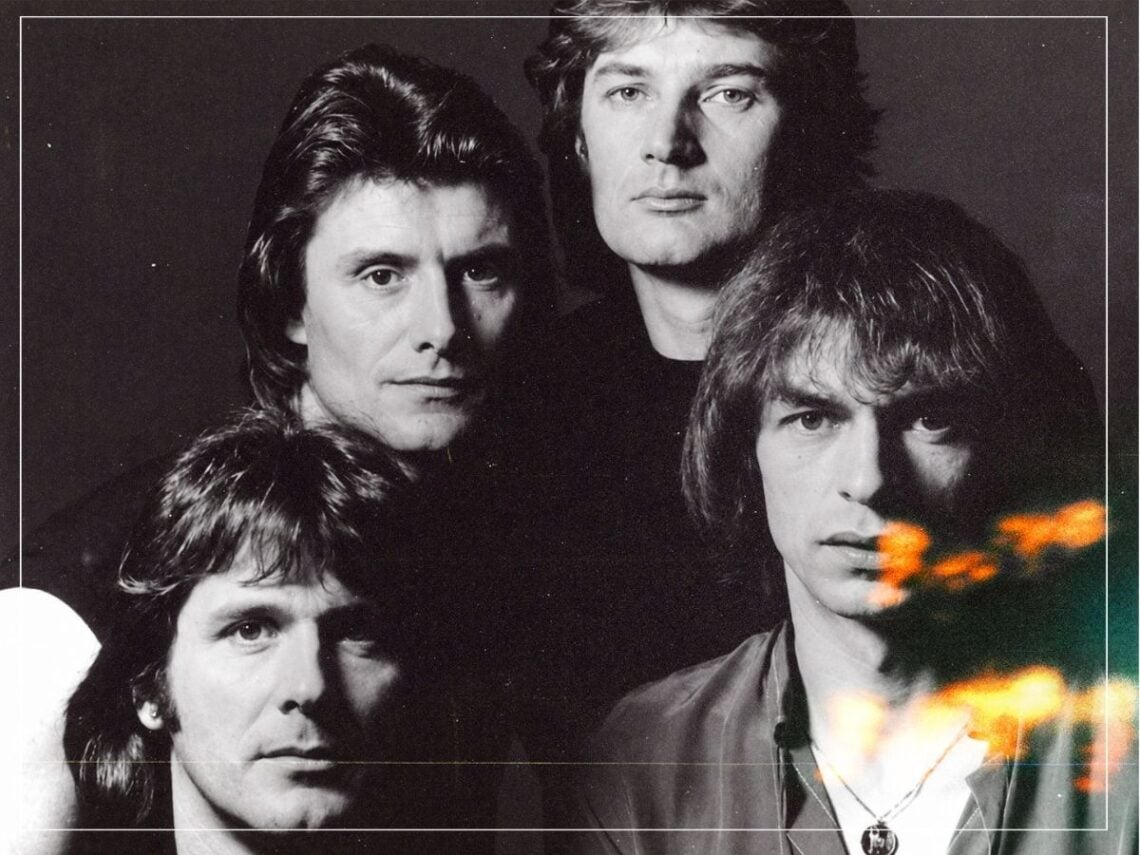
Case in point was Asia. The early 1980s supergroup comprised a hotchpotch of prog rock casualties, left adrift as their former bands’ wizardry nosedived in critical esteem. Seeking solidarity, Asia pulled in some of the biggest names of the whole progressive era, counting Emerson, Lake & Palmer’s drummer Carl Palmer, King Crimson’s John Wetton, long-serving Yes guitarist Steve Howe, and Johnny-come-lately Yes member and Buggles man Geoff Downes.
However, there were to be no 20-minute extravaganzas occupying an entire side of a record, nor conceptual arcs telling some grand narrative tale to the interest of the band and few others. Asia were to follow the lead of the day’s Toto, REO Speedwagon and Styx, former proggers who sailed into the 1980s charts by shaking off elongated jams in favour of soft rock gloss.
It worked; such a stylistic embrace would see 1982’s eponymous debut and the Alpha follow-up crack the top ten over in the States. Yet, while the group’s line-up was still being settled, other options for lead singer were considered before confirming Wetton’s role behind the mic. One was Trevor Rabin, the South African guitarist and songwriter who’d formed Cinema with ex-Yes members Chris Squire and Alan White, and was largely responsible for Yes’s later ‘Owner of a Lonely Heart’ smash.
Yet, Rabin didn’t quite make the cut. It was Palmer who suggested an altogether left-field turn, the former hitmaker Roy Wood. The fellow Brummie came from respectable pop pedigree, having fronted The Move back in the 1960s, co-founding Electric Light Orchestra with Jeff Lynne not long after, then captaining the Wizzard glam outfit responsible for the ‘I Wish It Could Be Christmas Everyday’ festive smash.
The rest of the band agreed that Wood had the songwriting credentials, Wood counting 15 UK top tens, but his flamboyant wardrobe and eccentric character threatened to be too much for the band’s desire to pursue a more middle-of-the-road path to commercial success.
“I got hold of Woody’s number, and he came to see us,” Palmer reflected to MusicRadar. “He had his silver shoes on, and his tights, and his red jacket, and his hair all over the place, and his round glasses. And he kept saying to Steve Howe, ‘Can you play some of that posh guitar?’”
Further reading: From The Vault
As part of his semi-audition, Wood played a rendition of his long unreleased ‘Aerial Pictures’, and wowed the Asia collective with his musical prowess. But the vibe was off. Everybody loved him, but knew he just couldn’t travel the road Asia were heading down. “There was nothing wrong with his credentials,” Palmer added. “It was just that the connection was missing. When you’re a musician, it doesn’t matter how good somebody is. It either works or it doesn’t, and in Woody’s case it didn’t.”
While Wood may have been hurt by the rejection, Asia more than managed, with Wetton stepping up to frontman duties, launching their debut in 1982. It stayed at the top of the Billboard 200 for a staggering nine weeks in a row, that year’s best-selling album in the States.
