
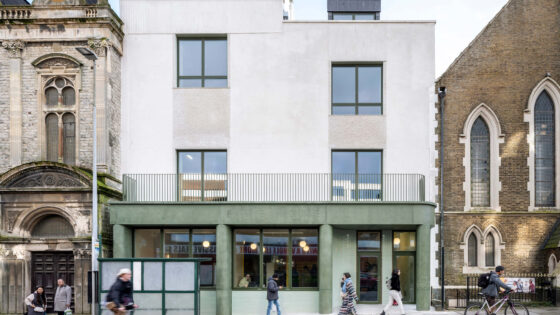
IFDO’s Eagle House in Hastings has been named Retrofit of the year at the 2026 AJ Retrofit & Reuse Awards, in recognition of a transformation that puts social value, resilience and long-term stewardship at centre stage.
The project, which also won the Adaptive reuse into mixed use category, has transformed a dilapidated 1860s building into a youth hub, public common room and workspace. The design by IFDO was developed with client Hastings Commons following extensive engagement with more than 60 residents and 200 young people.
The 940m² project retains and reuses much of the existing fabric of the five-storey building, which had suffered from the addition of an unsympathetic replacement façade in the 1980s. The intervention introduces new civic uses, a clearer public presence and a brighter, more welcoming and permeable street edge.
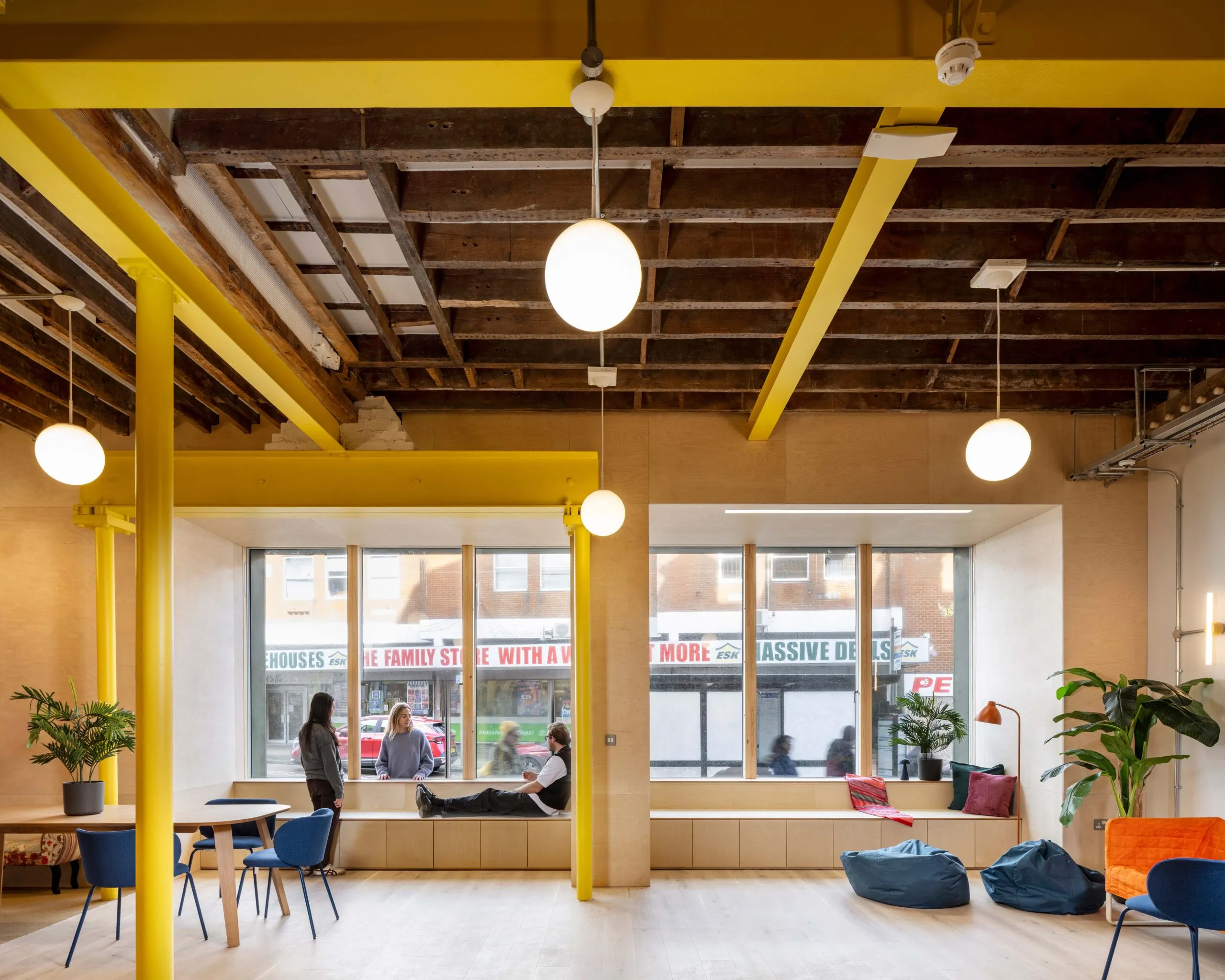
A distinctive glazed frontage opens directly onto a bus stop, helping to bring activity and interaction to the building’s edge and encouraging conversations between the building’s occupants and people on the street.
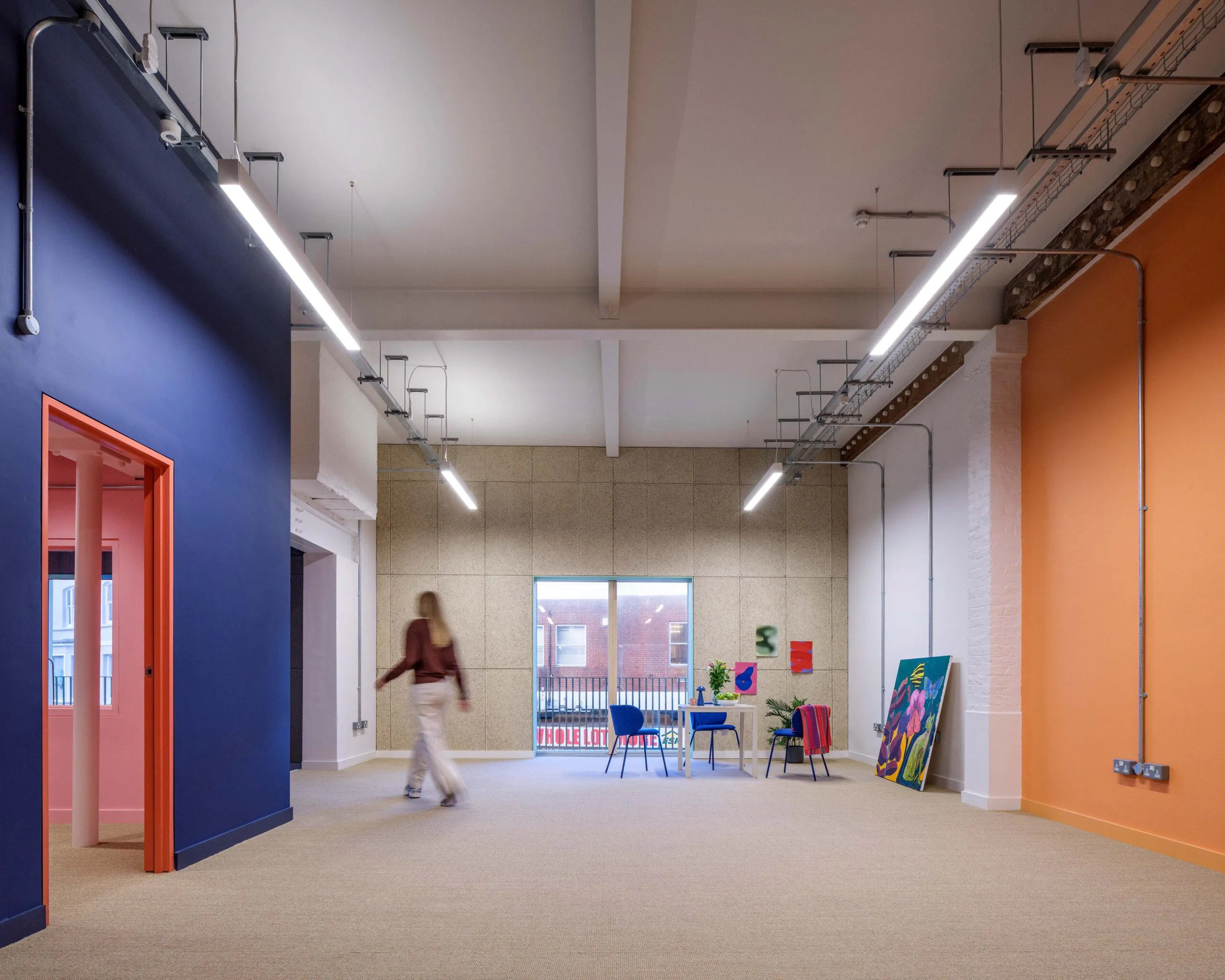
The project also takes an ambitious approach to environmental responsibility, combining fabric-first upgrades with low-impact, natural and breathable materials and measures designed to reduce energy use and the long-term cost of community ownership.
Eagle House is the product of a longstanding partnership between IFDO and social enterprise Hastings Commons. The pair previously worked together on the transformation of the Hastings’ Observer building, also on Cambridge Road a short distance away, turning the former newspaper office into a community and leisure space with a rooftop extension and 12 ‘living rent’ homes.
The AJ editorial team said of this year’s winner: ‘In the context of scarce local resources, Eagle House is not the only community-led regeneration of a derelict building in a challenged town centre.’
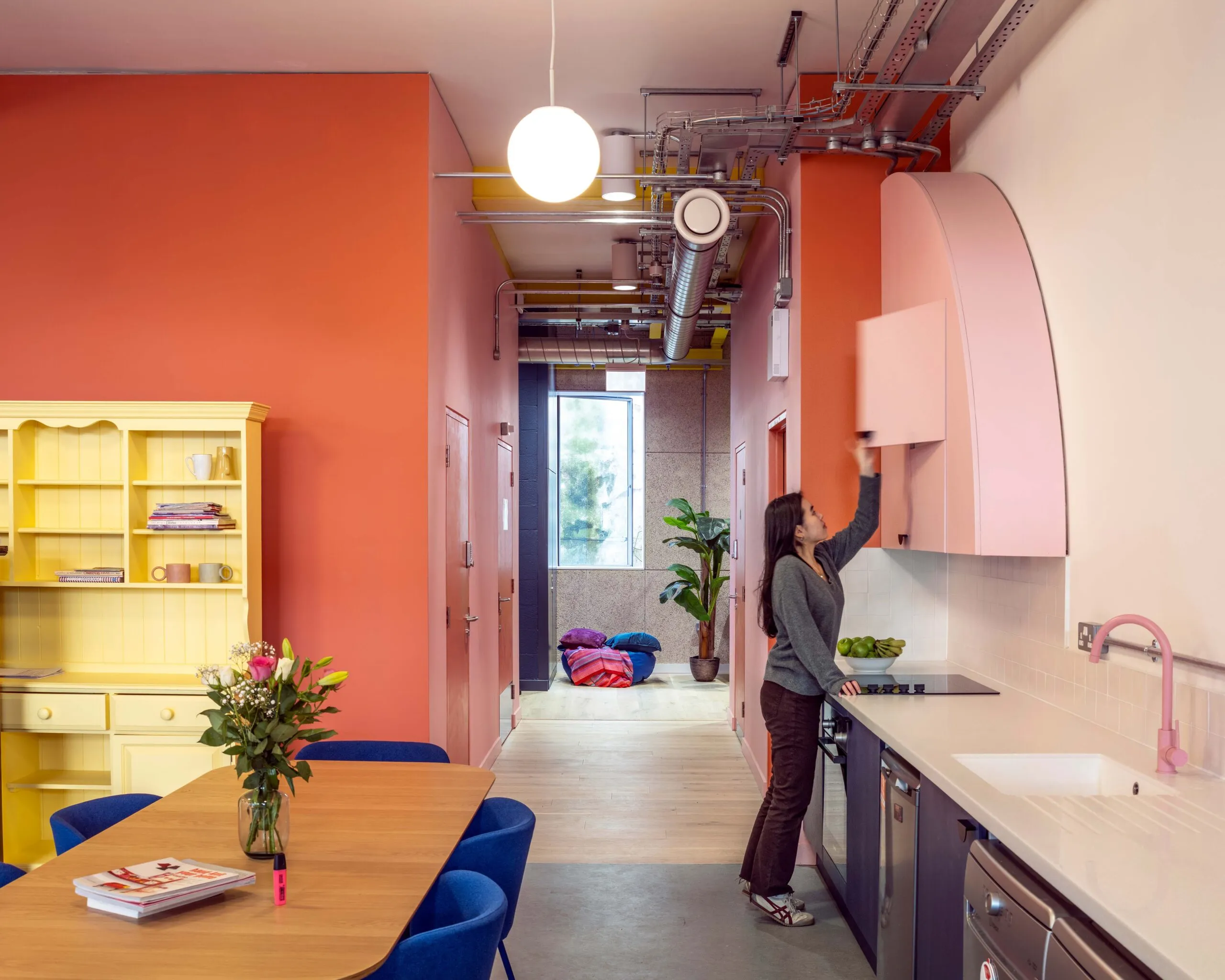
‘It stands out because of the deep social and environmental convictions that underpin it, its success in bringing people together and an extraordinary client-architect relationship. These ingredients have produced great architecture.’
The 2026 AJ Retrofit & Reuse Awards celebrate architectural excellence in the renewal, adaptation and repurposing of existing buildings. This year’s 18 categories emphasise the reuse of existing structures and materials, alongside the lessons that can be learnt from retrofit projects.
Nearly 110 projects were shortlisted across this year’s awards. Each shortlisted practice presented its project to the judges during the summer in a virtual session comprising a five-minute presentation, followed by up to 10 minutes of questions.
The 28-strong jury included Lewisham Council net zero carbon manager Tania Jennings, Max Fordham partner and director of sustainability Hero Bennett and associate professor at the London School of Architecture Ruth Lang.
The category winners, alongside three editorially chosen awards – Retrofit of the year, Practice of the year and Client of the year – were announced at the awards ceremony on Thursday 24 September at a new venue for the event, the Grade II-listed Art Deco live events and music hall the Troxy in east London.
Last year, Retrofit of the year was awarded to the heritage-led regeneration of The Buttermarket in Redruth, Cornwall. The £4 million project was particularly commended for its client, Redruth Revival CIC, a volunteer-led community interest company whose approach to community regeneration and collaboration helped secure multiple funding opportunities and revitalise the Cornish town.
Formerly known as the AJ Retrofit Awards, the programme was renamed the AJ Retrofit & Reuse Awards in 2024 to reflect the expanding scope of retrofit practice, from adaptive reuse to decarbonisation and whole-life carbon reduction.
The 2026 AJ Retrofit & Reuse Awards are sponsored by

2018 predictions: Will the profession continue to be marginalised?