
More than a third of the country’s historic attractions are said to be in a “poor or bad” condition, according to a national industry body.
Read more:
Around half are said to have fallen behind with maintenance and repairs due to a lack of available finance.
Museums and Galleries Scotland, which works with more than 450 attractions across the country, said its findings have uncovered “significant financial fragility” across the sector.
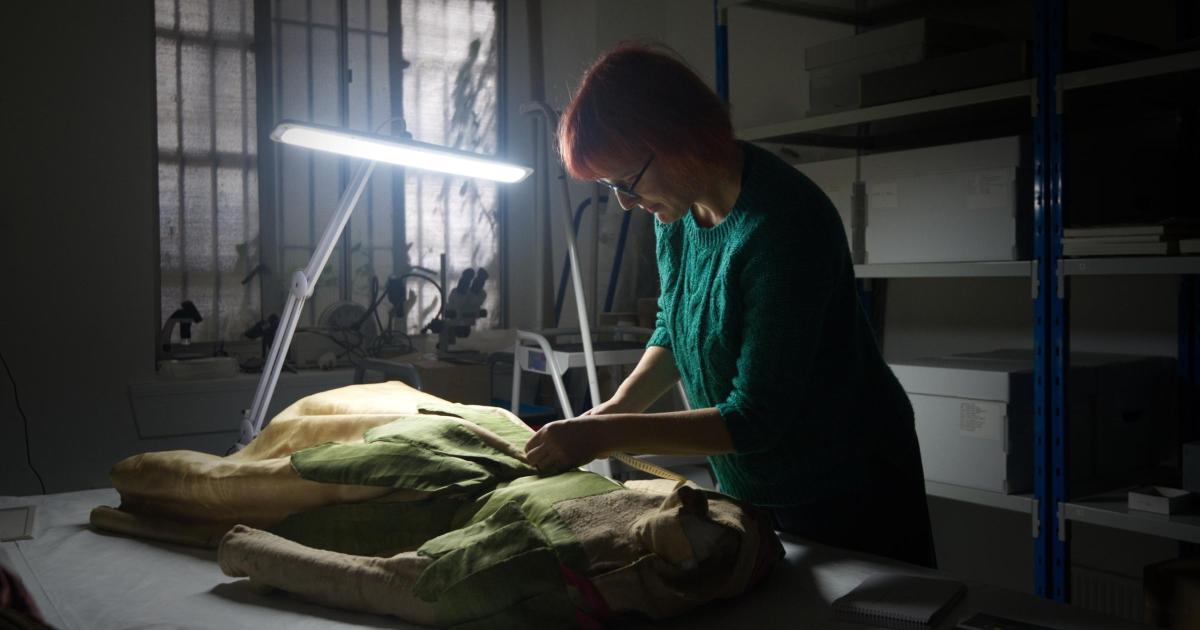
Museums Galleries Scotland works with around 450 attractions across Scotland. (Image: University of Glasgow)
It has revealed details of new research ahead of an appearance at the Scottish Parliament culture committee next week.
It will be warning MSPs on Holyrood’s culture committee that 40% of its members only have up to three months of financial reserves to survive on.
Museums Galleries Scotland works with around 450 visitor attractions. (Image: Martin Shields)
Attractions are said to be struggling with a mix of depleted reserves, ageing buildings, workforce pressures and dwindling numbers of specialist staff.
MGS is urging the Scottish Government to rethink its support for the nation’s museums and galleries, saying it “compares unfavourably” to other parts of the cultural sector.
It has also raised concerns that just £4 million of the £70m in new culture funding rolled out by the Scottish Government over the last two years has been ringfenced for non-national museums and galleries around the country.
The £4m allocated to MGS was ringfenced for a new programme, Museum Futures, which was launched by the government last summer. It is aimed at ensuring there is more “long-term sustainability” across the sector.
However, MGS has claimed that the lack of multi-year funding across the sector “is making it harder for museums to plan strategically, retain staff, invest in their buildings and deliver sustained public benefit”.
MGS will be speaking at Holyrood’s culture committee as part of its scrutiny of culture spending ahead of the next Scottish Budget in December.
Its report for MSPs states: “Scotland’s museums and galleries are among the nation’s most significant civic assets.
“They care for the collections, stories and places that define Scotland’s past and help shape its future. They are valued public spaces that support learning, wellbeing, community participation, local economies and place-based development.
“Across urban, rural and island communities, they provide infrastructure that is cultural in purpose but social, economic and civic in impact.
“They are part of Scotland’s essential civic infrastructure. Every day, they demonstrate significant public value extending well beyond their doors. We believe that investing in museums is an investment in the public interest.
“But success should not be mistaken for security. This activity is being delivered against a backdrop of sustained financial pressure.
“We are nearing the point where the resilience built up by museums themselves cannot compensate for the structural pressures outwith their control.”
The report for MSPs states that 17% of organisations believe attractions they operate may have to close within the next 12 months. Other key findings include 52% of attractions not being on top of regular maintenance and 38% of organisations looking after an attraction that is in poor or bad condition.
MGS says: “Strategic capital investment now represents good public value. Preventative investment to improve buildings, climate resilience and collections infrastructure is considerably more cost-effective than dealing with major failures later. The sector needs a more ambitious capital investment approach recognising these buildings as part of the nation’s civic and cultural infrastructure.”
The Scottish Government says it has delivered £70m of the £100m of new investment it pledged to roll out across the cultural sector by 2028.
A further £50m of additional funding has since been promised by the end of the current parliamentary term.
The government has also promised to create a new national company for traditional music, roll out a minimum income scheme for artists and the launch of a new youth culture pass scheme.
However, it has been under pressure from the national performing companies, including Scottish Opera and Scottish Ballet, to provide them with long-term funding agreements for the first time.
MGS has warned that the sector’s workforce has seen reductions across specialist collections, curatorial and learning roles, adding: “These skills are difficult to replace once lost and are vital to the stewardship of Scotland’s collections.”
The MGS report states: “Despite delivering substantial public benefit, museums continue to operate within a funding landscape that compares unfavourably with other parts of Scotland’s cultural sector.
“Of the £70m in additional culture funding announced in recent years, just £4m has been directed to our non-national museums through Museum Futures.
“The lack of multi-year funding settlements, available in other parts of the cultural sector, is making it harder for museums to plan strategically, retain staff, invest in their buildings and deliver sustained public benefit.
“We cannot expect museums to deliver more public value while narrowing their capacity to do so.
“With increased culture funding available, it is time that Scotland’s museums and galleries received their fair share.
“Multi-year funding of the type available to arts organisations would help protect and strengthen the sector, giving museums and galleries stability to plan for the future and do more of what Scotland needs from them: supporting thriving communities, strengthening local economies, boosting learning and skills, preventing poor health and promoting wellbeing, and building a stronger sense of place and belonging.”
MGS has suggested that Scottish attractions are being “further disadvantaged” because there is no equivalent to the UK Government’s Museum Estate and Development (MEND) Fund to support projects north of the border.
It says: “The MEND scheme has allocated £112mbetween 2021 and 2025 to support vital infrastructure, maintenance and capital projects across England’s museums.
“In 2026, the Department for Culture, Media and Sport announced a new £160m cultural infrastructure package, which will continue to support museum infrastructure through MEND.
“Without a similar, dedicated mechanism, to address the significant investment required across museum buildings and infrastructure, Scotland’s museums are being forced to defer works, increasing the risk to their building and collections that will only become more significant and costly challenges over the longer term.
“Caring for collections on behalf of the public is a substantial responsibility and comes with similar substantial costs for conservation, storage and building maintenance.”
MGS said its most recent research had found the museums and galleries sector was generating more than £220m for the national economy every year.
MGS chief executive Lucy Casot told The Herald: “Museums deliver extraordinary public and economic benefit. They inspire learning beyond the classroom, igniting curiosity in children and lifelong learning in adults.
“They support mental health and wellbeing, offering welcoming spaces for reflection and creativity. They tackle isolation and loneliness. They strengthen local economies, anchor high streets, support jobs, and attract visitors.
“Through the collections they hold, they preserve and interpret Scotland’s diverse histories, ensuring our national story is honest, inclusive, and shared.”
Ms Casot said the contribution of museums and galleries was “too often overlooked”, with cultural funding framed as “discretionary” rather than “foundational”.
She added: “Far from being cultural luxury, museums are part of our essential civic infrastructure.
“A visit to a museum is not simply a cultural experience. It is a lesson in how inclusive growth, social impact, and civic pride can be achieved.”
Ms Casot said the Museum Futures programme had shown what was possible when attractions were able to innovate and plan for the future.
She added: “The next step is to make that approach part of the sector’s foundations, not a time-limited programme.
“A multi-year commitment would allow the learning, partnerships and new ways of working developed through Museum Futures to become embedded across Scotland’s museums.
“This is about moving from short-term support to long-term change, giving museums the stability to innovate, strengthen their organisations and deliver even more for the communities they serve.
“For millions of people, museums are a door to culture, the challenge now is to make sure that door remains open.”
A spokesperson for the Scottish Government said: “Museums and galleries are an essential part of the cultural footprint of Scotland. We are investing in them to ensure their continued success.
“The Museum Futures programme is a great example of this. It received £4.2 million in continued funding for 2026-27 to drive innovation in the sector, allow for more collaboration between galleries and museums, and upskill staff so that these vital institutions can be on the front foot.”