
Natural Resources Wales (NRW) has confirmed that north Pembrokeshire and Ceredigion are showing early signs of improvement, with rivers in south-west Wales approaching normal flows for this time of year.
However, the drought status remains in place for south-east Wales, north Wales, and the upper Severn region, where river levels are still low.
Rhian Thomas, sustainable water and nature manager at NRW, said: “The heatwaves over the summer intensified the dry conditions, causing a rapid deterioration of the environment and widespread impacts to waters, soils, wildlife and habitats.
“While it’s promising to see signs of recovery, we cannot be complacent.
“We expect it will take time, and more sufficient rainfall into the autumn before the environment fully recovers, and we will be closely monitoring conditions in the weeks and months to come.”
Drought was first declared in north Wales on July 23 after prolonged heatwaves and dry weather.
Just a week later, the drought status was extended across the entire country.
NRW reported that Wales has received 78 per cent of its expected rainfall for September so far.
The summer of 2026 was the driest July recorded in 190 years and the driest July-August period since 1976.
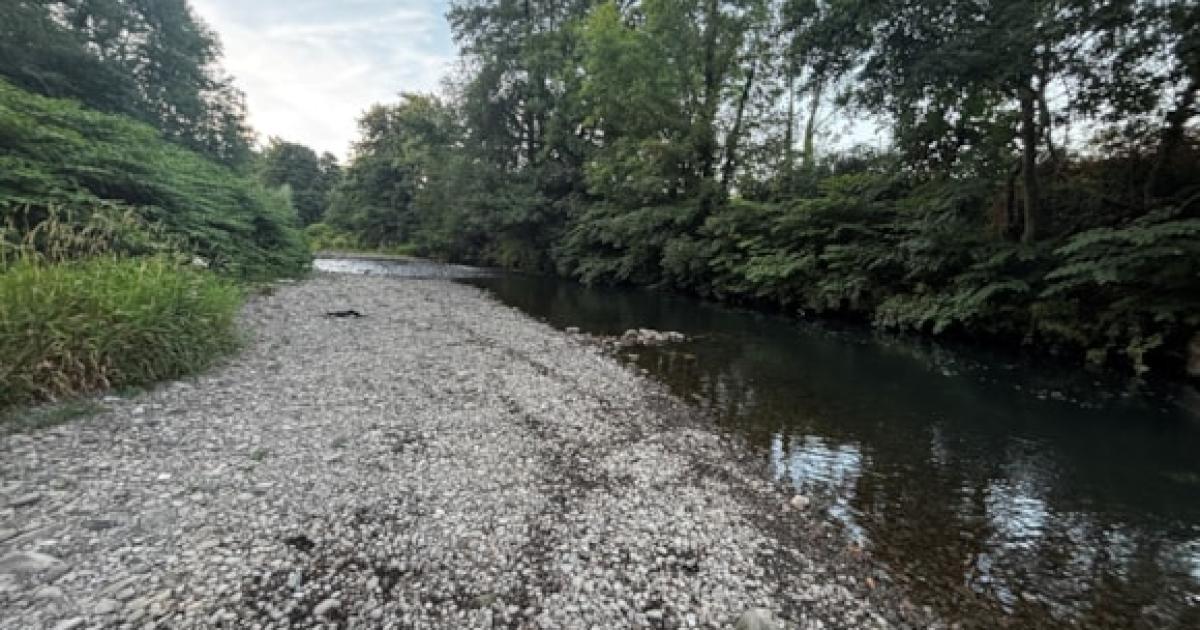
South-east Wales remains in drought conditions despite signs of recovery across Wales (Image: Natural Resources Wales)
It is also believed to have been the hottest summer on record, according to the Met Office.
NRW continues to advise the Welsh Government’s Drought Liaison Group on current environmental conditions.
The group includes representatives from the agricultural sector who are monitoring the effects of drought on crop production and livestock feeding.
NRW teams are also working closely with the Environment Agency in England to manage cross-border rivers, including the Severn and Dee.
The organisation encourages the public to continue using water wisely and is a supporter of the Let’s Save Water campaign, which is backed by regulators and water companies.
Anyone with concerns about environmental impacts or pollution related to the drought can report incidents by calling NRW’s hotline on 03000 65 3000.