
It has long been thought of as one of the most feared diseases in the medieval world.
Leprosy was capable of inspiring religious debate and, for those who bore its symptoms, reshaping their place in society.
But an archaeological project in Lincoln is presenting a more complex picture of how this misunderstood condition was treated and patients were perceived.
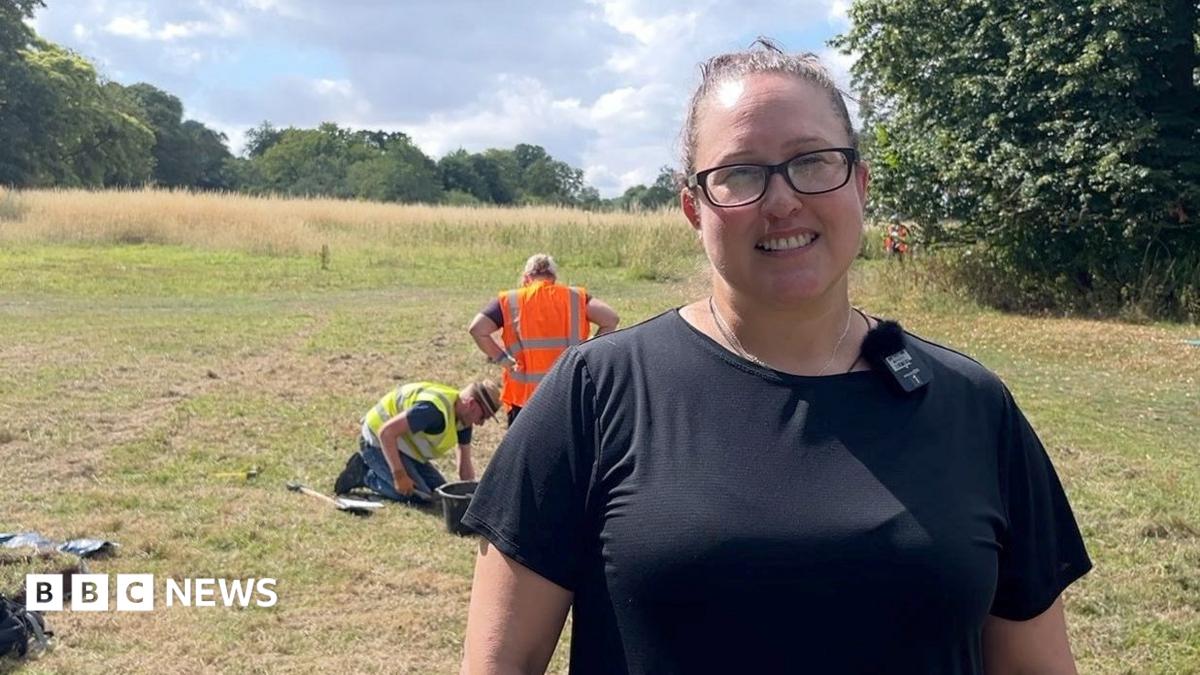
Next month, a dig will begin to uncover the Hospital of the Holy Innocents, which was founded in about the year 1100 to offer care and shelter to those living with the disease.
“We have this idea that individuals with leprosy were ostracised or shunned, that’s a very Victorian view,” says Samantha Tipper, a senior lecturer in forensic science at Anglian Ruskin University.
“Actually, places like this may have been nice religious communities and a lovely place to live… apart from the leprosy.”