

Members Only
At Europe’s fast-growing cycling show, brands were talking about recovery, even if it hasn’t been quite as fast as everyone hoped.

Suvi Loponen
It has been a strong year for cycling’s consumer festivals. Velofollies in Belgium attracted about 40,000 visitors, and Sea Otter Classic in California about 70,000. The exception was Eurobike, long the industry’s main trade fair. In June, its exhibitor count fell to 800 from 1,500, trade attendance halved, and many of the largest brands stayed away.
Was 2026 Eurobike’s last stand?
The once-benchmark trade show spent years trying to cater to everyone, but this year attendance dropped off a cliff, and the industry questions if it is serving anyone.
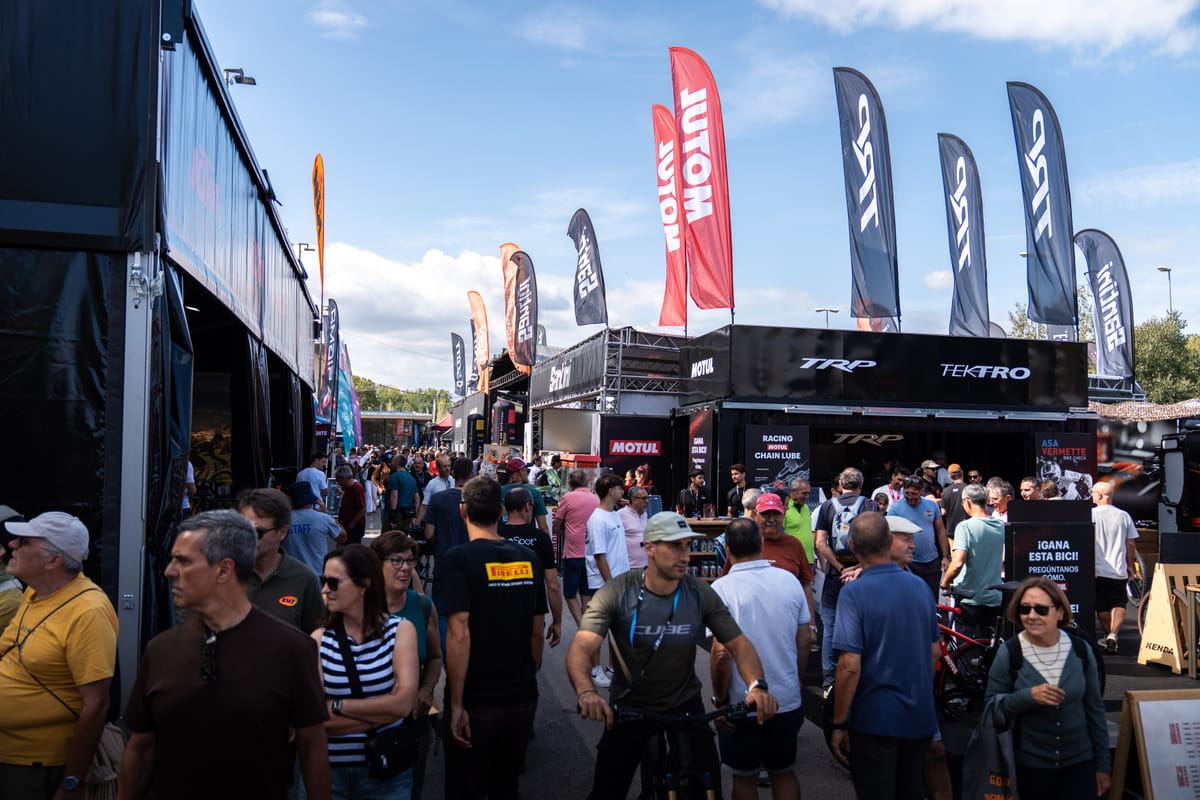
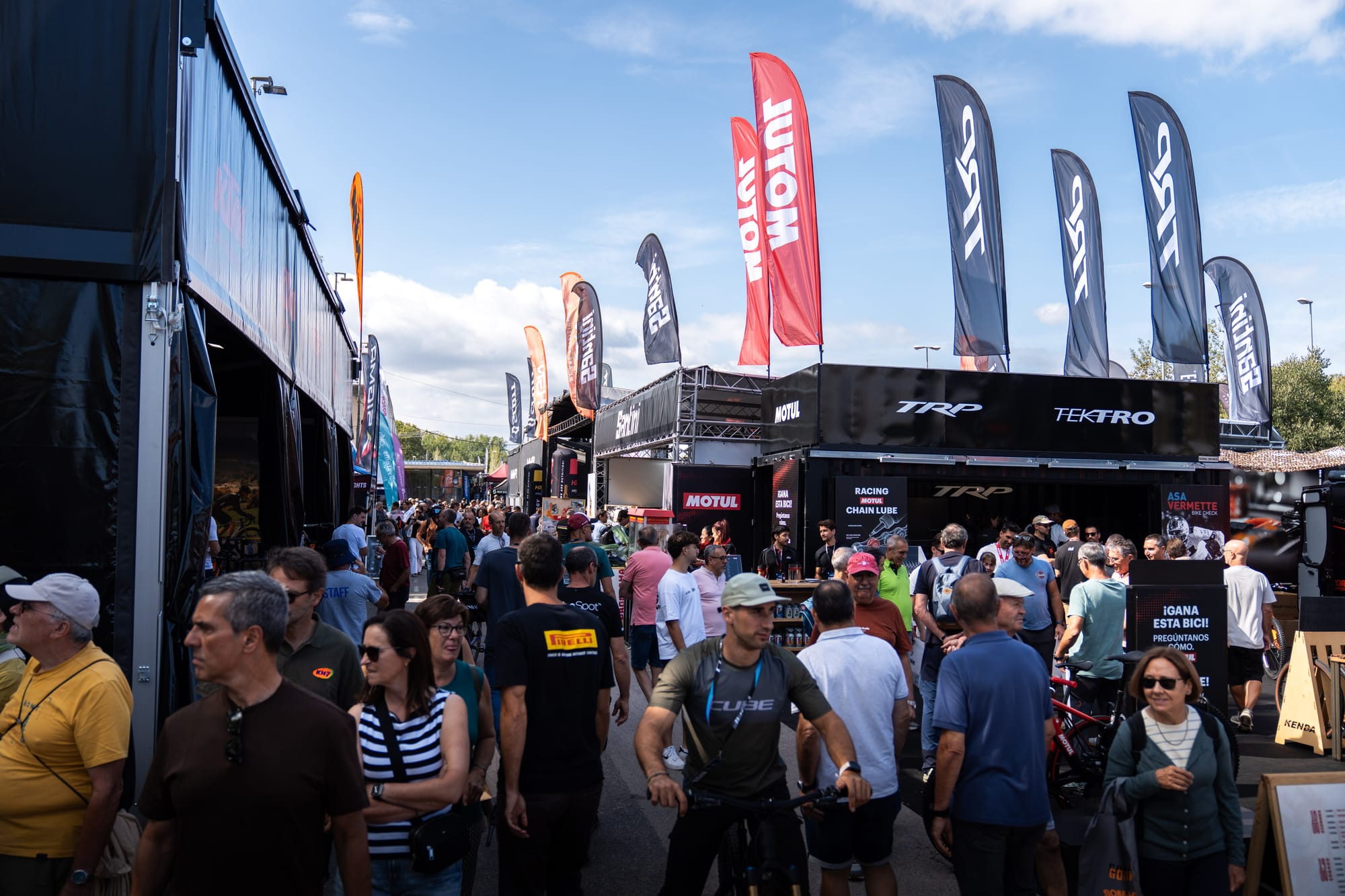
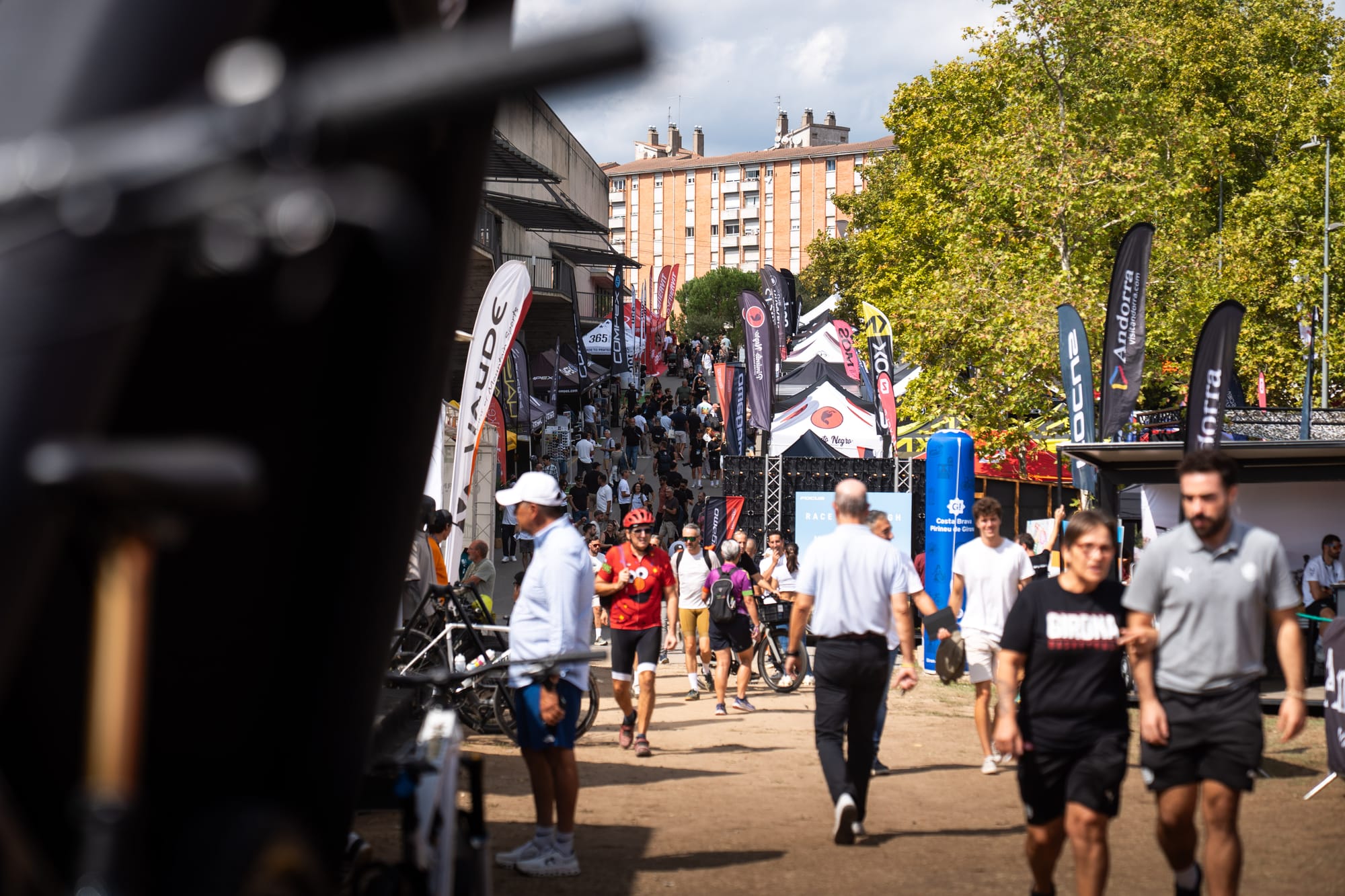
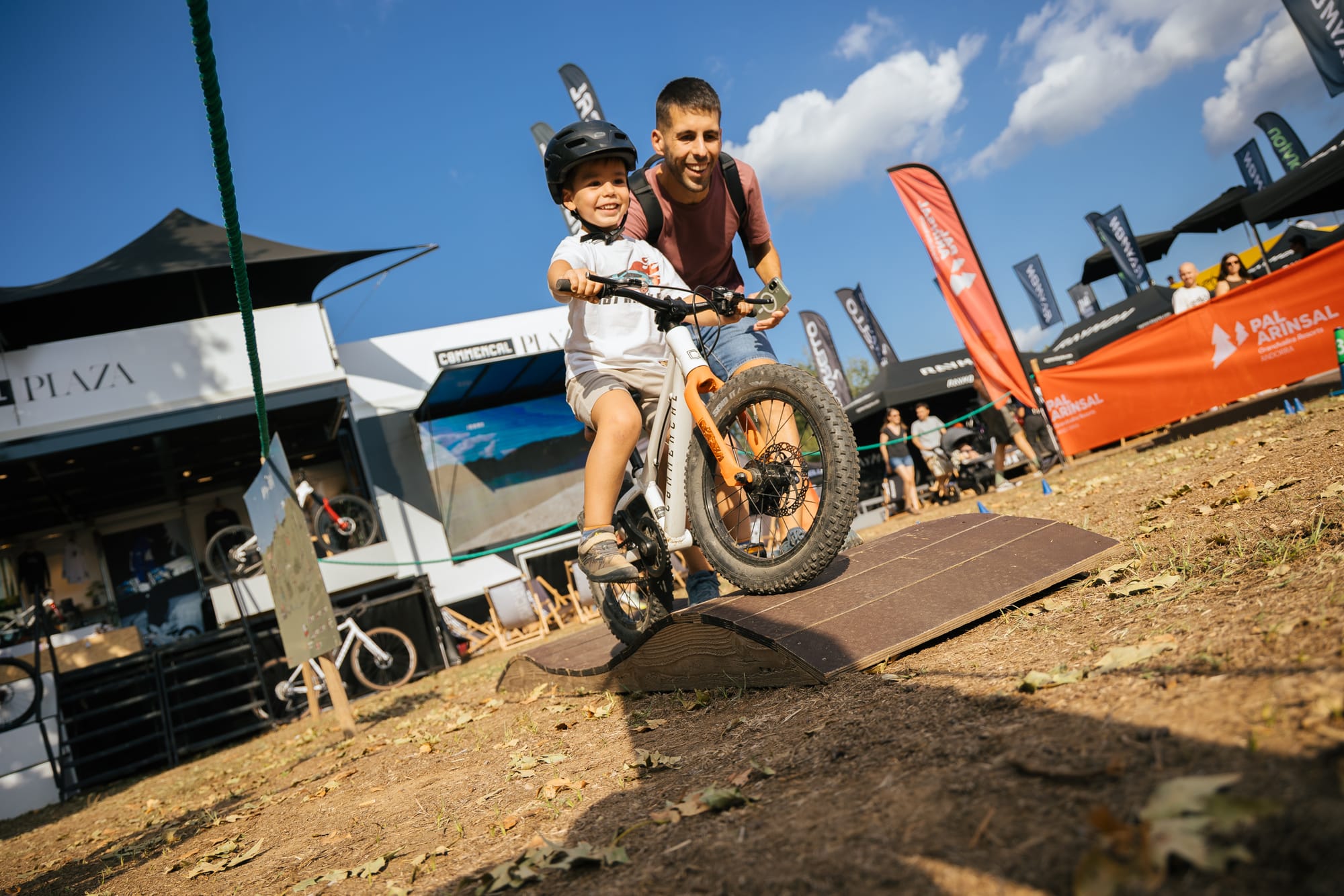
Sea Otter Europe felt like the polar opposite to the German show. On a sunny Friday morning at the expo in Girona, Spain, it was hard to find anyone gloomy about bikes, cycling or the industry. Kids rode laps of the demo tracks. Racers rolled through the expo on the way to the start line and returned with dust-covered faces. By the organisers’ count, about 80,000 people visited over the weekend, the most in the event’s history and even outdrawing its long-running California sibling.
Speaking with the attending product, sales and marketing managers, as well as CEOs over two days in Girona, an upbeat mood was hard to miss. There was a sense that not only have trade shows clearly become big again, but also that the industry changed for the better in the last year – even if that doesn’t mean that everything is now stable and growing.
“Nobody, I would say, was banging the drum saying, ‘Yeah, everything is amazing, this is the best year ever,'” Damian Phillips, global director of PR, communication and partnerships at POC, the Swedish helmet and apparel maker, told Escape Collective, but he still voiced optimism. “It’s not progressing as quickly as many people would want, but it’s still going in the right direction.”
Phillips’ take was shared by many. Brands said their inventories are now healthier, and sales better. But the problems of the last few years have not disappeared with the warehouse stock. Consumers are still holding on to bikes that they bought over the last few years – many of those with heavy discounts. They are less inclined to replace them, and when they do, more brands are competing for their attention with ever more products.
The bike industry’s inventory problem
When order lead times ballooned from two months to two years during COVID-19, it created a massive, long-term problem for the bike industry. Even today, nobody can tell you exactly how much excessive stock there still is.
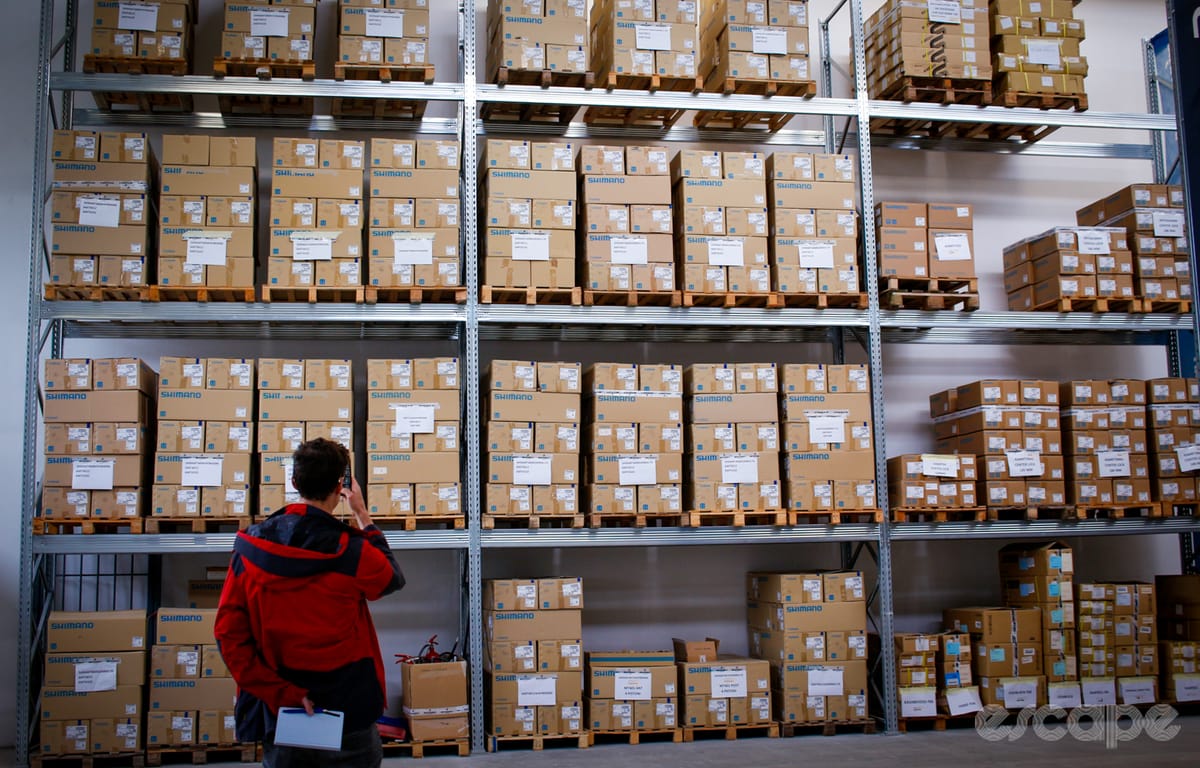
As a result, the whole market looks fine from one side, and difficult from another. Ramon Mendiburu, a sales manager who’s been with Basque brand Orbea for 15 years, said 2026 has been “a good year with positive results,” with better turnover and better sell-through. But he was quick to add another perspective.
This post is for paying subscribers only
Subscribe now
Already have an account? Sign in
Did we do a good job with this story?
Yep
Nope