

Want to bookmark your favourite articles and stories to read or reference later? Start your Independent Membership today.
Already a member?
Log in
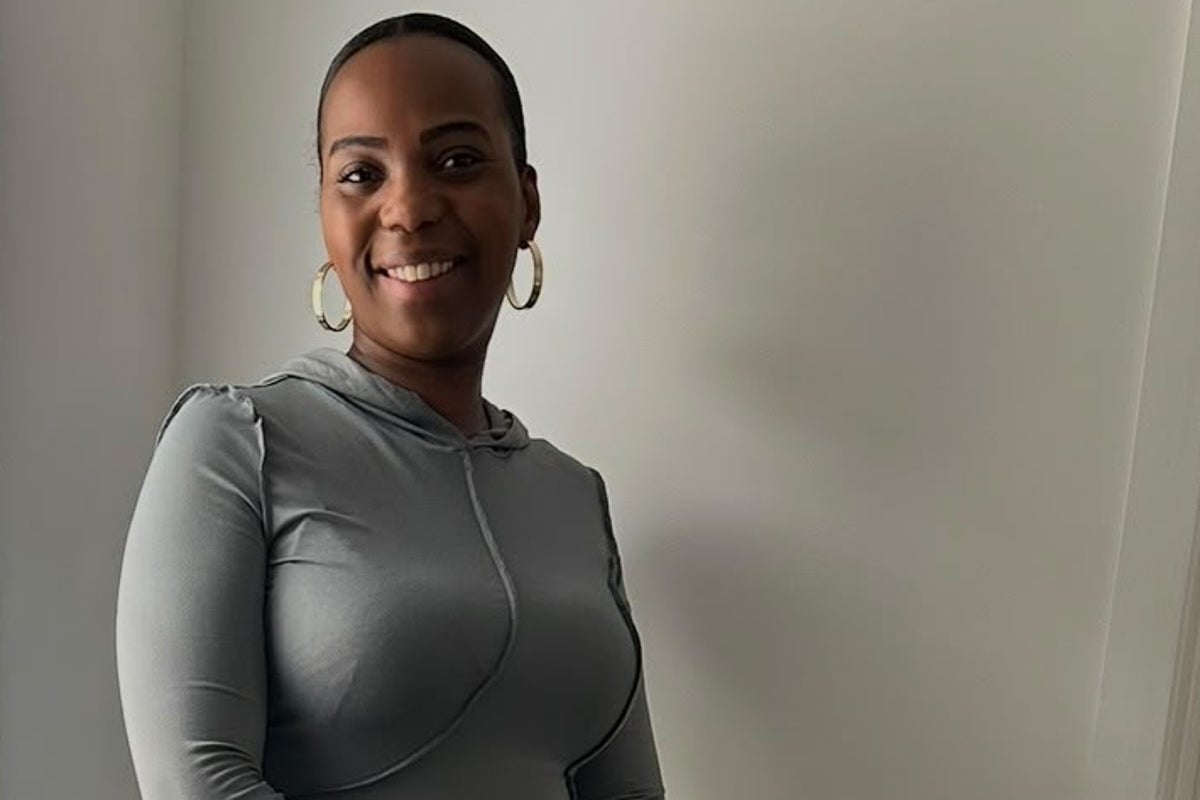
Sophia Hulse was 39 when she started visiting her GP regularly for various symptoms: migraines, incontinence and pain. Each time, she was given a “quick fix” and told she’d be fine. Sometimes, there was a temporary improvement. Until “the symptoms came back 10 times worse”.
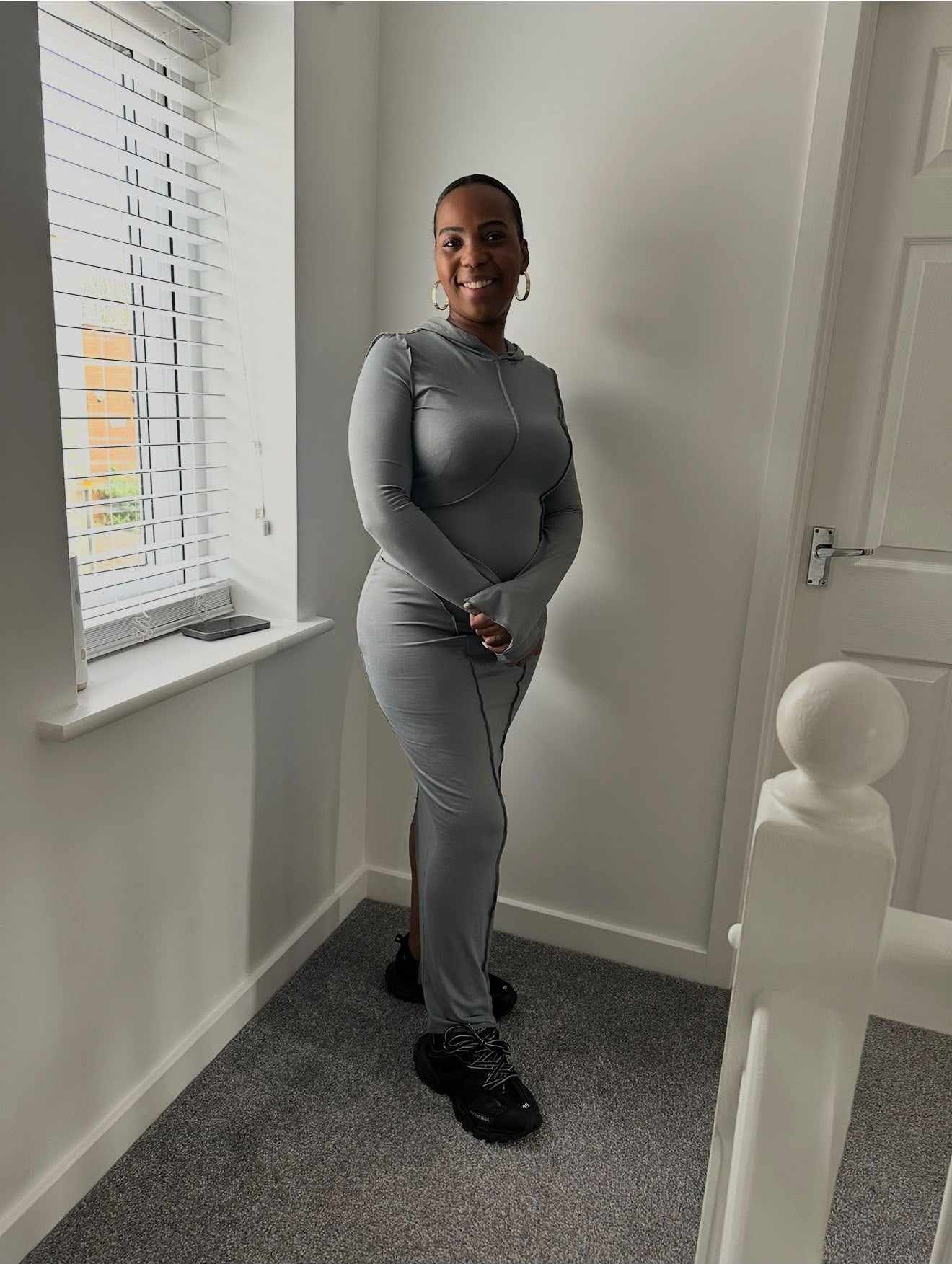 Sophia Hulse waited over a year for her myeloma diagnosis despite regularly visiting the GP with pain (Supplied)
A year later, she visited her GP three times in one week. She couldn’t move her right leg, and it got progressively worse. But she was told to work on her posture, use creams and see how she got on – even when she wasn’t able to walk. A few days later, she ended up in hospital.
An MRI scan showed her vertebra had collapsed, and she had three fractures in her spine as well as holes in her hip. A month later, on her daughter’s 16th birthday, Sophia, then 40, was diagnosed with myeloma – an incurable blood cancer.
“If I’d been diagnosed earlier, it wouldn’t have got to the point where my bones were breaking,” says Sophia, now 43. “I wasn’t listened to.” She believes it was down to systemic racism, where, as a Black woman, she wasn’t believed. “I was able to articulate my pain, saying I was at an ‘eight’ or ‘nine’ – but because I could talk, they didn’t believe me. Being Black, it feels like you have to prove your pain to be taken seriously.”
Sophia’s experience is not an isolated one. Black people in the UK are two to three times more likely to have myeloma than white people – and yet they face disproportionate challenges to get diagnosed in time and keep their cancer at bay.
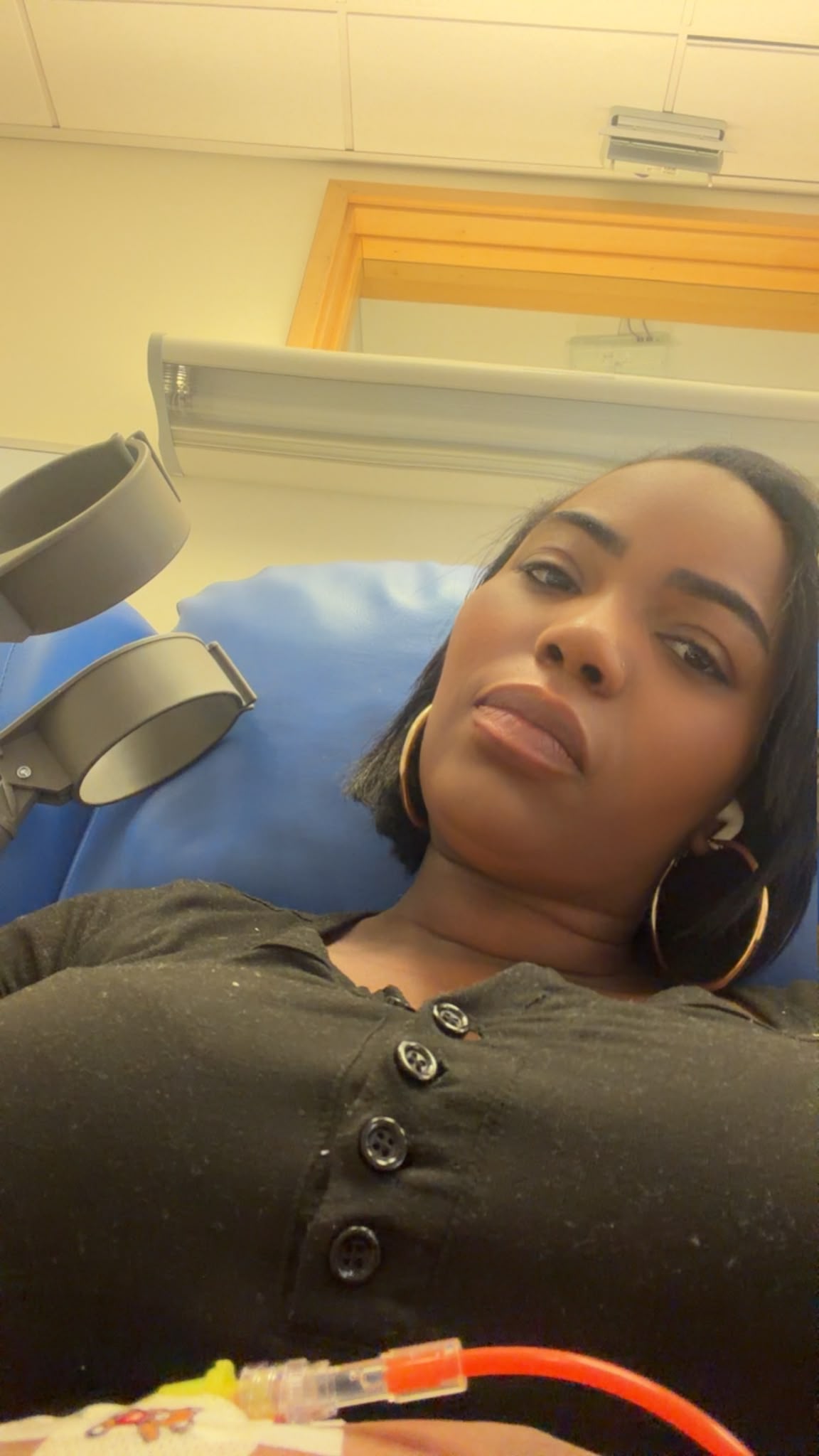 Sophia is now receiving treatment for her myeloma – but feels her concerns weren’t taken seriously (Supplied)
A landmark report from Myeloma UK has found around half of all myeloma patients face more than five months to get diagnosed, and among those experiencing the longest diagnosis delays, Black people wait around 15-20 per cent longer than white people.
“In the Black community, a lot of us try not to go to the doctor – there’s a taboo around taking tablets and going to the GP – but when we do, there’s a reason,” says Sophia. “My GP made me feel I was making things up.” Even when she called for an ambulance, she was told to speak to a doctor before the ambulance could arrive. And at the hospital, she was left for hours before she was eventually sent for an MRI scan.
“I wasn’t taken seriously,” she explains. “I was left in my own urine. It was only when they realised I had no control that they took me for a scan. When they found something, I was relieved. It proved I was right all along when I’d been saying something was wrong.”
The “Knowledge is Power” report found that Black people who were eventually diagnosed with myeloma reported not feeling heard or listened to by doctors, which led to feelings of mistrust and miscommunication, as well as reports that their pain thresholds weren’t taken seriously.
There’s no two ways about it: the Black community is being let down
Pippa Foster, Myeloma UK director
It also discovered that Black communities are widely underrepresented in clinical trials. There are over 35,000 people living with myeloma in the UK and even though Black people account for 5.4 per cent of myeloma cases, just 2.2 per cent of participants enrolled in UK clinical trials for myeloma are Black.
“There’s no two ways about it: the Black community is being let down,” says Pippa Foster, a director at Myeloma UK. “While Black people are at higher risk of myeloma, they are more likely to be diagnosed late and face tremendous challenges to get the right diagnosis and support. What this research has shed light on is not only the colossal barriers black people face but the lack of consistent and accurate data collected by the NHS on how myeloma affects them specifically, from diagnosis through to treatment and beyond.”
Myeloma is not the only cancer that Black people are disproportionately affected by – Black people have higher incidence rates of prostate cancer, Hodgkin lymphoma, some gastrointestinal cancers and thyroid cancers. The reasons are complex and multifactorial, likely involving a combination of genetic, biological, environmental, social and healthcare-related factors.
Delays with diagnoses are also common for people of colour. A 2023 BMJ study analysed patients newly diagnosed with cancer in England from 2012 to 2016 and found Caribbean and African women were significantly more likely to be diagnosed with late-stage breast, ovarian and uterine cancer compared with white British women. Asian women had increased odds of late-stage breast and ovarian cancer.
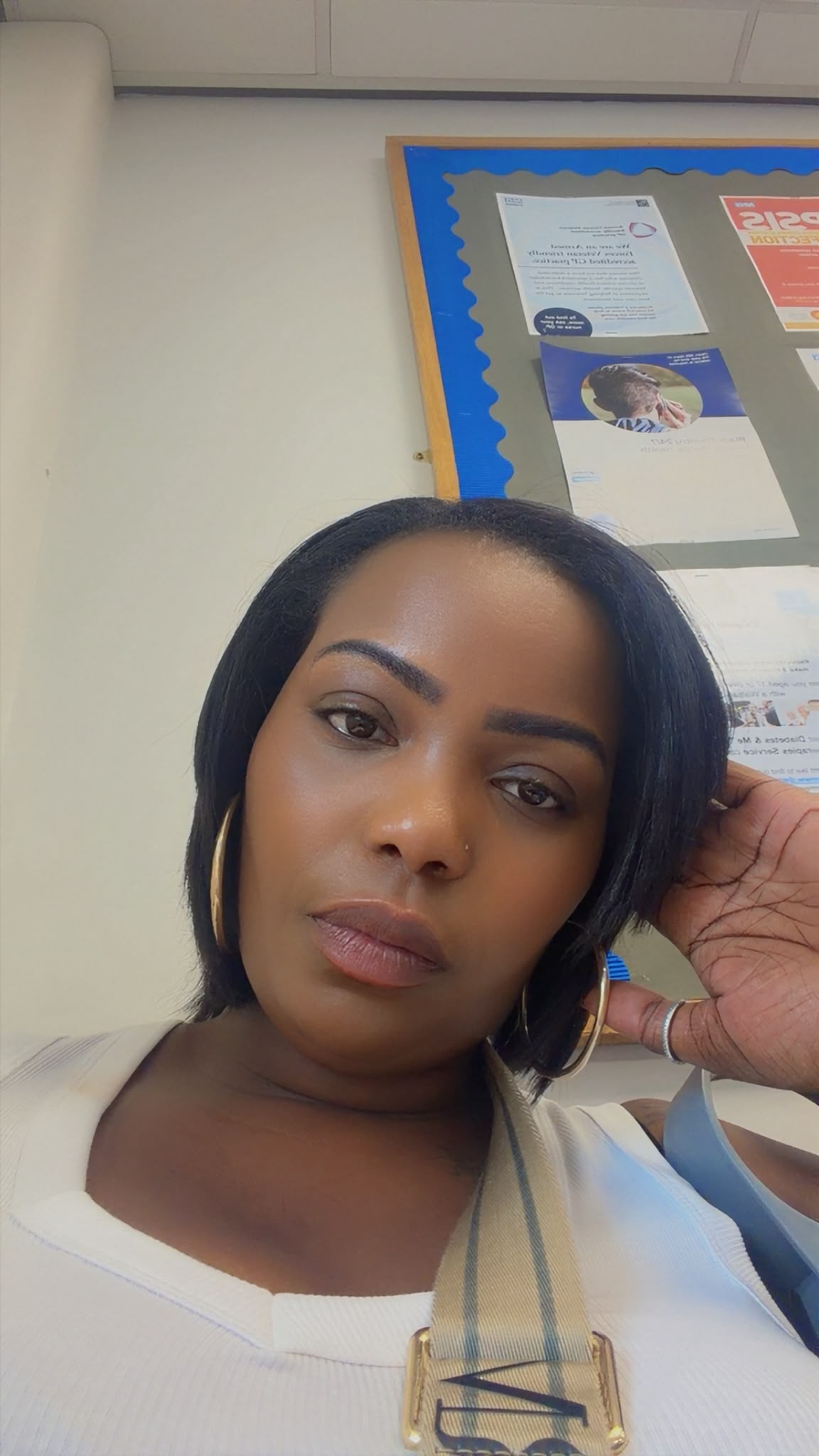 Sophia Hulse now has to take painkillers regularly to cope with the pain in her hip and spine (Supplied)
Karis Betts, inequalities lead at Cancer Research UK, said: “We know that Black people are at higher risk of some cancers, including myeloma. Unfortunately, they can also face additional barriers to accessing healthcare and are more likely to need to visit their GP multiple times before being referred for tests. This is unacceptable.
“Everyone has the right to high-quality cancer care, regardless of their ethnicity. We need to tackle these barriers and make sure everyone can access the care they need. If people notice something that’s not right for them, they should talk to their doctor. Spotting cancer early means treatment is more likely to be successful.”
For Sophia, the delays in diagnosis have been life-changing. While myeloma is incurable, it is treatable in the majority of cases. Treatment can lead to periods of remission but the cancer will inevitably come back.
Since her cancer was diagnosed, Sophia has had stem cell therapy, two major surgeries on her hip, and as she’s high-risk, she’s continuing treatment even though her myeloma is currently undetectable.
Being Black, we don’t seem to speak about what we go through as much. But don’t be scared, it’s OK to ask for help.
Sophia Hulse
“My pain will never go now,” she says. “I’m still using an aid to walk. If they’d listened and done a blood test or an MRI scan when I first had symptoms, I wouldn’t have reached the point of breaking bones where I now have a nail in my hip and a spine that plays up. I’ve got kids and a grandson – but I can’t do what I want to do.”
She put in a formal complaint regarding her GP and was told the surgery will use her as an example of how to treat patients moving forward. It doesn’t change her outcome, but she hopes it will lead to positive improvements in the future, and that it helps raise awareness of myeloma, which is the third most common blood cancer, but one of the most difficult to detect, as its symptoms are often linked to general ageing or minor conditions.
“I just hope that from now on, people don’t need to fight to be heard or believed like I was,” says Sophia. “Being Black, we don’t seem to speak about what we go through as much. But don’t be scared; it’s OK to ask for help. You’re not on your own.”