
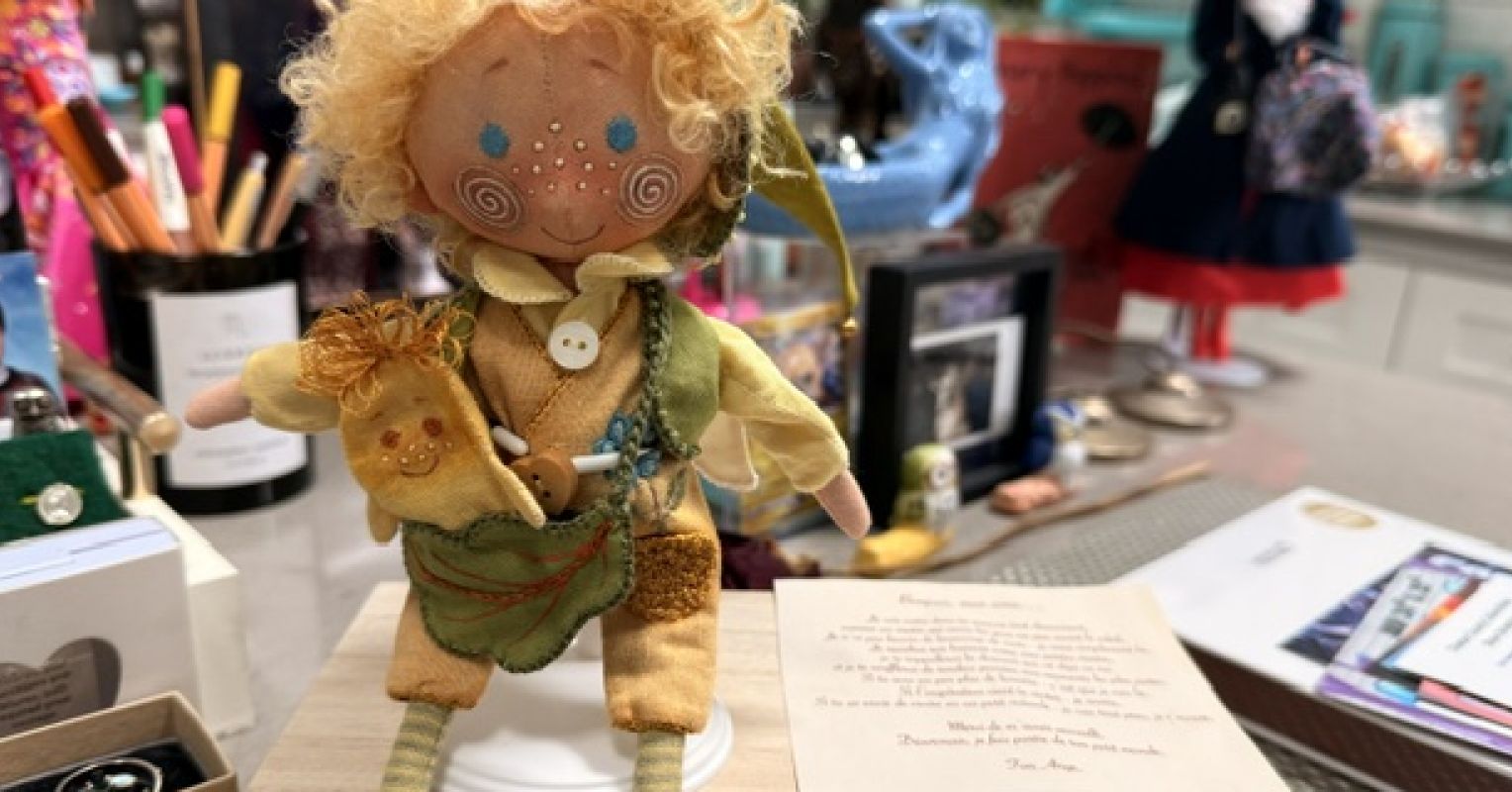
I so often get questions from the public or my colleagues in the field asking, What is it that you do? What is a Toy & Pop Culture Analyst? Is that a real job? Do you play with the toys or display them?
There’s a range of answers to this question, but let’s start at the beginning. Throughout the lifespan, researchers have noted, play is critical to mental health, creativity, cognitive flexibility, and well-being. And yet, we often view toys as being only for children. That is where the disconnect is for the general public, but also the toy industry. In recent years, post pandemic, the nostalgia boom across industries has certainly centered play and longing for simpler times as adults now have surpassed children in collecting and purchasing toys.
For me, it’s not that adults have surpassed the key demographics and that this discovery warrants longitudinal research but that we collectively have designated toy play as child development, excluding key research and also simply excluding an audience through the microaggression that as we age, play is designated to vacations, social outings, or job satisfaction, ignoring the critical elements that material culture research have often shown us: that items hold meaning and are a form of expression.
That is where my job comes in. I research national trends of play and creativity over the lifespan and also work with companies, marketing professionals, toy designers, and culture outlets to advise how toys and play can be incredibly lucrative while also being inclusive of various audiences. Questions such as, Do dolls need to be sold as a girls item or can we be more gender expansive, and simply have the toy isle and product line sold as dolls for all people? Can toys marketed at adults capture the essence of collectability while also scaling design and materials to match an adult collector’s excitement for expression? Even ensuring companies consider questions about including audiences in their toy lines through lived experiences, such as people living with a disability, gender inclusion, and race and ethnicity as culturally humble approaches to the designs and characters they are marketing. It’s not all fun and games, but it’s quite endearing, more so when I walk into a toy aisle and see the work translated into something children and adults alike can explore. But it also shows up in personal ways, which is my why when it comes to this work.
Recently, upon Dolly Parton’s death, I felt a great deal of disenfranchised grief and mourning, and I of course displayed her records and played them as I contemplated her legacy, but also, there were Funko Pops, a mug, and most importantly, a doll my late father purchased my mother of Dolly Parton at a toy show in the 1990s. As a child I was in awe of it, and as an adult, displaying it brought me a sense of peace in the loss of Dolly, but so did remembering my father’s love of play and my mother’s inclusive approach to dolls, noting toys are for play, not for restricting us. In considering my work as a toy analyst, this doll is a piece of material culture that resonates with me in various parts of my life and brings me comfort. While most may consider the doll itself as for children, I’d consider it a psychological tool for transferring my emotions to and through it to better understand my world. Winnicott’s work on transitional objects, and how it extends into adulthood, is a core part of toy analysis and understanding.
This is a small example of the many ways toy analysts examine the world around us or work with companies to better understand the intention and impacts of play. There are very few researchers and professional toy analysts, as the field is somewhat multidisciplinary between marketing, psychology, social stigma, and growing shifts in social psychology toward inclusion.
I hope today that you may stroll through the toy aisle, garage, attic, flea market, toy show, or local comic shop and allow yourself to shed what social stigma or fear you have of judgment, and allow yourself to find play, model for yourself and others what form your adventure can take, be it a small knick-knack on your work desk, or a carefully curated collection of thousands of action figures, dolls, die-cast cars, or games. The point is not to weed out joy, but to weed in what it could look like for you to engage with toys as they were always meant to be: for creativity, neurodevelopment, or simply expression.
Today, I think I’ll pop open this vintage Mary Poppins book on a cold, rainy Monday while taking a moment to enjoy the vintage Mattel Mary Poppins doll I had as a child, which now brings a sense of warmth as a display item. My sense of play has grown, but adults don’t need to “grow up and out” of it; we simply need to allow ourselves to evolve with play. As we do, the world shifts in our collective ideas of what toys can do, and maybe, just maybe, toy analysts can then find even more ways to research and open doors for us all. For today, let’s simply play. Don’t toy with me is my favorite saying, and now I think you may see why.