
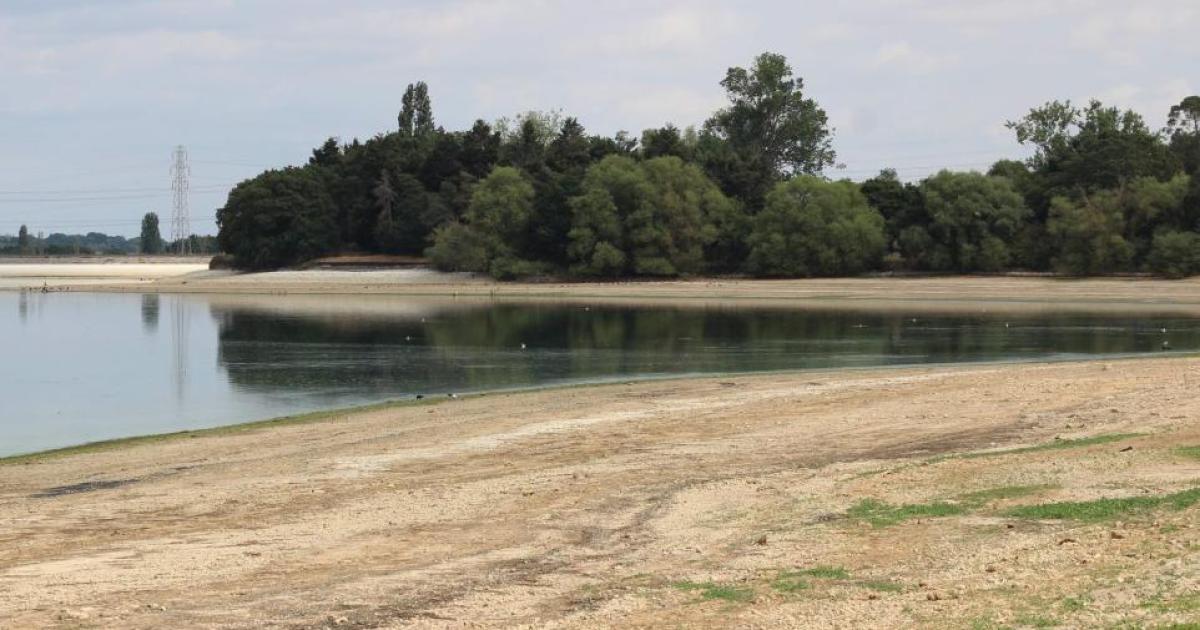
Essex & Suffolk Water put a Temporary Use Ban in place on August 3, asking customers to limit non-essential water use due to ongoing drought conditions.
Demand has fallen by seven per cent since the ban began, but reservoir levels remain below average at 46 per cent.
Essex and Suffolk Water said warm weather expected in the coming week could put further pressure on supplies and the environment.
Water director Kieran Ingram said: “We’re incredibly grateful to our customers for the efforts they’ve already made to save water.”
He said: “The seven per cent reduction in demand we’ve seen since the Temporary Use Ban was introduced shows what can be achieved when we all work together.”
Mr Ingram said: “However, while recent rainfall has been welcome, we’re not out of drought conditions yet.”
He added: “The reality is that every drop saved today will help protect water supplies for next year and beyond.”
The company said environmental effects could continue after dry weather has ended.
Mr Ingram said: “The environmental impacts of drought don’t disappear overnight.”
He said: “While many people will have seen the effects of the dry weather over the summer, the impact on wildlife, rivers and ecosystems can continue for years.”
Customers have been asked to reduce water use where possible. Suggested measures include taking shorter showers, repairing dripping taps and using only the water needed.
The company also recommends running full loads in washing machines and dishwashers, using eco modes, and turning off taps while brushing teeth.
People are advised to collect and reuse water for plants and gardens.
Essex and Suffolk Water said it had increased work to repair leaks, fixing 5,749 so far this year.
A spokesman said the repairs form part of a wider strategy to reduce water loss and protect supplies in the long term.
Mr Ingram said: “Small actions, such as taking shorter showers, fixing dripping taps and only using the water you need, can make a real difference.”
The company said every reduction in demand could help supplies recover, while rainfall alone had not ended the drought.