
Benjamin Fanjoy/Getty Images
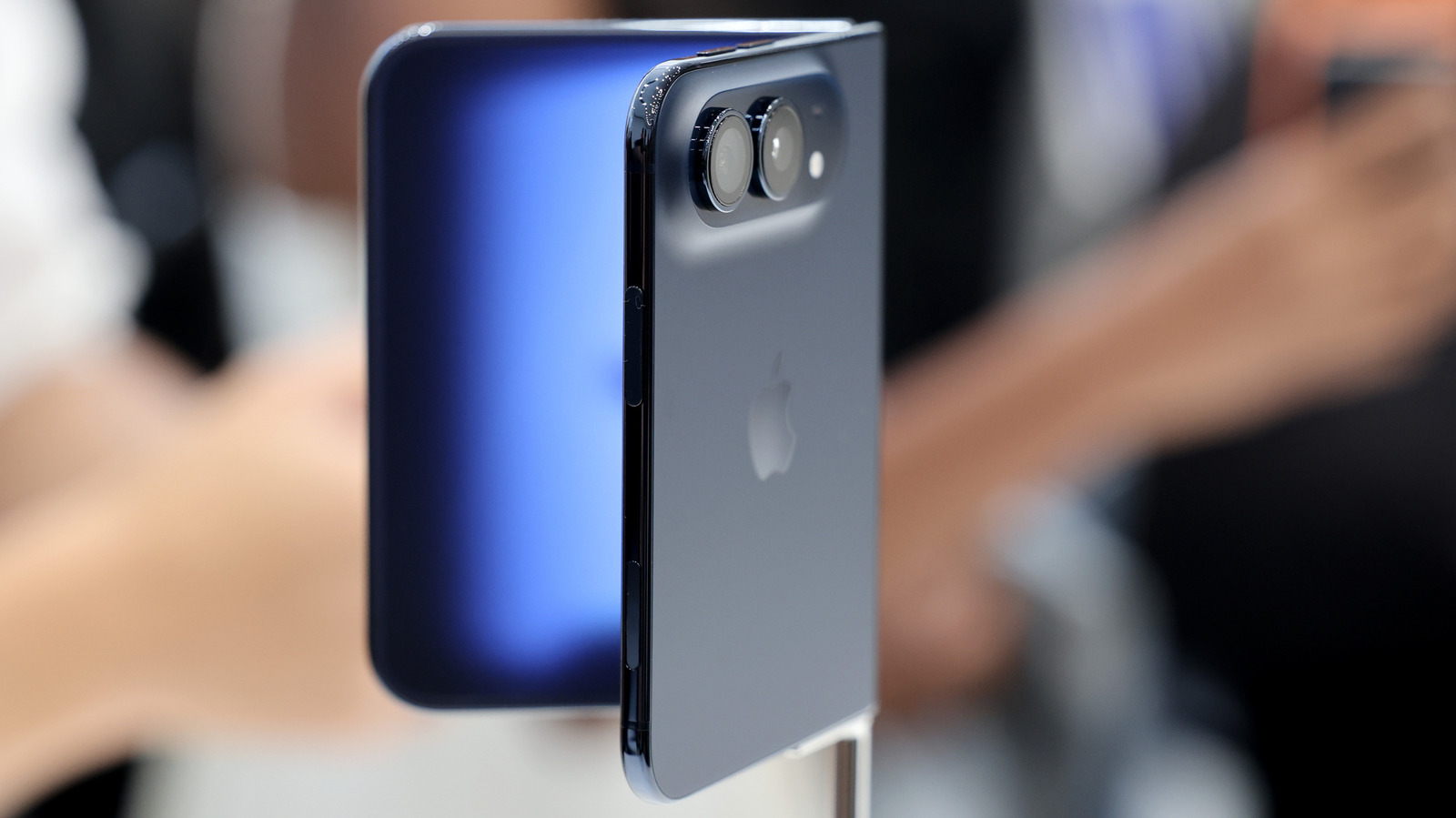
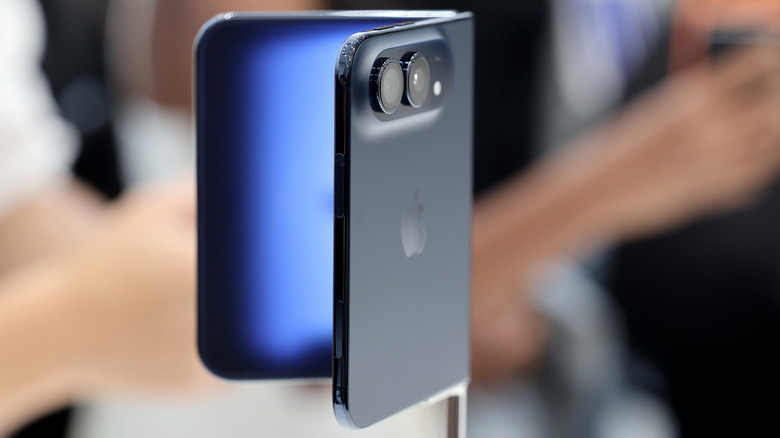
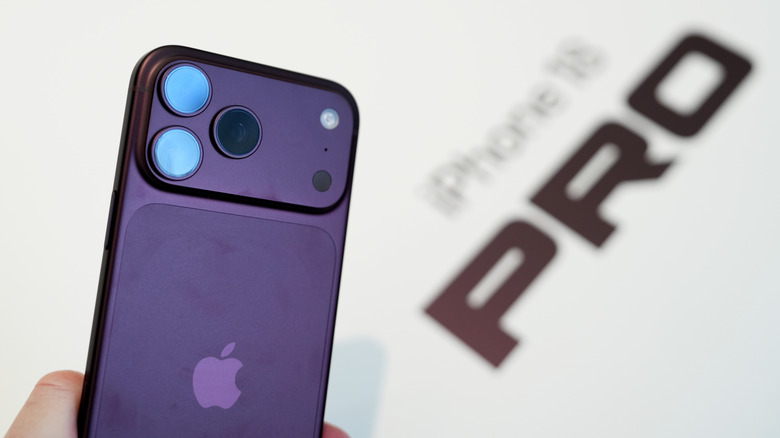
Apple launched the iPhone 18 Pro and its all-new iPhone Duo foldable in September 2026. Both come with iOS 27 preloaded and should receive software updates for many years to come. Apple doesn’t publicly state a specific number of years for software support for its handsets and other hardware, but looking at its track record allows you to estimate a timeline for major iOS and security updates. A reasonable expectation for major software support is around five or six years.
Recent iPhone models show that Apple continues to provide support well beyond a handset’s launch. The iPhone XS, XS Max, and XR, for example, launched in 2018 and received 2024’s iOS 18 update as their final major iOS release. Meanwhile, the older iPhone 7, which launched in 2016, received its final major update in the form of iOS 15 in 2021. It’s important to note that major iOS support is different from security support, with Apple continuing to release security updates for older devices long after they receive the last version of iOS.
The examples here suggest that the iPhone 18 Pro and iPhone Duo could therefore receive major iOS updates until at least 2031, with security updates continuing well beyond that. Of course, Apple doesn’t just decide on a whim to end major iOS updates for an older phone. It ultimately comes down to whether the phone’s hardware is able to support the demands of newer software. The processor and memory, in particular, need to be capable enough to run the latest iOS and its features without any issues.
What happens when your iPhone stops getting updates?
George Mattock/Getty Images
If you keep your iPhone for many years, eventually it’ll no longer be able to download the latest major iOS update. As a result, you won’t get all the latest features, though the handset can remain perfectly usable for several more years at least. Importantly, to keep many older iPhones safe, Apple continues to release new security updates beyond the final major iOS update for its older handsets, though even these security updates will eventually end.
While an older iPhone that no longer receives major iOS updates will continue to function, it won’t receive improvements or new features like the latest AI smarts and interface updates. You can still rely on the operation of core functions like calls, messages, web browsing, and photography, though, so if you’re happy with that, there may be little reason to upgrade to a newer iPhone.
It can become more complicated, however, if a developer stops updating their app for your older version of iOS. That means you won’t be able to download the latest version of an app, causing you to miss out on new features, bug fixes, and security updates. The version you have may continue to work, but it won’t receive the same updates as the current release. This can become a problem over time, especially if the app has a security issue that’s only fixed in a newer version that your older iPhone can’t install, or worse, if the app ceases to function altogether. But if you have an iPhone 18 Pro or iPhone Duo, you don’t need to worry about apps becoming obsolete anytime soon. Just be sure to keep both your phone and apps updated to the latest versions for the best possible experience.