
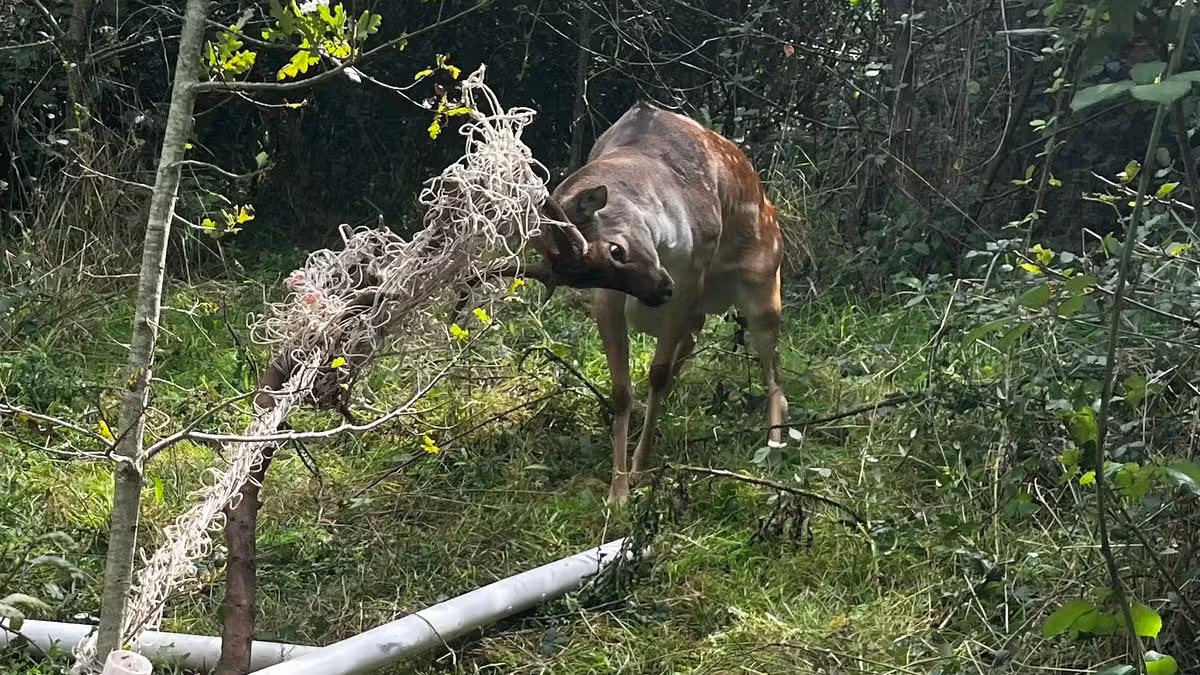
The distressed fallow buck was trapped by its antlers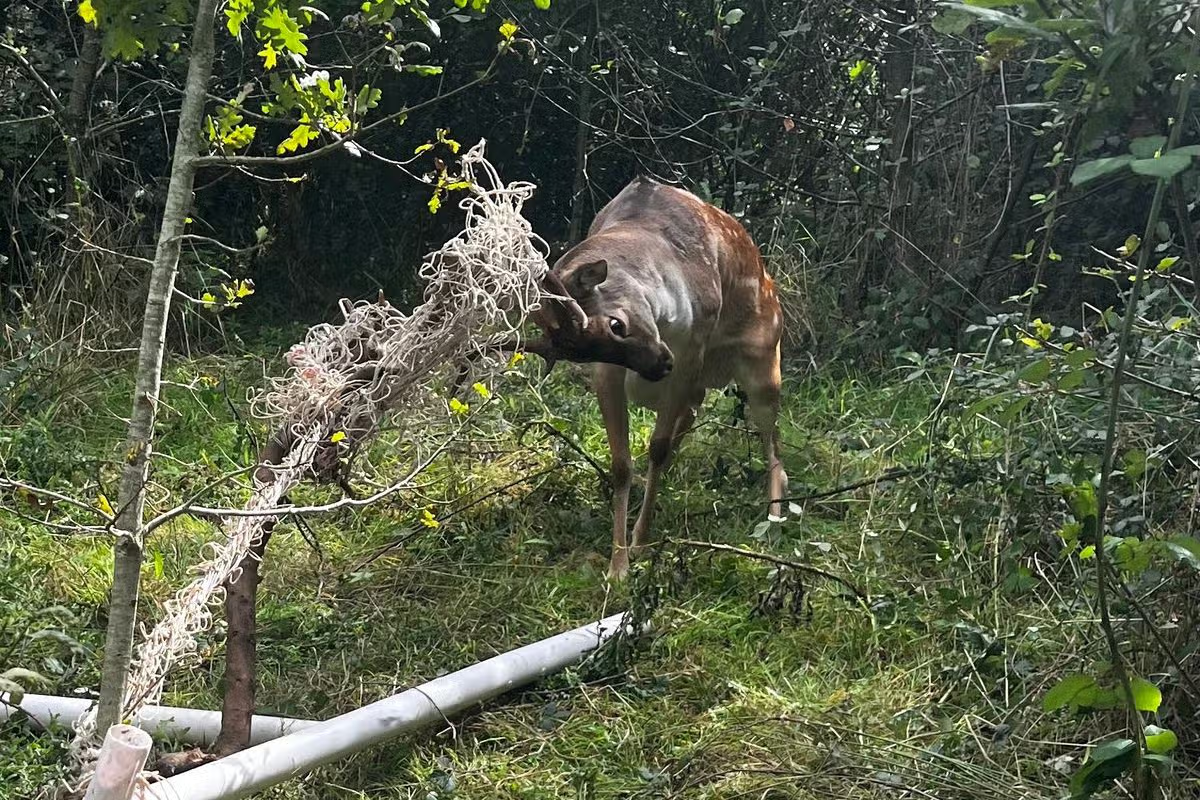
(Image: RSPCA)
The RSPCA is urging football players and grounds-people in Plymouth to secure or remove netting to help protect local wildlife after a fallow buck was spotted completely entangled.
The deer was discovered on September 17 at an embankment in a nature reserve, at the junction of Novorossiysk Road and Forder Valley Road.
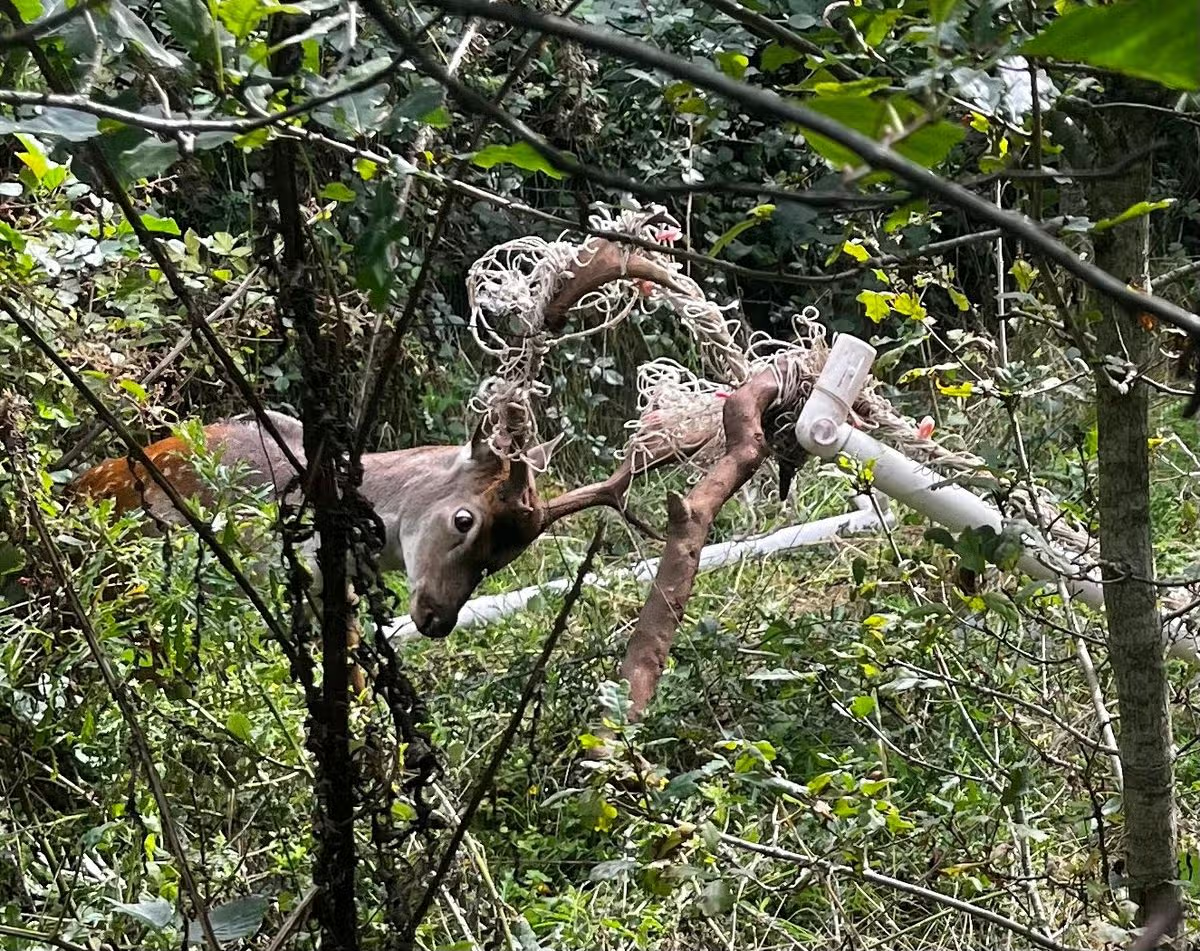
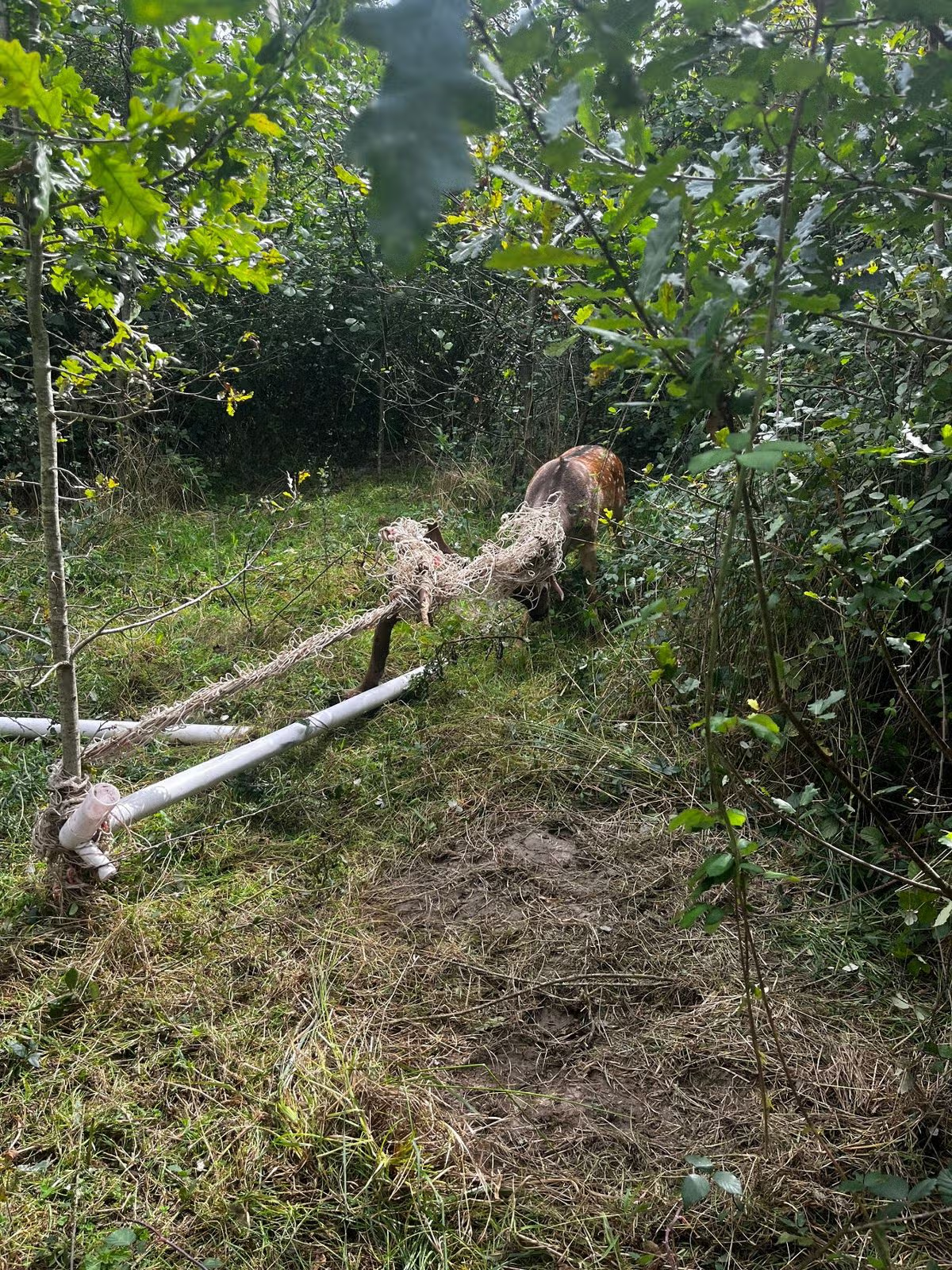
The buck had become tangled by his antlers in a large section of football netting, with the goal posts still attached. A large log had become caught in the netting, with the whole mass having become tightly tangled around a tree.
The deer had been spotted in the area the previous day by a couple who had seen him being chased by a dog into the nature reserve. They returned and found him struggling in the netting, and contacted the RSPCA.
RSPCA Inspector Sarah Morris attended and carefully cut him free from the bulk of the netting. After checking the deer to ensure that there were no further welfare concerns, the buck ran off back into the nature reserve.
(Image: RSPCA)
Insp Morris said: “This poor deer had clearly been through an incredibly stressful ordeal. He was completely tangled in the football netting, which had become tightly wrapped around the tree, with goalposts and even a log caught up within the mass.
“He had been thrashing around trying to free himself and was exhausted by the time we arrived. Thankfully, I was able to approach him carefully and cut away the netting without causing him further distress.”
The RSPCA is now reminding people of the simple ways in which everyone can help wildlife, including securing or removing loose netting and other materials when not in use, as well as ensuring dogs are kept under control when in the vicinity of wildlife and livestock.
Insp Morris added: “Netting can be particularly dangerous for wildlife, as animals can become caught very quickly and may struggle for hours trying to free themselves.
(Image: RSPCA)
“We would urge people to make sure football nets and other types of netting are securely stored or removed when they are not being used. It only takes a few minutes, but could prevent an animal from becoming trapped, and could even save their life.”
Anyone who finds a wild animal in distress is advised not to put themselves at risk, and to contact the RSPCA for advice and assistance on the best way to help.