
Credit: Far Out / Public Domain / NBC Television
Sun 4 October 2026 21:30, UK
If there was anyone capable of turning existential suburban dread into a pop banger, it was Gerry Goffin and Carole King.
From ‘Will You Love Me Tomorrow’ to ‘The Locomotion’, the two had spent the early 1960s churning out a steady roster of pop classics from the upper echelons of the Brill Building in New York, and by ’67, they were beginning to have something to show for it. So, the duo did what any person might reasonably do after becoming successful and bought a house, landing on one in the sleepy township of West Orange, New Jersey.
Having spent years wrapped up in city life, writing songs about love, heartbreak and teenage yearning, Goffin now found himself staring out at the rather more dull cultural phenomenon of the American suburb: manicured lawns, shiny cars, swimming pools and all.
One of the major roads running through West Orange was called Pleasant Valley Way, a phrase Goffin latched onto, given that he was, in fact, not having a pleasant time of it at all. Isn’t ‘pleasant’ a funny word? Not exciting or brilliant or extraordinary, just ‘pleasant’. Manicured. It was the perfect phrase to sum up this new form of suburban suffocation he had somehow entangled himself in.
With King supplying the music, they turned these feelings into ‘Pleasant Valley Sunday’, a gloriously chirpy, sunny track about the suffocating conformity lurking between the gleaming white fences and manicured gardens of suburbia. With its lilting lines “See Mrs Grey she’s proud today because her roses are in bloom / Mr Green, he’s so serene, he’s got a TV in every room”, it really is in many ways the 1960’s answer to Yard Act’s breakthrough track ‘Fixer Upper’.
King recorded a demo of the track later, included on the 2012 compilation album The Legendary Demos, for The Monkees at a slower tempo and with a different bridge, but this was ultimately changed by The Monkees’ producer Chip Douglas when they decided to take on the song, apparently at King’s disapproval.
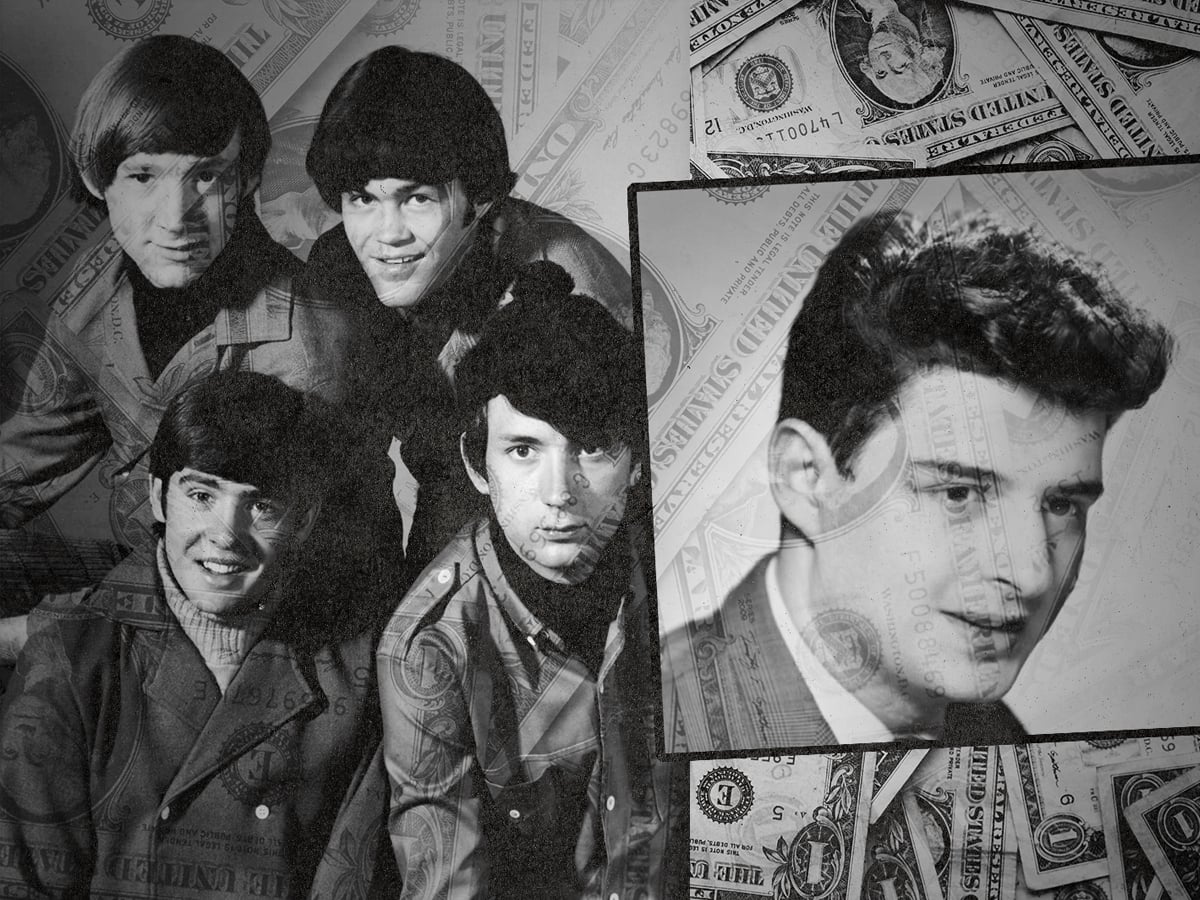
Despite being a manufactured pop phenomenon themselves, assembled for television and catapulted into the homes of millions of Americans, somehow The Monkees did manage to stop the track from sounding like four millionaires complaining about their problems. Micky Dolenz delivers the lyrics with a wonderfully breezy, almost mischievous energy, while Michael Nesmith’s guitar gives the whole thing an abrasive edge, just enough to alert us to the fact that the track is not the wholesome suburban sing-along the melody suggests.
Further reading: From The Vault
Then there is the ending: rather than simply fading out the track like respectable pop people, Douglas and engineer Hank Cicalo kept piling on reverb and echo, pushing the sound further and further into obscurity until the whole thing dissolved into a psychedelic haze, making a tear in the shining protective dome of this middle-class hellhole.
All of this irony seems to have been rather lost on journalists at the time, who described the song as both a “strong, easy rocker” and “an up-tempo happy-flavoured ditty celebrating summertime activities that are regarded as All-American and quaint”, worlds away from the emptiness that inspired it.
