
Livaux emerged as the winner against two other ingredients, Gyntima Menopause from AB-BIOTICS and HOWARU Smile from IFF Health Sciences, at the 9th NutraIngredients-Asia Awards ceremony held in Bangkok, Thailand, on September 2.
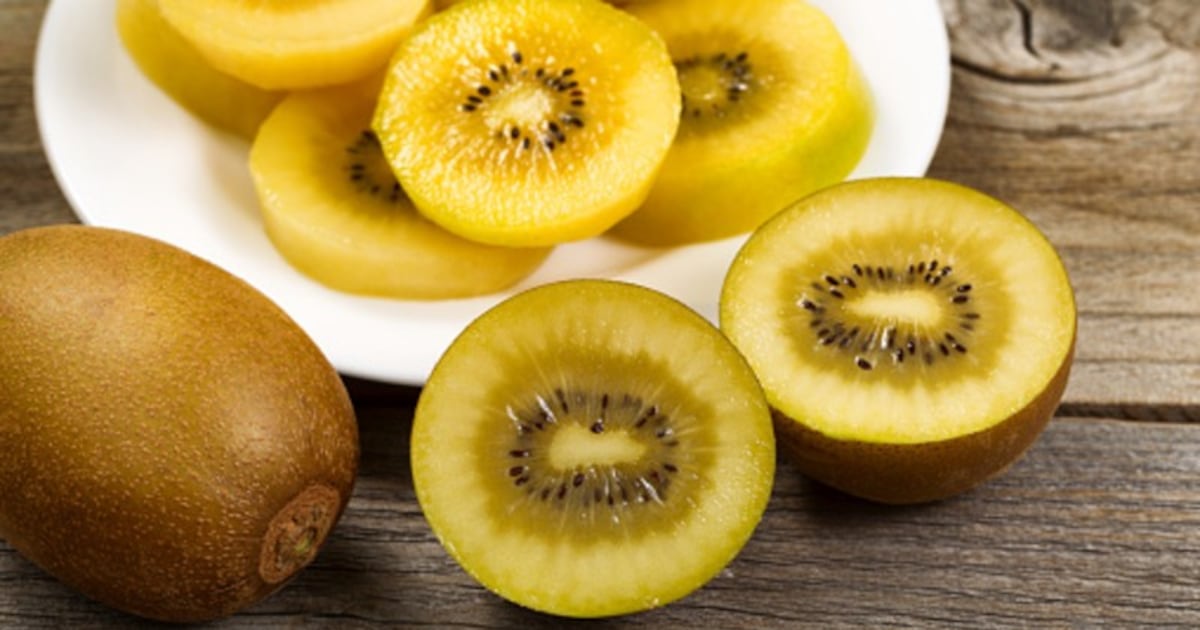
The prebiotic, derived from non‑GMO New Zealand gold kiwifruit, comprises complex fibres, pectin, polyphenols, vitamins and high-methoxyl pectin (HMP).
This composition is said to make Livaux different from 1st- and 2nd-generation prebiotics, which are rich in dietary fiber but may not contain other active compounds.
A comparison study by Anagenix reported that Livaux contains 41 unique phenolic compounds across 27 classes, surpassing the amount found in other prebiotics such as chicory root inulin and the combination of inulin and oligofructose, which contain nine and seven phenolic compounds, respectively.
The test samples were extracted using water/acetonitrile and dichloromethane/methanol to capture compounds with different polarities, then analysed by high-resolution electrospray ionization quadrupole time-of-flight (ESI-QTOF) mass spectrometry.
Most compounds detected in Livaux were phenolics, alongside other naturally occurring small molecules.
In a separate test measuring Livaux’s extractable and non-extractable polyphenol fractions, the company found 90% more non-extractable than extractable polyphenols.
This is also the reason why the company is positioning Livaux as a third-generation prebiotic, as it retains a broader fruit matrix of complex fibres, polyphenols and other naturally occurring compounds that can interact with the gut microbiome.
“Livaux is a New Zealand gold kiwi fruit, and it is a whole fruit, and we retain a high level of nutrients from the fruit, which contains high-methoxyl pectin (HMP), extractable and non-extractable polyphenols, fibre, vitamins, minerals, and all these bioactives are naturally occurring in the fruit itself, and we have processed it using a proprietary method that retains all nutrients,” Elizabeth Tay, marketing and science director at Anagenix, told NutraIngredients.
“The fruit fibre itself also protects polyphenols from being digested or broken down in the stomach and in the upper gastrointestinal tract, so it actually takes polyphenols and non-extractable polyphenols right through to the distal part of the colon where they are released and we believe that’s one of the key reasons we are seeing increasing Faecalibacterium prausnitzii and butyrate production,” she added.
In fact, Anagenix is working with parties such as the Global Prebiotic Association (GPA) and industry peers to champion the concept and to define 3rd-gen prebiotic.
A challenge with first- and second-generation prebiotics is that they are simple fibres and are fermented quickly in the colon, which can cause bloating and discomfort, Tay added.
From fiber to polyphenol study
Since Livaux contains beneficial compounds such as polyphenols, the company plans to find out what other beneficial metabolites it produces, as well as how much polyphenols it can preserve.
“The next leg of research for us is to understand these non-extractable polyphenols a lot more and also what metabolites are being produced as a result of the bacteria consuming these non-extractable polyphenols,” said Tay.
The company is also studying how Livaux could mitigate digestive discomfort associated with GLP-1 medication amid growing GLP-1 use.
It is currently running a consumer test on Livaux and GLP-1 and the test is expected to be completed in the next two months.
Watch the video to find out more.