
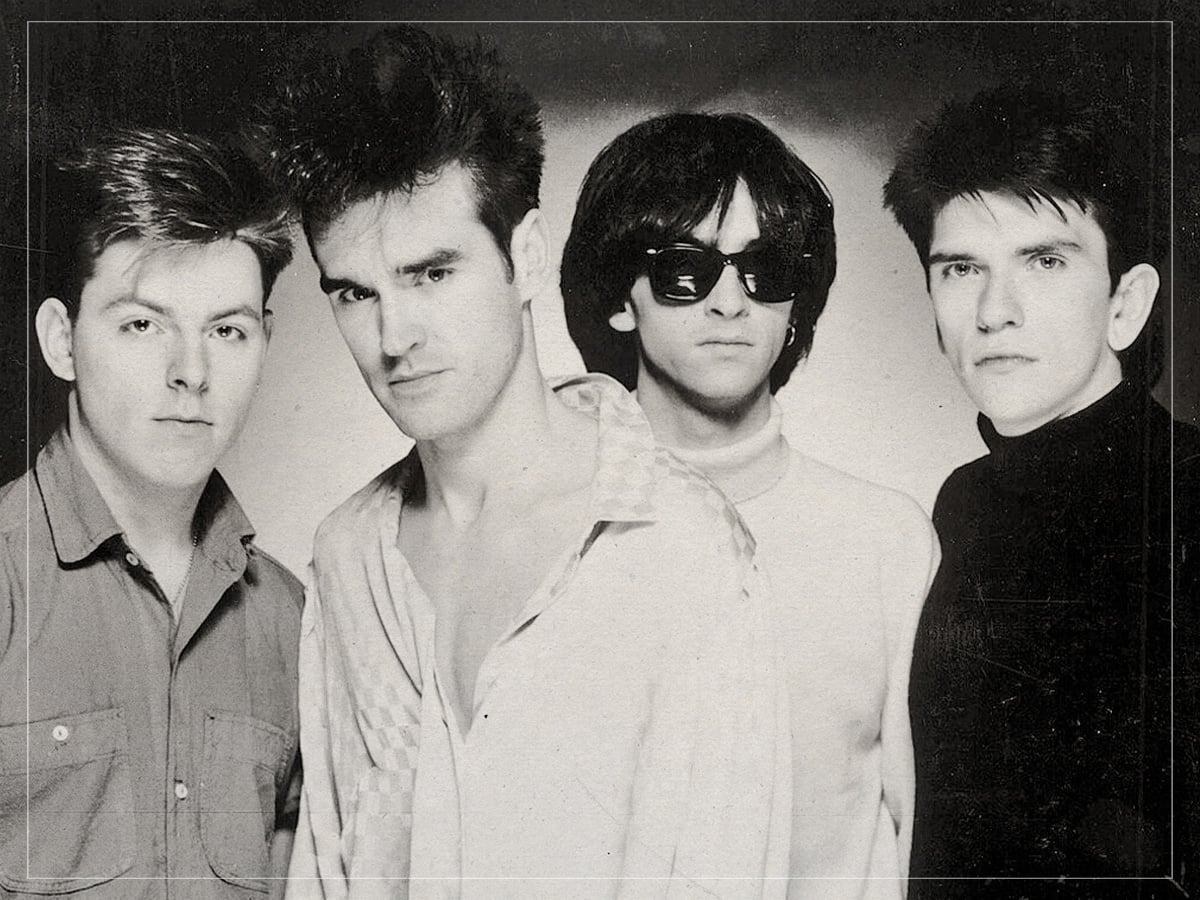
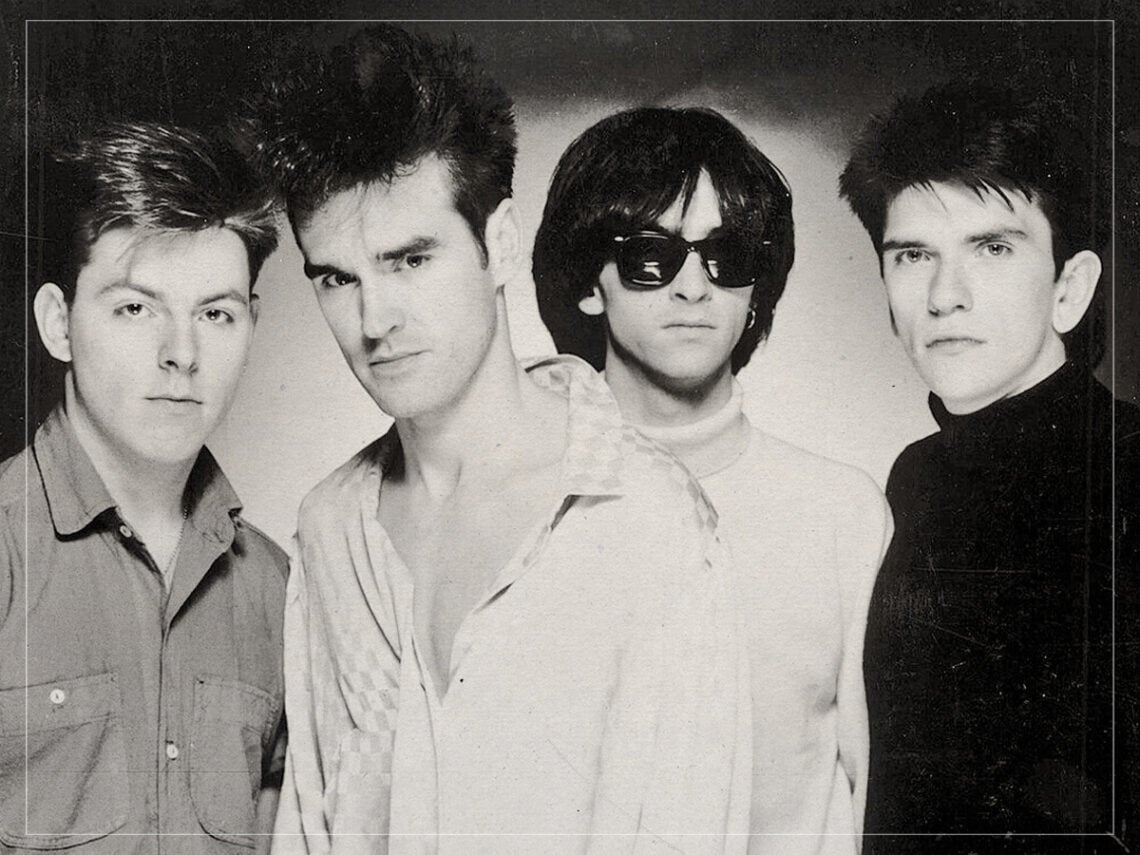
Credit: Far Out / Paul Cox / Sire Records
Sat 10 October 2026 8:33, UK
One of the major reasons why the musical legacy of The Smiths is untarnished is that they split up just at the right time before the magic faded, which few bands ever do.
In a parallel timeline where they never broke up, The Smiths are about to head out on a 40th anniversary tour in celebration of The Queen Is Dead. In this fictional timeline, they had a disappointing decade in the 1990s and have clung on to past glories for relevancy in the hope of making fans forget about said decade. Thankfully, none of this transpired because they called it quits before the music began to suffer.
Considering everything they achieved during their time together, it’s remarkable that Johnny Marr was just 23 when The Smiths parted company. It was a brave decision to make, but one that he knew was the right one, even if it was scary to have his whole life ahead of him with no concrete plan.
After five years without taking a moment’s breath from the never-ending carousel, The Smiths desperately needed to take a break in 1987 following the recording of Strangeways, Here We Come. At this time, nobody expected that they’d break up within months, which proved to transpire.
Marr was out of energy, and the only thought that was occupying his mind was taking a holiday rather than returning to the studio. However, before the opportunity arose for him to take a flight to a sun-soaked destination, Marr was dragged against his will to another recording session to make the B-sides for ‘Girlfriend in a Coma’. Little did he know it then, but when he walked through the doors of Firehouse Studios in May 1987, it would be the last time they’d make music together as The Smiths.
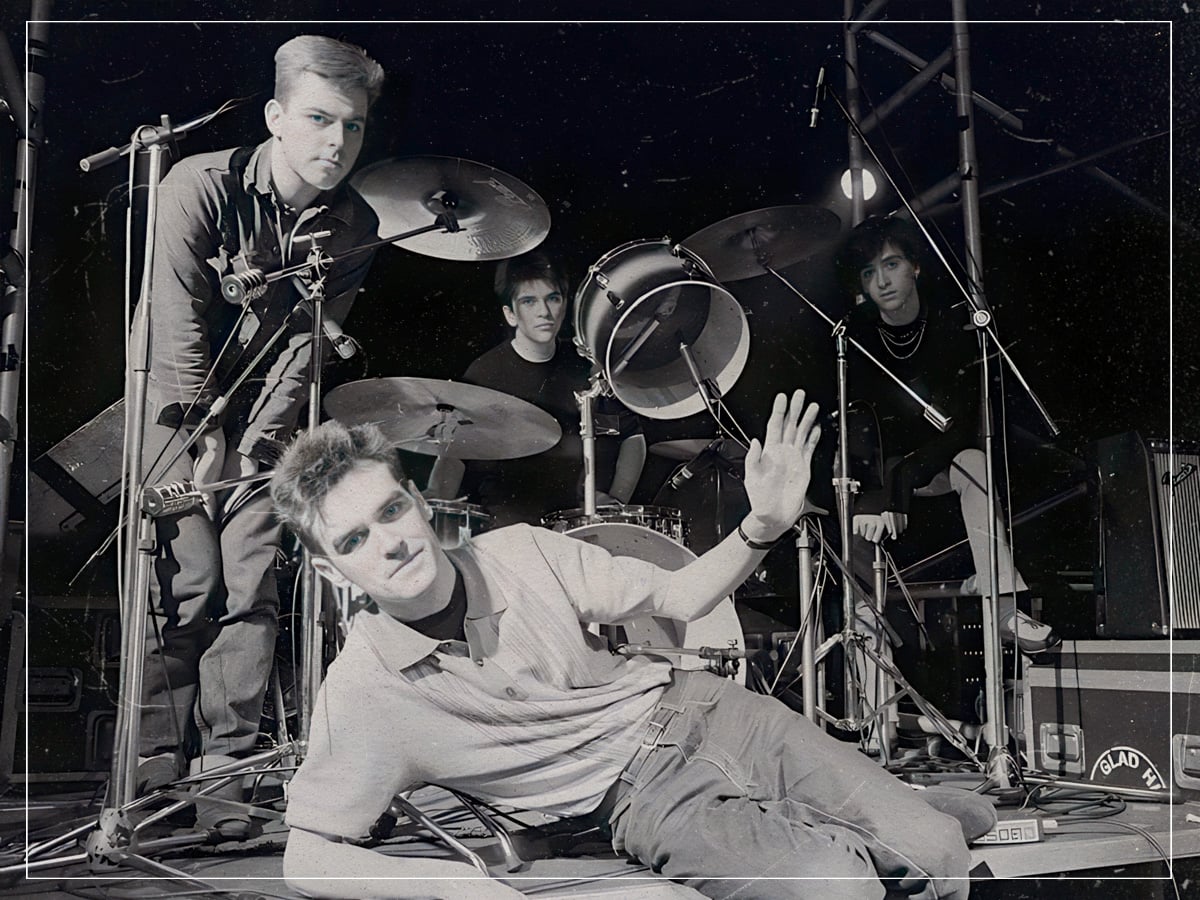 Credit: Far Out / Alamy
Much to Marr’s frustration, The Smiths were set to record two B-sides rather than one for ‘Girlfriend in a Coma’. Marr had come to the session with the new song ‘I Keep Mine Hidden’ while Morrissey insisted they also record a cover of ‘Work Is A Four Letter Word’ by Cilla Black. Despite airing his grievances, the song was recorded.
This is when the penny dropped that perhaps The Smiths should be no more. Speaking Record Collector in 1992, Marr said of the band’s dreary final recording session: “It was utter misery. The group were really falling to pieces. We’d finished making the record and I thought, ‘Right, now for the first time, I can have a couple of weeks away from the group’. That’s all it was. I wanted to get away and felt we should all have taken a holiday. I told Morrissey he needed a holiday.”
Further reading: From The Vault
He added: “The band put what I thought was really unfair pressure to come up with two B-sides for ‘Girlfriend In A Coma’. I fought hard against it.”
Although Marr was pleased with his contribution to the session, he “hated” ‘Work Is A Four Letter Word’, remarking, “That was the last straw, really. I didn’t form a group to perform Cilla Black songs. That’s the main thing.”
During their career, The Smiths recorded 74 songs, and Marr feels a sense of pride in 72 of those tracks. The other, which he considers equally dismal as their take on Black’s creation, is their 1986 cover of ‘Golden Lights’ by Twinkle.
Again, the obscure track was released as an unnecessary B-side to ‘Ask’, which was already accompanied by fan favourite ‘Cemetry Gates‘ on the flip side. Just like ‘Work Is A Four Letter Word’, it wasn’t needed, and the single would have been considerably better if it had never existed.
Marr said of ‘Golden Lights’ in the same Record Collector interview: “Yeah, that was another low point. Those are the two low points of our recording career, certainly. They’re really inferior, and don’t deserve a place alongside our own material.”
While B-sides offer the opportunity for acts to experiment in new areas and release music that may not be cohesive with a full body of work, Marr wasn’t in the business of novelty covers. In Marr’s mind, they are a small stain on an almost faultless discography, and more significantly, they demonstrated the creative differences that had crept in.
It was clear that something had to give, and if they were to carry on in a creative partnership, more arguments would, inevitably, be on the horizon. Most bands, in this position, are content with being discontent thanks to the financial rewards on offer, but Marr couldn’t bring himself to accept that.
After half a decade of relentless collaboration, without a misstep on the way, they were no longer singing from the same hymn sheet. Rather than elongate the inevitable end, they understood it was time to end The Smiths before they undid their previous work. It may have seemed, from the outside, like they quit too soon, but these two covers suggest it was the right call.
