
News india Cancer Drugs In India May Get 20-70% Cheaper As NPPA Approves Price-Cutting Move
Last Updated:October 09, 2026, 09:08 IST
The NPPA’s decision aims to make cancer treatment more affordable by curbing excessive trade margins, with patients expected to save around Rs 2,500 crore annually.




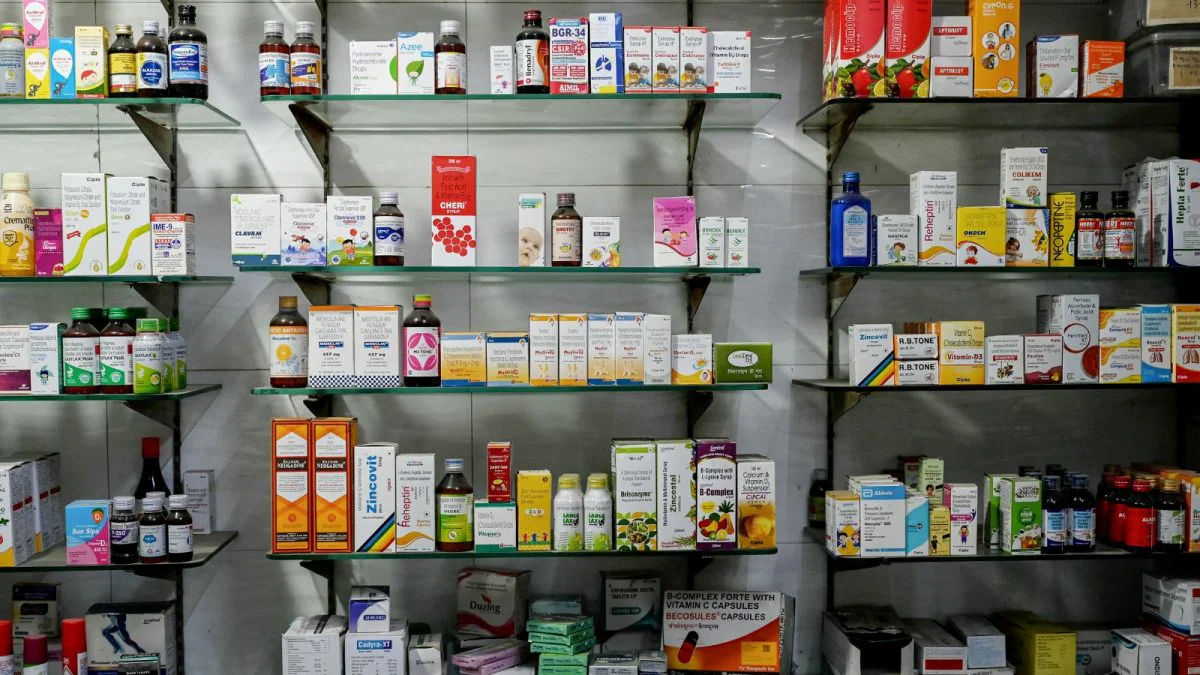
The NPPA has approved capping trade margins at 30 per cent of the MRP on identified non-scheduled anti-cancer drugs. (Representative Image)
Many cancer medicines in India could become much cheaper, with prices falling by 20 to 70 per cent, after the government’s drug pricing watchdog, the National Pharmaceutical Pricing Authority (NPPA), approved a cap on how much sellers can add to the price between the factory and the patient.
The authority has approved in principle a proposal to cap this difference, called the trade margin, at 30 per cent of the maximum retail price (MRP), the price printed on the pack. The government estimates that patients will save about Rs 2,500 crore a year.
The NPPA has approved capping trade margins at 30 per cent of the MRP on identified non-scheduled anti-cancer drugs. It expects the move to bring down MRPs by 20 to 70 per cent, depending on each medicine’s existing trade structure and mark-up. The approval is subject to the finalisation of the list of drugs to be covered.
“The Authority deliberated on the proposal to regulate the trade margin for identified non-scheduled anti-cancer medicines by capping the trade margin at 30% of MRP on the same lines as the TMR exercise undertaken in 2019,” said the minutes of the NPPA’s meeting held on Thursday.
The authority noted that the proposed intervention is expected to “reduce MRP broadly in the range of 20–70%, depending upon the existing trade structure and mark-up of individual medicines, and is estimated to result in annual savings of approximately ₹2,500 crore.”
The expected benefits, it said, include a reduction in out-of-pocket expenditure, improved affordability and accessibility, a reduction in excessive trade mark-ups and greater transparency in prices applicable to patients.
What Has The Authority Decided?
At A Glance
1.
The NPPA approved a proposal to cap the trade margin on identified non-scheduled anti-cancer drugs at 30% of the MRP.
2.
This cap is expected to reduce MRPs by 20% to 70% and result in annual savings of approximately ’2,500 crore for patients.
3.
The anti-cancer drug market in India has an annual turnover of around ’12,500 crore, with non-scheduled drugs comprising the majority.
4.
The NPPA previously used similar powers in 2019, leading to MRP reductions of up to 91% for 526 brands.
Show More
The NPPA approved the proposal under Paragraph 19 of the Drugs (Prices Control) Order (DPCO), 2013, which gives the government extraordinary powers to act in the public interest. “The Authority unanimously agreed that, in view of excessive profiteering in anti-cancer drugs and its impact on patients, consumer interest must remain paramount.”
The decision follows a direction from the Department of Pharmaceuticals (DoP), which asked the NPPA to implement trade margin rationalisation on non-scheduled anti-cancer drugs, as was done in 2019. The DoP has also asked the Union Health Ministry to set up an expert committee under the Directorate General of Health Services (DGHS) to recommend which drugs should be covered. It has sought the committee’s report by October 14, 2026. The list can be updated periodically as the market and public health needs change.
India’s National List of Essential Medicines (NLEM), 2022, comprises 388 drugs, including 63 anti-cancer drugs. These scheduled medicines are already subject to price control through the ceiling-price mechanism.
The anti-cancer drug market comprises approximately 225 drugs and 500 formulations, with an annual turnover of around Rs 12,500 crore. Of this, scheduled cancer drugs account for approximately Rs 2,250 crore, with the balance comprising non-scheduled drugs.
An analysis of data from Pharmarack, a research firm, indicates that non-scheduled anti-cancer drugs carry an average trade mark-up of approximately 170 per cent, with mark-ups of up to 700 per cent in certain cases. The NPPA, in its minutes, also noted substantial variations in transaction prices across retail, hospital and e-pharmacy channels, including significant differences in discounts from MRP.
What Does It Mean For Patients?
The trade margin is the gap between the price at which a medicine leaves the manufacturer and the price a patient finally pays, after distributors, wholesalers and retailers take their cut. Non-scheduled drugs are those outside the government’s price-control list. Their prices are not fixed, but the NPPA monitors them to ensure that increases do not exceed 10 per cent a year.
A trade margin cap of 30 per cent of the MRP works out to 42.86 per cent of the price to the stockist, the price at which the manufacturer sells into the distribution chain. For a drug with an MRP of Rs 100, everyone between the manufacturer and the patient would be able to retain a maximum of Rs 30 once the cap takes effect.
The authority expects lower out-of-pocket spending, better affordability and access, reduced excessive mark-ups and greater transparency in the prices patients pay. Since the cap has not yet been notified, the actual price cuts will become clear only after the drug list is finalised and manufacturers recalculate their MRPs.
Supreme Court’s Recent Observations
The decision comes weeks after the Supreme Court criticised cancer drug pricing. On September 22, the court described the overpricing of essential cancer medicines as daylight robbery of patients.
On September 29, a bench of Justices Vikram Nath and Sandeep Mehta pointed to a cancer drug supplied to retailers for about Rs 2,700 but carrying an MRP of about Rs 27,000. It asked the Centre why the 16 per cent retailer margin used under the DPCO should not apply to all medicines. The court has listed the matter for further hearing on October 12.
The NPPA used the same Paragraph 19 powers in 2019. That exercise, notified on February 27, 2019, covered 42 non-scheduled anti-cancer drugs. “The 2019 exercise resulted in substantial reductions in MRP, including reductions of up to 91% for 526 brands, with annual savings of approximately Rs 984 crore.”
Activists Say Cap Is Not Enough
The Working Group on Access to Medicines and Treatments, represented by co-convenors Jyotsna Singh and K M Gopakumar, said the cap alone would not make many drugs affordable.
“The NPPA’s 30% cap on trade margins for non-scheduled cancer medicines will not make many of these drugs affordable, particularly patented ones.”
They said prices of some cancer medicines rose even after the 2019 cap was introduced, and that pembrolizumab (Keytruda) still costs around Rs 1,95,000 per vial.
They called for the use of public health safeguards in the Patents Act: “What is needed is the use of the public health safeguards in the Patents Act, especially government use license under Section 100, and compulsory license to enable generic production and set a ceiling on MRP.”
A pharma industry official, who requested anonymity, supported the government’s move.
“Industry market data indicates that most non-NLEM medicines operate within normal channel-discount ranges. Unusually high margins are concentrated in a relatively small group of products, particularly certain hospital-based and specialised therapies. These distortions may be corrected at the point where they arise.”
Handpicked stories, in your inbox
A newsletter with the best of our journalism
submit
Quick AnswersPowered by Ask News18What is the new NPPA price-cutting move for cancer drugs in India?
The National Pharmaceutical Pricing Authority (NPPA) approved capping trade margins at 30 per cent of the maximum retail price (MRP) for non-scheduled anti-cancer drugs, which is expected to lower MRPs by 20 to 70 per cent and save patients about Rs 2,500 crore annually.
Which government provision was used by the NPPA to cap trade margins?
The NPPA approved the proposal under Paragraph 19 of the Drugs (Prices Control) Order (DPCO) of 2013, granting the government extraordinary powers to act in the public interest against excessive profiteering.
How did activist groups react to the NPPA’s proposed trade margin cap?
The Working Group on Access to Medicines and Treatments argued that the 30 per cent cap alone would not make patented cancer drugs affordable, pointing out that prices remained high after the 2019 cap and calling for public health safeguards under the Patents Act.
Powered byAsk News18About the Author Himani ChandnaSenior Associate Editor
Himani Chandna, Senior Associate Editor at CNN-News18, tracks healthcare, pharma and medical research, bringing clarity to complex science and policy.
First Published:
October 09, 2026, 09:08 IST
Disclaimer: Comments reflect users’ views, not News18’s. Please keep discussions respectful and constructive. Abusive, defamatory, or illegal comments will be removed. News18 may disable any comment at its discretion. By posting, you agree to our Terms of Use and Privacy Policy.
Read More