
Global PC shipments fell about 20% year-over-year in Q3 2026, with Omdia estimating a 21.2% drop and IDC a 20.1% drop, as PC makers worked through stock they bought early and buyers balked at prices inflated by memory and storage costs. Even Apple shipped 11.3% fewer Macs, according to both trackers.
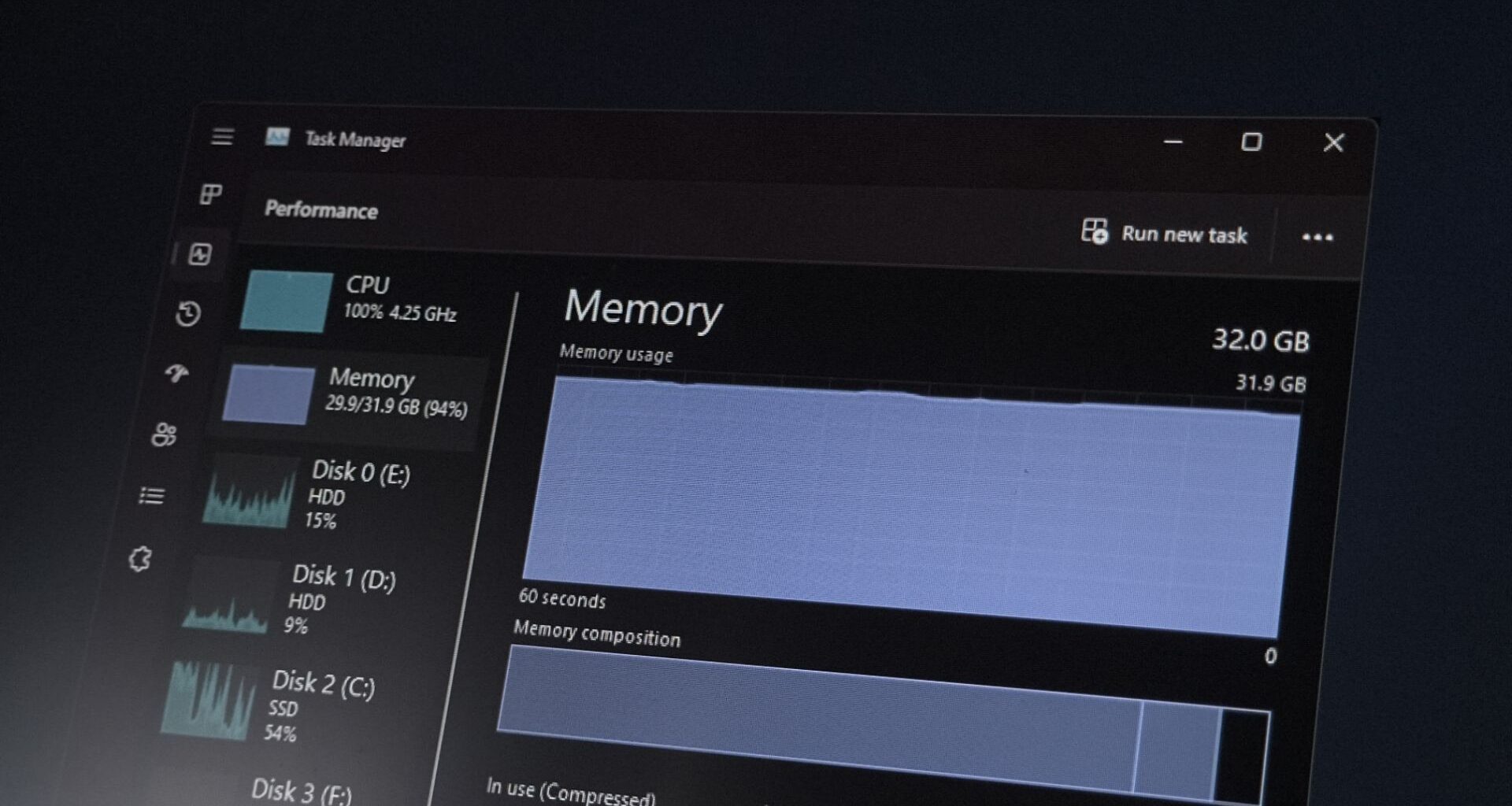
Funnily enough, the crash comes when Windows 11 is in its best shape in years. Also, in case you’ve been living in a cave for the past 2 years, the entire PC market (including Apple) is doubling down on AI, which was the whole reason for the PC shipments debacle.
That said, Windows 11 just got a trick that can reduce a PC’s dependence on the universally despised Data Centers.
PC shipments plunged 20% as memory prices hit buyers
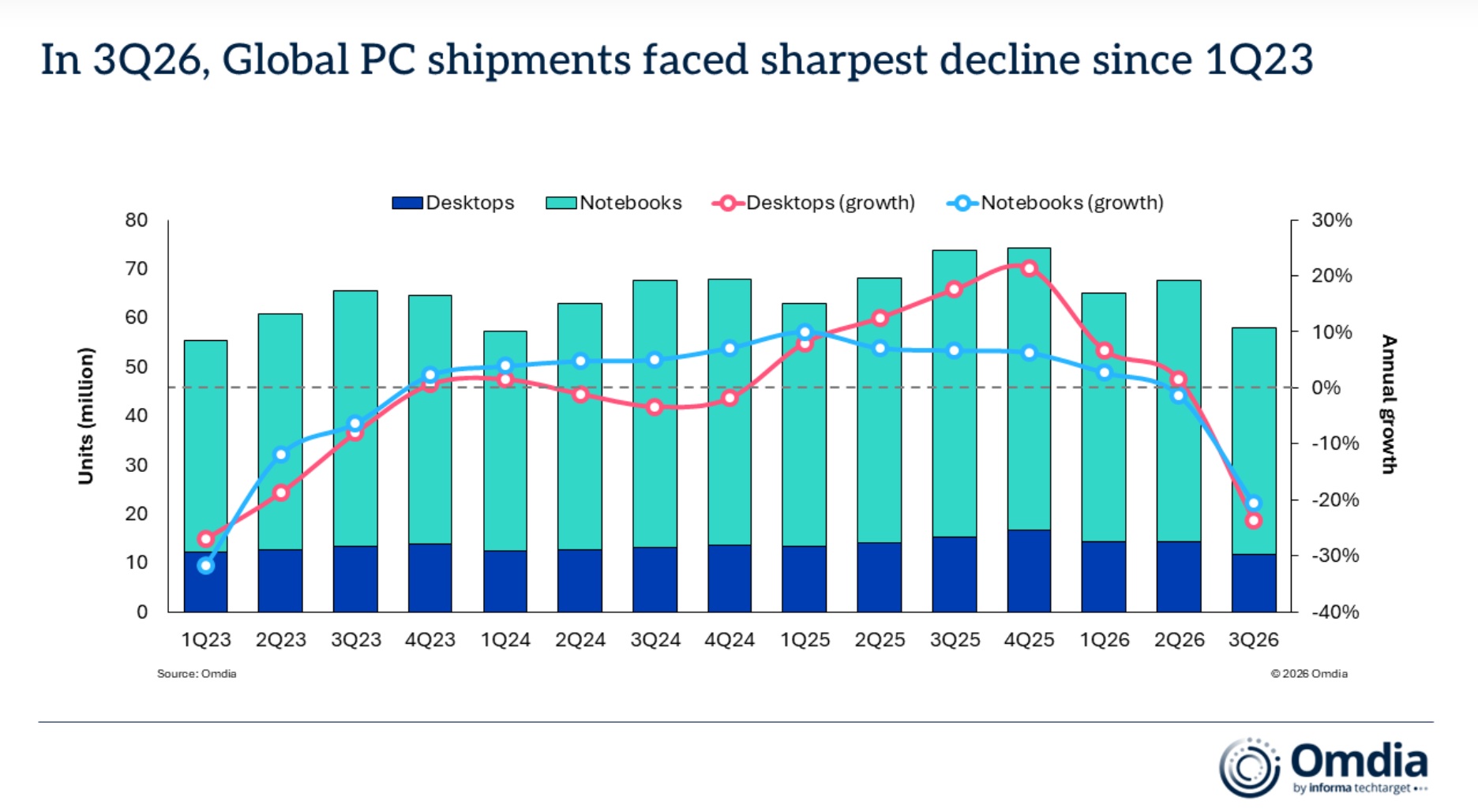
Omdia estimates that 58.1 million desktops, notebooks and workstations shipped in worldwide in Q3 2026, down from 73.7 million a year ago. This should be terrifying to PC OEMs because it’s the steepest annual decline since Q1 2023. IDC puts Q3 shipments at 62.7 million, down from 78.5 million.
Yes, the two numbers don’t match precisely, because they each have their trackers. However, they agree on what went wrong:
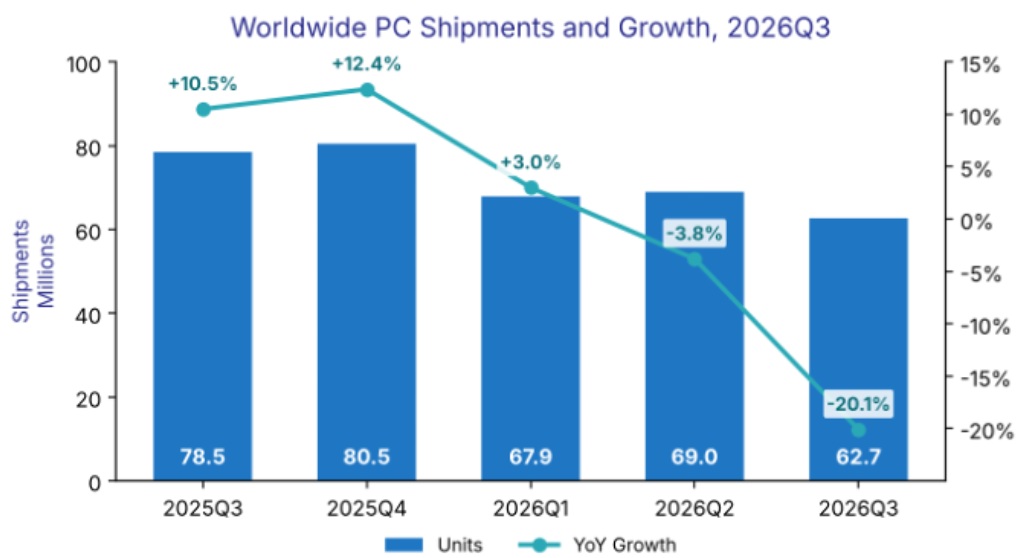
PC shipments in Q3 2026 fell below Q2, breaking the usual pattern
Q3 is normally bigger than Q2, but IDC says shipments dropped 9.1% from 69 million in Q2. It’s also the second straight quarter of annual decline, after Q2 dipped 3.8%. Omdia also has some interesting (I mean, daunting) findings:
Desktop shipments fell 23.5% to 11.7 million
Notebook shipments fell 20.6% to 46.4 million
Vendors and their ODM partners started cutting production in Q3
Ironically, the PC industry did it to itself. OEMs and channel partners stocked up on inventory in the first half of 2026, likely to get ahead of memory-driven price hikes, and Q3 was left with very little demand.
“Vendors and channels loaded up on inventory early in the year to get ahead of price hikes, and that has thrown off the usual seasonality, where Q3 is typically larger than Q2,” says Jitesh Ubrani, research director for consumer devices at IDC.
Omdia’s Research Director Ishan Dutt says leading OEMs had already forecast double-digit declines for the second half, while retailers reported double-digit jumps in average selling prices combined with falling sales!
“The impact of upstream component cost increases has now fully worked its way through to end-market pricing, with consumers and IT decision-makers responding accordingly,” Dutt explains.
The parts inside a $699 PC now cost $699
“The cost share of DRAM and SSDs in PCs has risen sharply from a typical level of around 15% to nearly 40%, with price increases more than fourfold,” says Ben Yeh, Principal Analyst at Omdia.
Omdia’s cost breakdown shows what has now happened to a mainstream PC that sold for $699 in Q1 2025:
Mainstream PC ($699 in Q1 2025)
Q1 2025
Q2 2026
Q3 2026
Total parts cost
$435
$665
$699
Memory share of parts cost
5%
16%
20%
Storage share of parts cost
11%
23%
22%
Memory and storage combined (approx.)
$70
$259
$294
Processor share of parts cost
30%
22%
21%
Basically, memory and storage combined is responsible for roughly $224 of the $264 jump in parts cost.
You’d be wrong if you thought the premium or high-end PCs are unaffected. I’m not sure how OEMs will strategize their sales because for some high-end tier PCs, the parts now cost more than what the whole PC sold for in early 2025:
PC tier (retail price in Q1 2025)
Parts cost in Q1 2025
Parts cost in Q3 2026
Increase
Entry (under $500)
$275
$471
71%
Mainstream ($699)
$435
$699
61%
High-end ($1,099)
$774
$1,242
60%
Premium (over $1,500)
$1,234
$1,898
54%
Keep in mind that these are component costs, so they don’t include assembly, shipping or the PC maker’s margin. 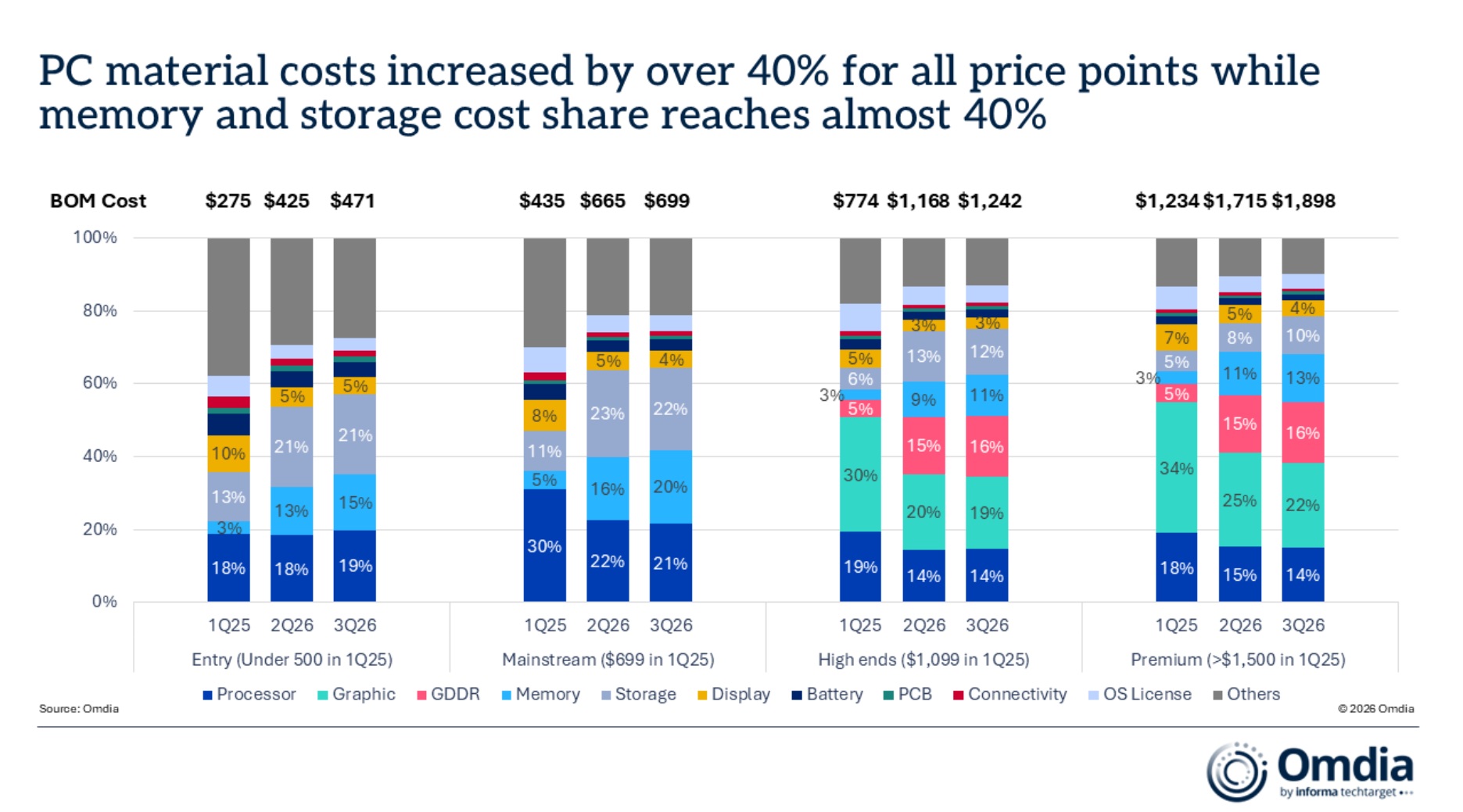
Memory isn’t the only problem, either. Omdia says shortages of processors, graphics cards and other chips are making inventory harder to manage. In high-end and premium PCs, graphics memory (GDDR) went from 5% to 16% of the parts cost. Yeh says PC makers have raised prices multiple times, but those increases “have yet to fully offset the impact.”
HP took the biggest hit, while Apple and Asus gained market share
Lenovo, HP, Dell, Apple and Asus kept their spots in the top five, but every one of them shipped fewer PCs, according to Omdia.
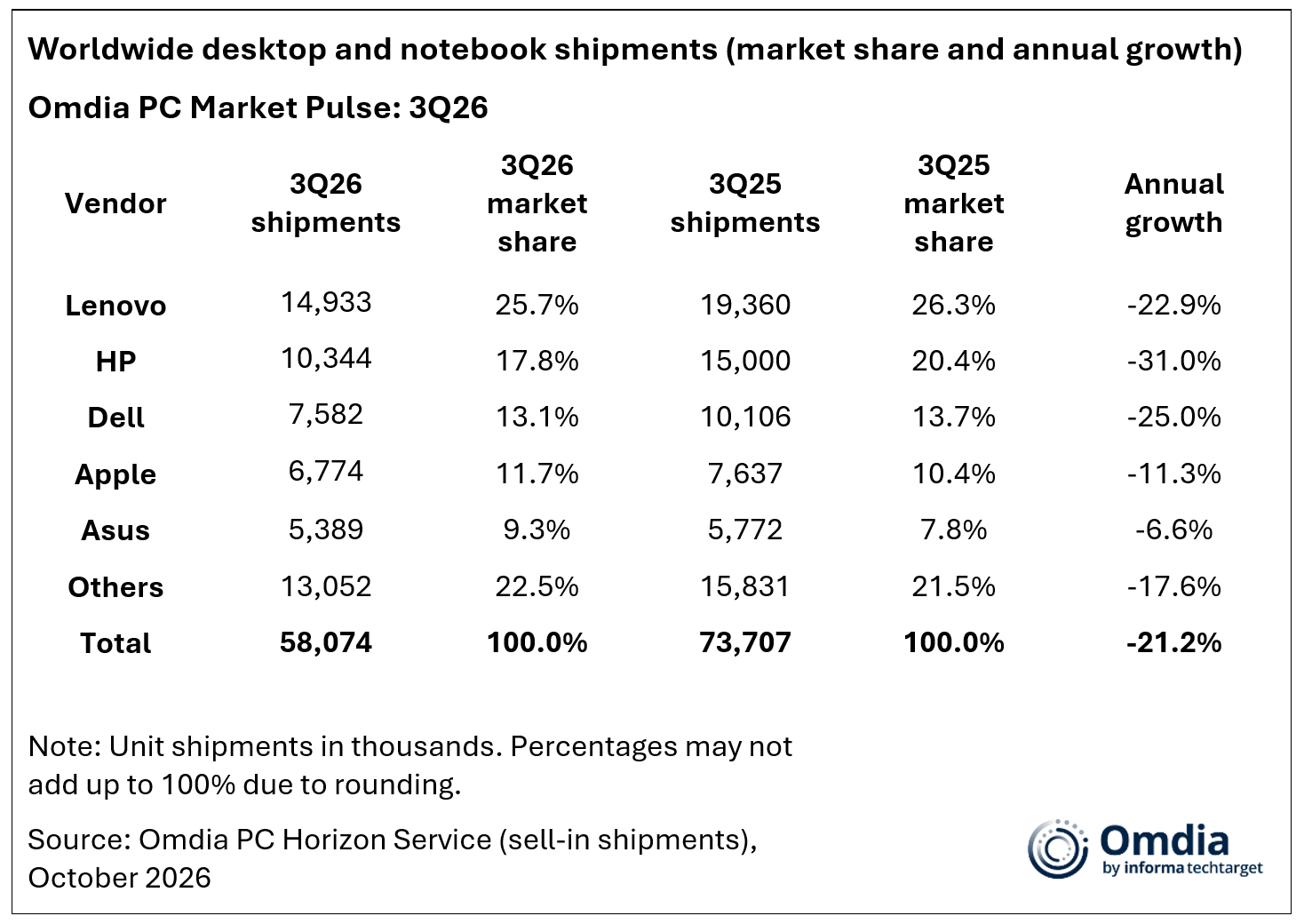 Worldwide desktop and notebook shipments 3Q26. Source: Omdia
HP lost 2.6 points of market share in a single year. Apple shipped 11.3% fewer Macs but still gained share, and Omdia credits Cupertino’s premium positioning for limiting the impact of higher prices. Asus had the smallest decline among the top five.
IDC’s data also paints the same picture. Lenovo, HP and Dell fell faster than the market and together gave up 4.2 points of share, while Asus dropped the least at 8.6%.
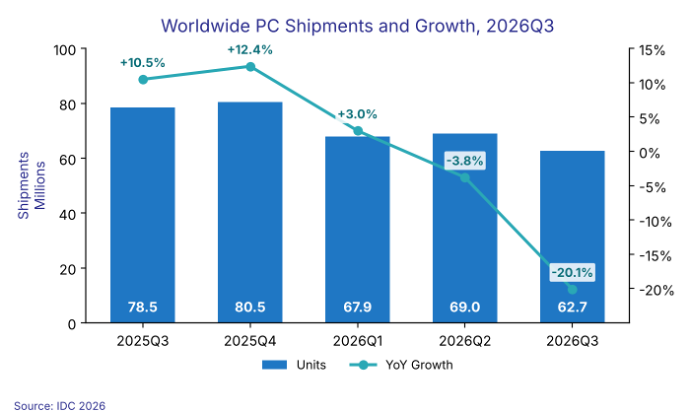 Worldwide PC shipments (millions of units). Source: IDC
PC prices will stay high in 2026, even with discounts
Channels are now stuck with inventory in a market where high prices are killing demand, so IDC says promotions are possible. Just don’t expect 2025 prices!
“That could translate into promotions and some short-term relief for consumers, but we don’t expect pricing anywhere near what it was a year ago. Prices will remain elevated,” Ubrani says. He adds that with macro conditions worsening, “the risk is that the outlook for the next few quarters gets worse before it gets better.”
Omdia expects PC shipments to fall another 24% year-over-year in Q4 2026 and 7% in 2027, and Yeh warns that “the current decline may be just the beginning of a new downward cycle.”
Windows 11 is getting better, but cheaper PCs are getting harder to build
After a 2025 full of broken updates, Microsoft promised to fix Windows 11 in March, and Satya Nadella repeated it in July.
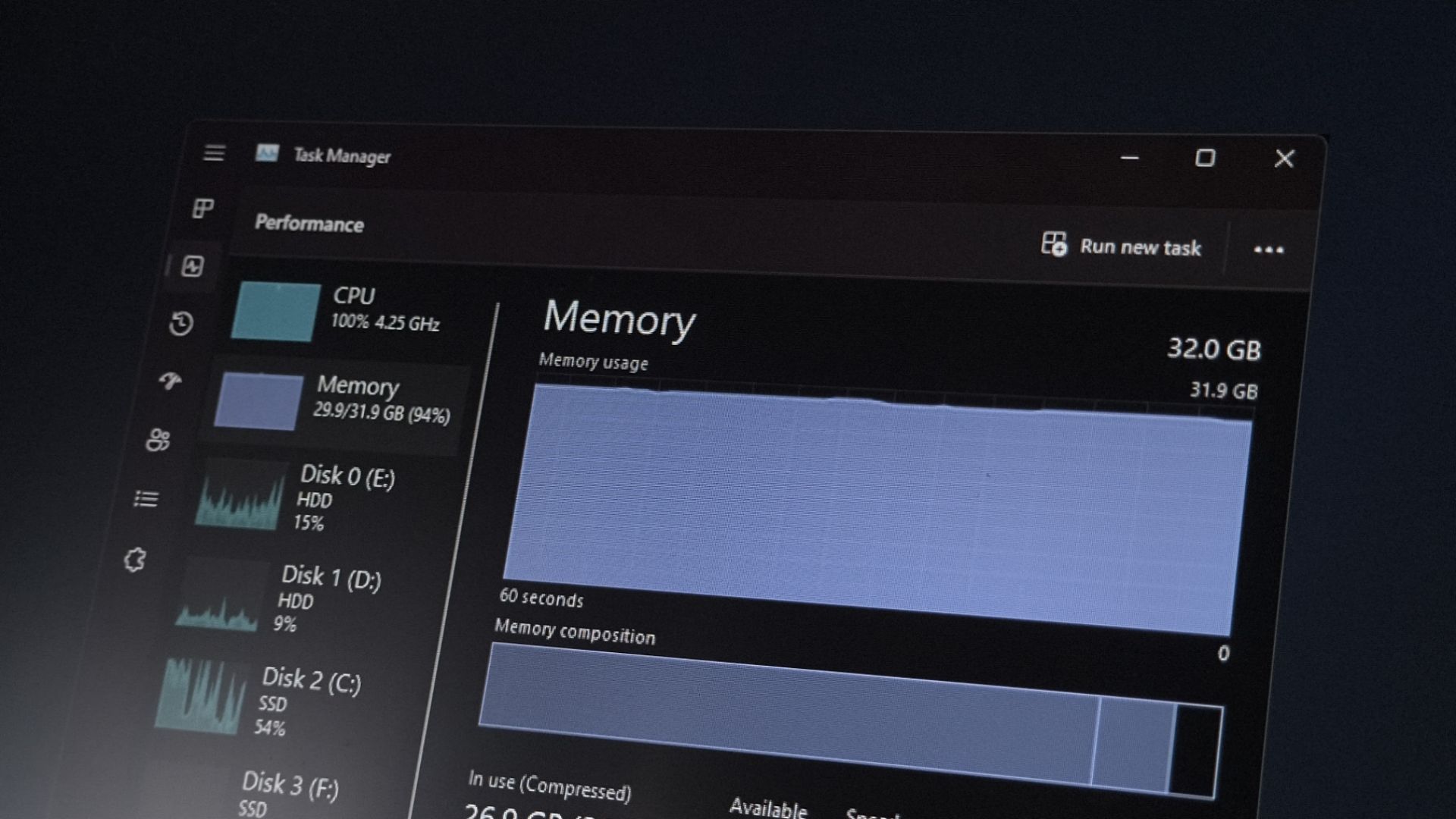
In our testing, my three-year-old 16GB laptop used up to 2GB less RAM after a restart on Windows 11 26H2, and apps opened noticeably faster.
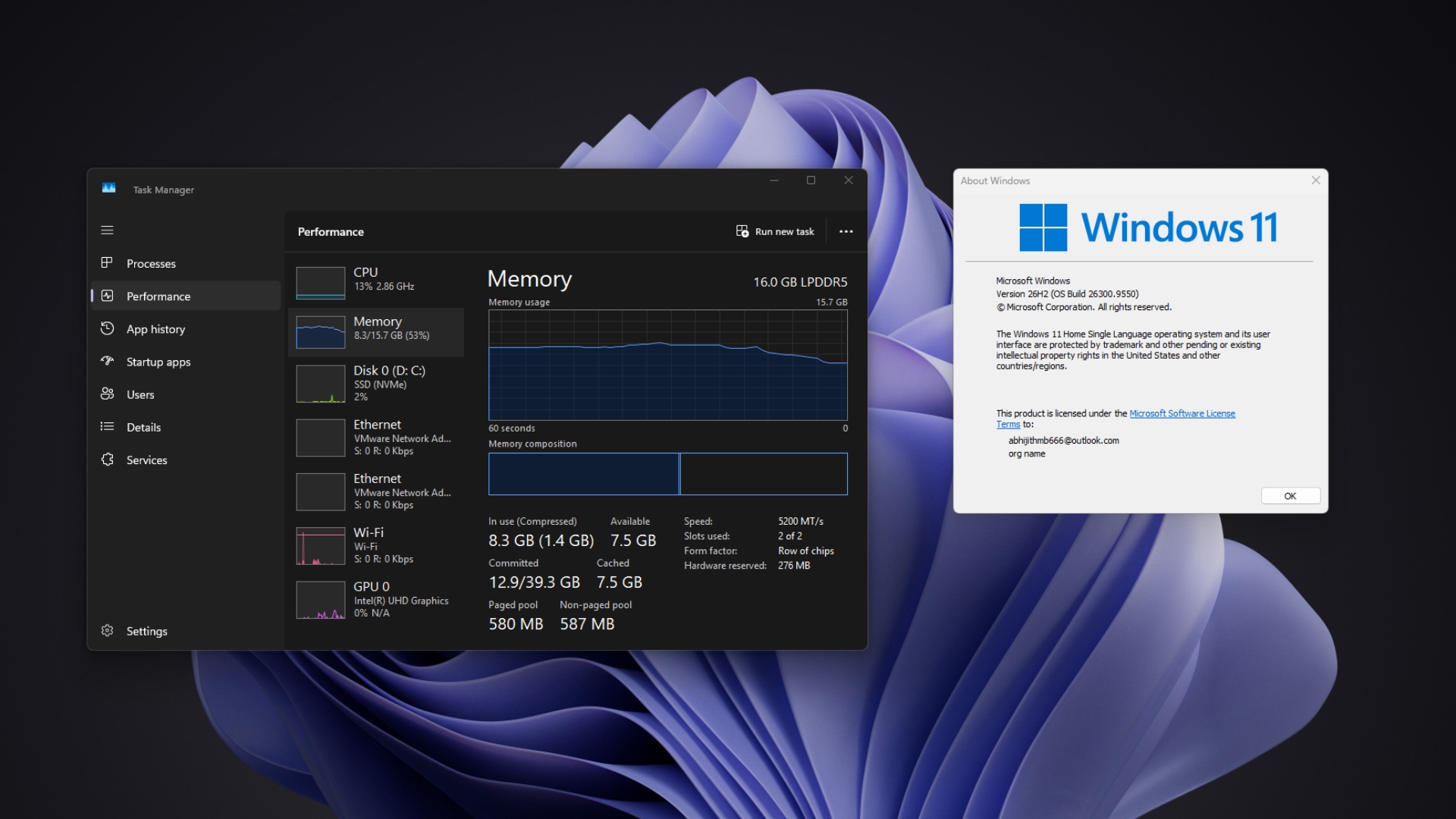 Windows 11 lower RAM usage after installing 26H2 update. Credit: Windows Latest
The July update sped up shutdowns and File Explorer, and Marcus Ash says Insiders can feel Windows 11 speeding up in Experimental builds.
The September update lets you remove web results from Search, which made it crazy fast in our testing. Microsoft is now testing a Search rebuilt on WinUI 3, and WinUI’s latest experimental release added table and chart controls and a memory fix, after years of developers picking web wrappers, exclusively for Windows!
The bigger promise is optimizing Windows 11 for 8GB PCs by the end of 2026, and Windows boss Pavan Davuluri cited the rising cost of memory as the reason. OEMs are bringing back 8GB laptops, but one 8GB PC owner said RAM usage was still at 96% on 26H2, so the 8GB work probably hasn’t shipped yet, as far as I know. When it does, cheap laptops could finally feel usable.
Of course, faster software won’t make DRAM cheaper. If anything, a better Windows 11 gives people one more reason to keep their current PC a little longer.
Microsoft wants local AI on PCs, but the AI boom is making PCs more expensive
IDC blames the higher prices on the “AI data center build out.” On October 7, Microsoft held its first big Windows event in two years and spent most of it on AI, and the comments under the livestream and on X were mostly people asking Microsoft to fix Windows instead.
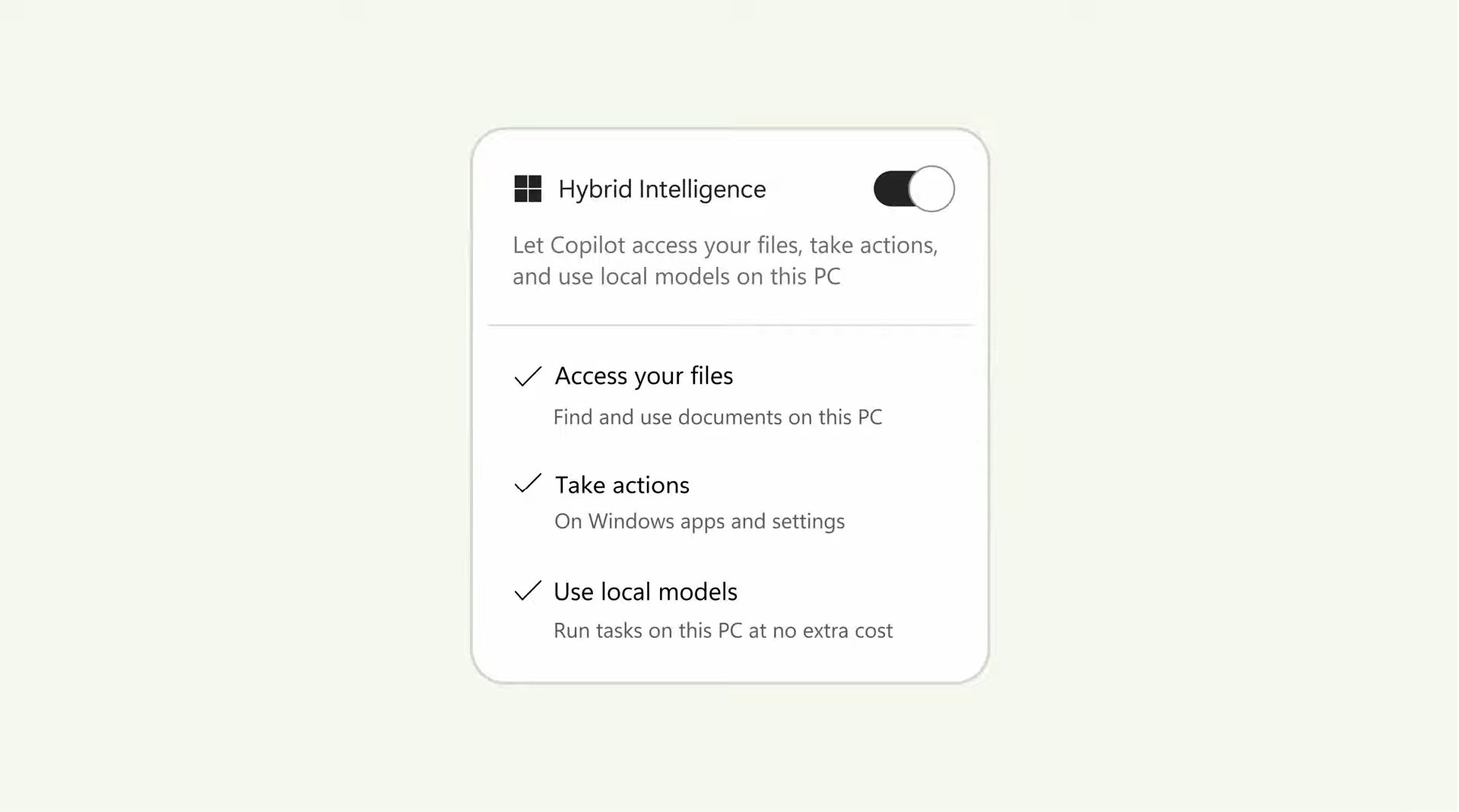 Hybrid Intelligence capabilities in Copilot+ PCs. Image: Microsoft
To be fair, the pitch was different this time. With hybrid intelligence, Davuluri says Windows will run AI on your PC “where it makes sense” and in the cloud “when it needs to.” In theory, every task that runs locally is one less request for a data center, and data centers are what’s eating the world’s memory supply.
Local AI needs a lot of memory, too. Surface Laptop Ultra starts at $2,599.99 with 24GB, but Microsoft’s AI benchmarks used the 64GB model, which costs $4,299.99.
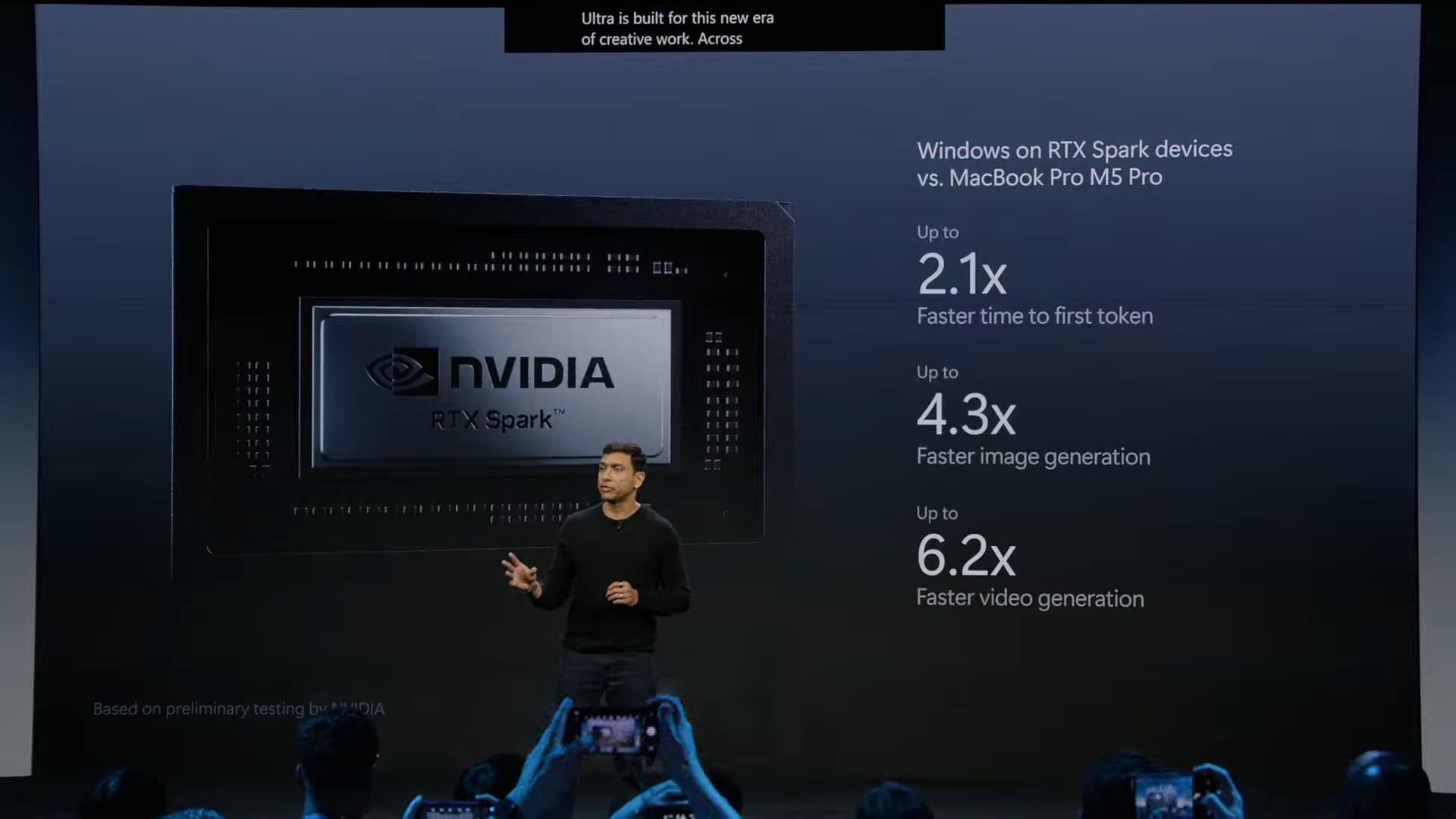 Surface Laptop Ultra vs MacBook Pro M5 Pro
I suspect Microsoft or NVIDIA is eating some of that cost, or it’s an introductory price. The 128GB Surface costs $5,899.99, while ASUS’s ProArt P14 goes up to around $6,500 with 128GB.
Microsoft’s Surface RTX Spark Dev Box costs $5,999 with 128GB, which is more than the laptop. Sure, it has an extra 1TB of storage, but it has no display, keyboard or battery!
 Surface RTX Spark Dev Box in action
PC makers need to give people a reason to upgrade
Apple has Apple Intelligence, Windows 11 has agents, and shipments are down for both. In my opinion, PC makers and Microsoft mistook their own excitement about AI for what buyers want. AI PCs were supposed to start an upgrade wave, and instead, people are holding on to what they have.
Windows 11 is finally fixing the basics. Now the industry needs a PC that does the basics well at a price people can pay, with AI as a bonus instead of the monotonous AI this, AI that sales pitch.
Support original journalism.
Windows Latest depends on readers like you.
Make us your Preferred source on
Google Discover and
Google Search,
and help our independent reporting reach more people.