

Want LBC stories before everyone else? Set us as your Preferred Source on Google
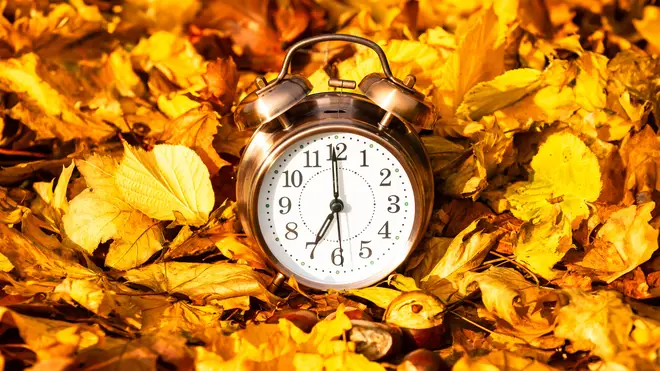
Clocks in the UK go back one hour in the autumn.
Picture:
Alamy
Nearly half of Brits have reported having less energy through the winter months, new research has shown, with the clocks set to go back soon.
The UK is already into its darker part of the year, and nights will begin even earlier once Greenwich Mean Time (GMT) begins at the end of October – and this could cause issues.
Almost half (45%) of Brits surveyed say darker mornings and evenings negatively impact their energy levels, according to a study publicised this week by bed retailer Dreams.
The research also showed that 42% say their mood takes a hit and 38% report a negative impact on their overall sense of wellbeing. More than one in five (21%) also say the darker days negatively affect their sleep.
NHS GP Dr Zoe Williams, who has worked with Dreams for the study, said: “A bad night’s sleep every now and then is something most of us experience.
“But this research shows how closely our nights and days can feed into one another. The things we’re carrying during the day can follow us into bed, while a difficult night can affect how we feel the next day.
“That doesn’t mean every restless night is a sign of a mental health problem. It’s about noticing when something feels different and looking at your sleep alongside what’s happening in the rest of your life, rather than automatically dismissing persistent sleeplessness as ‘just tiredness’.”
Read also: First day of autumn 2026 is here as Brits wait for one final heatwave
When do the clocks next change in the UK?
Clocks go back in the UK at 2am on Sunday, October 25.
They will go forward on Sunday, March 28, 2027.
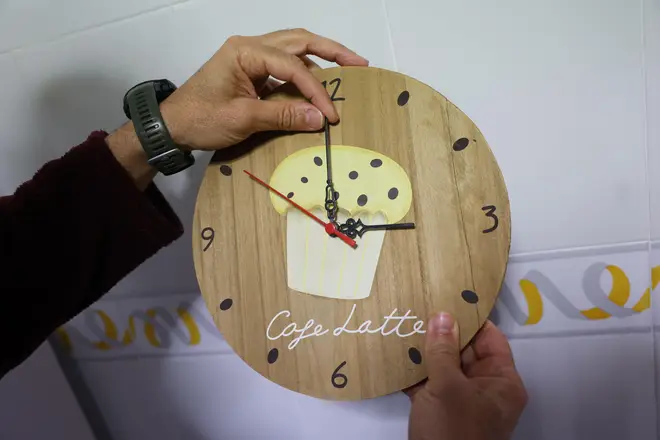
A man changes a clock to the right time.
Picture:
Alamy
Why do the clocks change?
Brits will get one hour extra in bed this month when the clocks go back to Greenwich Mean Time.
But while the extra sleep will be welcomed, it does usher in a period of darker evenings and the unofficial beginning of winter.
We have a builder called William Willett (the great-great-grandfather of Coldplay’s Chris Martin) to thank for the change, as he put forward the idea in a 1907 pamphlet.
Mr Willett had noticed many people were still asleep in the morning hours on his early horse rides and suggested that a rescheduling of the clock could help people make the most of the day.
In 1916, the Summer Time Act was introduced and has stood until this day, although British Double Summer Time was introduced during the Second World War to help boost productivity.
When do the clocks go forward and back in the UK?
Clocks go forward one hour at 1am on the last Sunday in March, and back one hour at 2am on the last Sunday in October.
The period when the clocks are one hour ahead is called British Summer Time (BST) which can also be called Daylight Saving Time as there is more light in the evening and less in the morning.
When the clocks go back, the UK is on Greenwich Mean Time (GMT).

Seasonal Affective Disorder is common in the winter months.
Picture:
Zoonar GmbH/Alamy
What is seasonal affective disorder?
Seasonal affective disorder is a type of depression that usually happens in the winter, indicating a low mood and lack of energy. It can also present with symptoms such as overeating and feeling restless or irritable.
The NHS states: “It’s not known exactly what causes seasonal affective disorder (SAD), but it’s thought to be linked to reduced levels of daylight in winter.
“This may cause changes to brain chemicals like melatonin and serotonin that affect your mood and your sleeping patterns (circadian rhythm).”
Antidepressants and talking therapies can help to treat the disorder, and there is an increasing body of evidence to suggest that light exposure therapy can also help, although this is not available on the NHS.
Getting regular exercise and talking with friends and family, especially through outdoor activities, can help to alleviate some of the symptoms.