
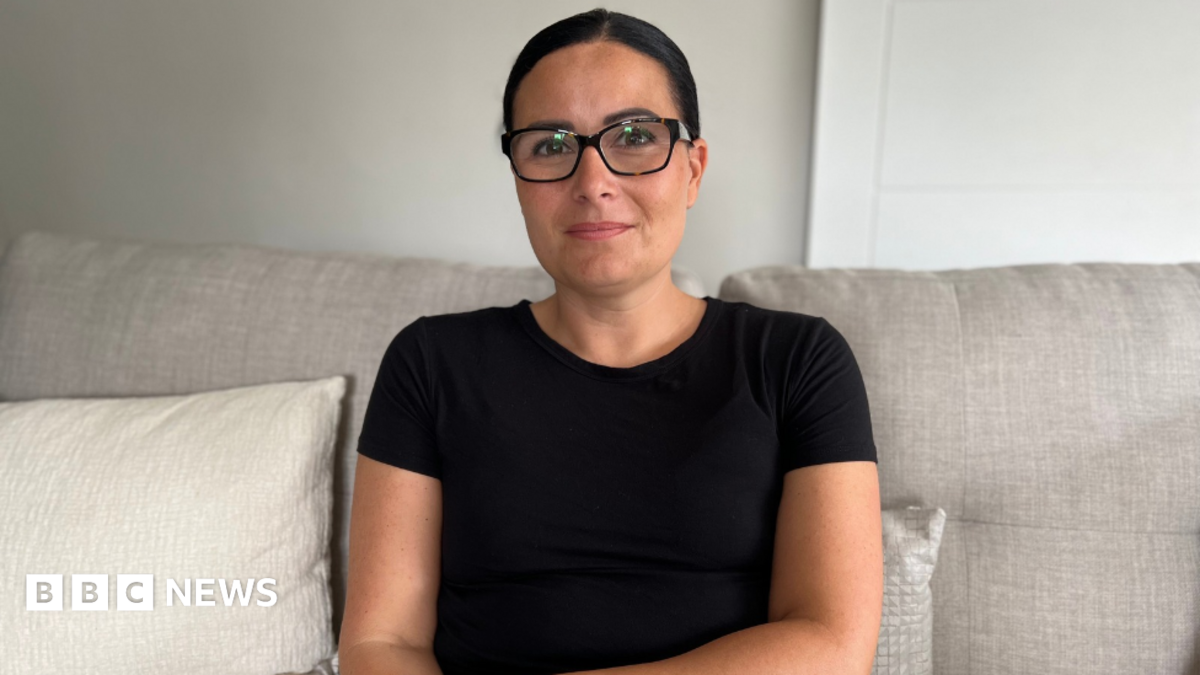
Unlike going through menopause naturally, entering it in a matter of days or weeks, sometimes known as “crash menopause”, means symptoms can come on suddenly and be intense, with far-reaching effects.
Danielle said: “I felt like I lost myself at 33. I started to experience a different version of myself; low mood, hot flushes, brain fog, loss of libido. It consumed me.”
The charity Maggie’s, which offers cancer support in centres next to NHS hospitals, says many women who receive a cancer diagnosis are often told very little about early menopause.
Gilly Howard-Jones, who is the Centre Head at Maggie’s in Southampton, said: “Whilst the medical treatment is really good at focusing on managing cancer, the impact of menopause is often underestimated.
“Increasingly we’re getting better at supporting it, but women don’t understand what a crash menopause is and the impact that it’s going to have on them.”
A spokesperson for the Department of Health and Social Care said: “Through our National Cancer Plan, we will ensure every cancer patient has a personalised cancer plan and a named clinical nurse specialist, so the long-term effects of treatment, including menopause, are recognised and built into their ongoing care.”
Danielle says she is lucky to be blessed with her family, but for many others that is not the case.
“There are young ladies being diagnosed in their 20s and 30s that don’t have a family and they’ll be left infertile,” she said.
A spokesperson for Oxford University Hospitals NHS Foundation Trust said: “We’re sorry that Ms Standen didn’t receive the information she needed.”
They said the trust was working to “strengthen support for women who may experience early menopause as a result of cancer treatment”.
“We’re committed to learning from our patients’ experiences in complex situations like this,” they added.