
Her comments came as Women’s Health Minister Maree Todd said the Scottish Government would examine how to implement the policy and insisted the planned overhaul of Scotland’s health boards could improve access to gynaecology services in rural areas.
SNP conference unanimously backed calls for a targeted Gynaecology Workforce Incentive Scheme aimed at encouraging more doctors to enter and remain in gynaecology training and consultant posts in Scotland.
READ MORE:
The motion calls for ministers to consider measures including retention payments, enhanced training opportunities, flexible and family-friendly working and additional support for doctors in areas struggling most with shortages.
It also demands specific action for rural and remote communities and measurable recruitment and retention targets through the forthcoming National Plan for Gynaecology.
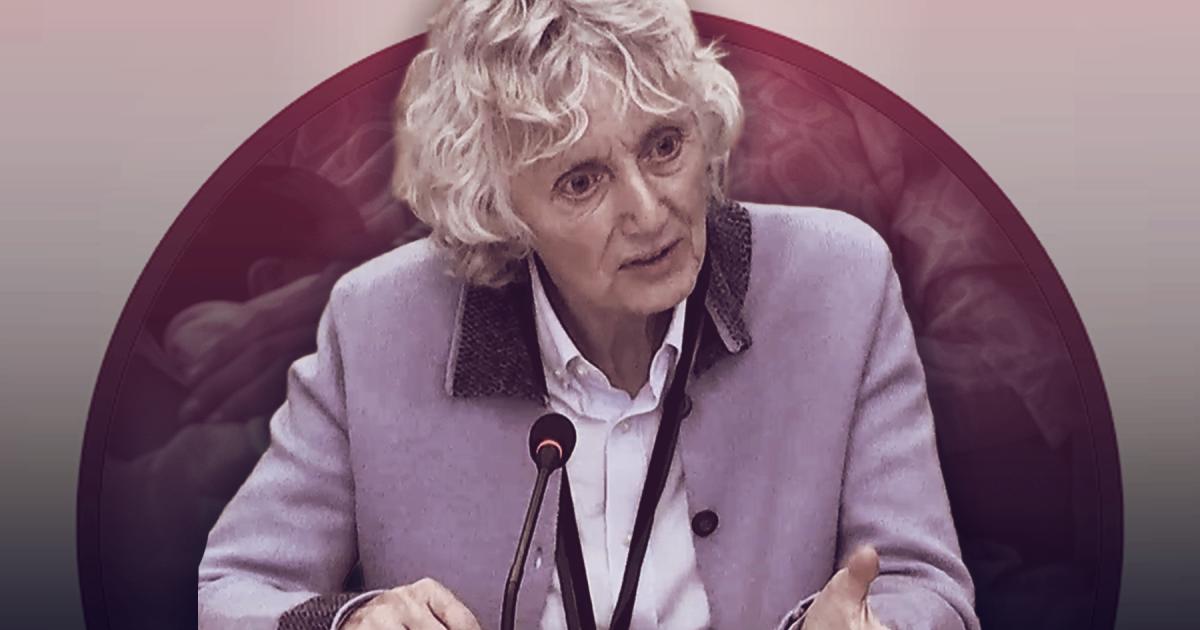
However, speaking to The Herald, Professor Glasier questioned the premise of the scheme.
“Gynaecology services need sorting out. Our take is that they need redesigning. It’s not just a question of throwing more money at it,” she said.
Asked if she would welcome the workforce incentive scheme, Professor Glasier added: “I don’t think an incentive scheme is necessary. I think rethinking the way people provide gynaecology services is what we need to do and we are talking to the minister about it.”
The disagreement comes amid severe pressure on services, with a 250% increase in gynaecological waiting lists in seven years. There were 64,535 waits for an appointment or procedure recorded in November 2025.
Asked if this was acceptable, Ms Todd said “no” and acknowledged that additional funding alone had not delivered the improvement ministers wanted and said significant changes were needed in how services were provided.
Speaking to The Herald, she said: “So we’ve been putting in extra funding. That alone is not going to sort it, and I guess that’s what Anna’s bugbear is around this issue that we’ve put in extra funding and it hasn’t made the difference that we wanted. So we are going to have to change the way that we do things, and I think that the extra funding will help.”
(Image: Andrew Milligan/PA Wire)
The minister argued that many gynaecological conditions which would historically have been treated surgically can now be medically managed, reducing the need for patients to be routinely referred to hospital-based surgeons.
She said services should increasingly be available closer to women’s homes, particularly because travelling to specialist centres could itself become a barrier to treatment.
“If you could access gynaecology in the community-that will be a big step forward.”
Ms Todd confirmed that, because the workforce proposal had been passed by SNP conference, it would be considered by ministers.
She said: “We’ll definitely look at it in government and we’ll look at how to implement it in Government. I want anything that strengthens the gynaecology workforce.”
The Scottish Government is also pursuing major structural reform of the NHS, including plans to reduce the number of health boards from 14 to two.
Ms Todd suggested those changes could make it easier to deploy staff and resources between different parts of Scotland, arguing existing health board boundaries could create significant obstacles.
She cited difficulties moving spare capacity between island boards as an example of the problem.
Asked directly whether the move to a two-board system could improve gynaecological care in rural Scotland, she replied: “Absolutely. I’m confident it will.”
The comments came as sexual and reproductive health experts separately urged ministers to combine any reform of Scotland’s abortion laws with a dedicated plan for abortion services and protection for the specialist workforce.
The College of Sexual and Reproductive Healthcare told an SNP conference fringe event that demand for abortion had increased by 55% since 2016.
It also called on the Scottish Government to restore women’s health to the title of the relevant ministerial portfolio. Ms Todd previously insisted she was the women’s health minister, despite the role not being included in her title.
Ms Todd said the Scottish Government was currently considering responses to a targeted consultation on abortion law reform following recommendations from an expert group which found the existing legal framework was no longer fit for purpose.
She said: “So I think we’ve done a targeted consultation around abortion law reform that’s gone out to all sorts of organisations, both for and against reform. And we’re now at the moment digesting what we’ve heard from that. So we haven’t formulated a response to the expert group recommendations just yet.”
Pressed on when ministers would respond, Ms Todd said it would come “in due course”, describing the issue as complex and sensitive.
However, she suggested there could be movement on abortion services sooner, including on access to later-stage care.
“I would like to think over the next very few months steps being taken forward to ensure that there is access to late-day intervention care pathways,” she said.
The minister said work was under way on a nationally commissioned service for later stage abortion care.
She also indicated that changes to abortion law itself were likely to proceed cautiously.
“So there’s lots of stuff happening relating to abortion, but I think the law change will necessarily be slow and careful,” she said.
Ms Todd added that ministers had not yet reached a final position on the expert group’s recommendations, warning that reform was taking place in what she described as a hostile political environment.