
If you know me in person, I’d like to apologise in advance: I am about to bang on about fibre again.
I can’t help it! The nutrient is linked to lower risks of heart disease, cancer, and dementia, but 90% of us fail to eat the recommended 30g a day.
Still, some easy changes can make hitting that goal easier. For instance, I add beans to basically everything; but switching to whole-grain options and eating more fruits, legumes, nuts, seeds, and vegetables can go a long way, too.
And according to Dan Osman, a performance nutrition specialist and health and wellbeing consultant at Prep Kitchen: “Choosing to keep the skins on foods like potatoes, whether they’re white or sweet potatoes, and carrots, is a great, simple change to significantly boost fibre intake.”
Why do the skins of fruit and veg add so much fibre?
As the skin of fruit and veg is designed to protect the inner part, it’s usually thicker and often contains greater concentrations of nutrients. And yes, that does include fibre.
Per Healthline, leaving your produce unpeeled can increase its fibre content by almost a third (31%).
Osman said that putting the parer down could contribute to 21g more fibre a week, which could be beneficial as “most UK adults are getting around half of the daily recommended 30g of fibre a day, which is quite a big gap to close for a lot of people”.
7 fruits and veg not to peel, per a nutritionist
Some fruits and veg the expert recommended leaving unpeeled are:
White potatoes. You’ll get 1.5g more fibre per potato by leaving it unpeeled.
Sweet potatoes. Like white potatoes, not skinning your sweet potatoes will give you 1.5g of additional fibre per potato.
Carrots. Unpeeled carrots provide 0.5g of additional fibre per carrot, with five carrots a week providing 2.5g more fibre.
Cucumbers. Similarly, you’ll get 0.5g more per cucumber if you leave the skin on.
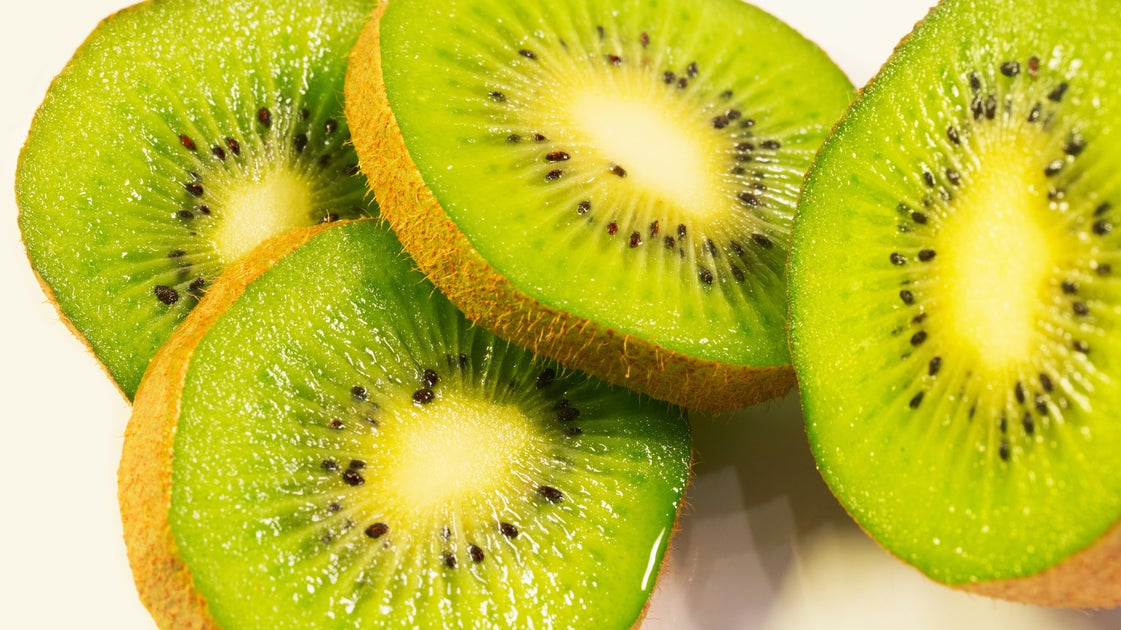
Kiwi. Those who eat kiwis with the skin on can expect to get 1g more fibre than those who peel them.
Apples. Unpeeled apples also offer 1g of additional fibre than their peeled counterparts.
Pears. As with potatoes, you can nab 1.5g extra fibre from an unpeeled pear.
“High-fibre foods tend to be slower [to digest], more satiating, and the release of glucose into the bloodstream [they provide] is that much slower, providing a steadier supply of energy,” Osman ended.
“You don’t need to completely change your diet. There are lots of ways to add a little bit more fibre every time we eat, and that can be incrementally introduced to one meal at a time.”