
Published October 21, 2026 07:51AM
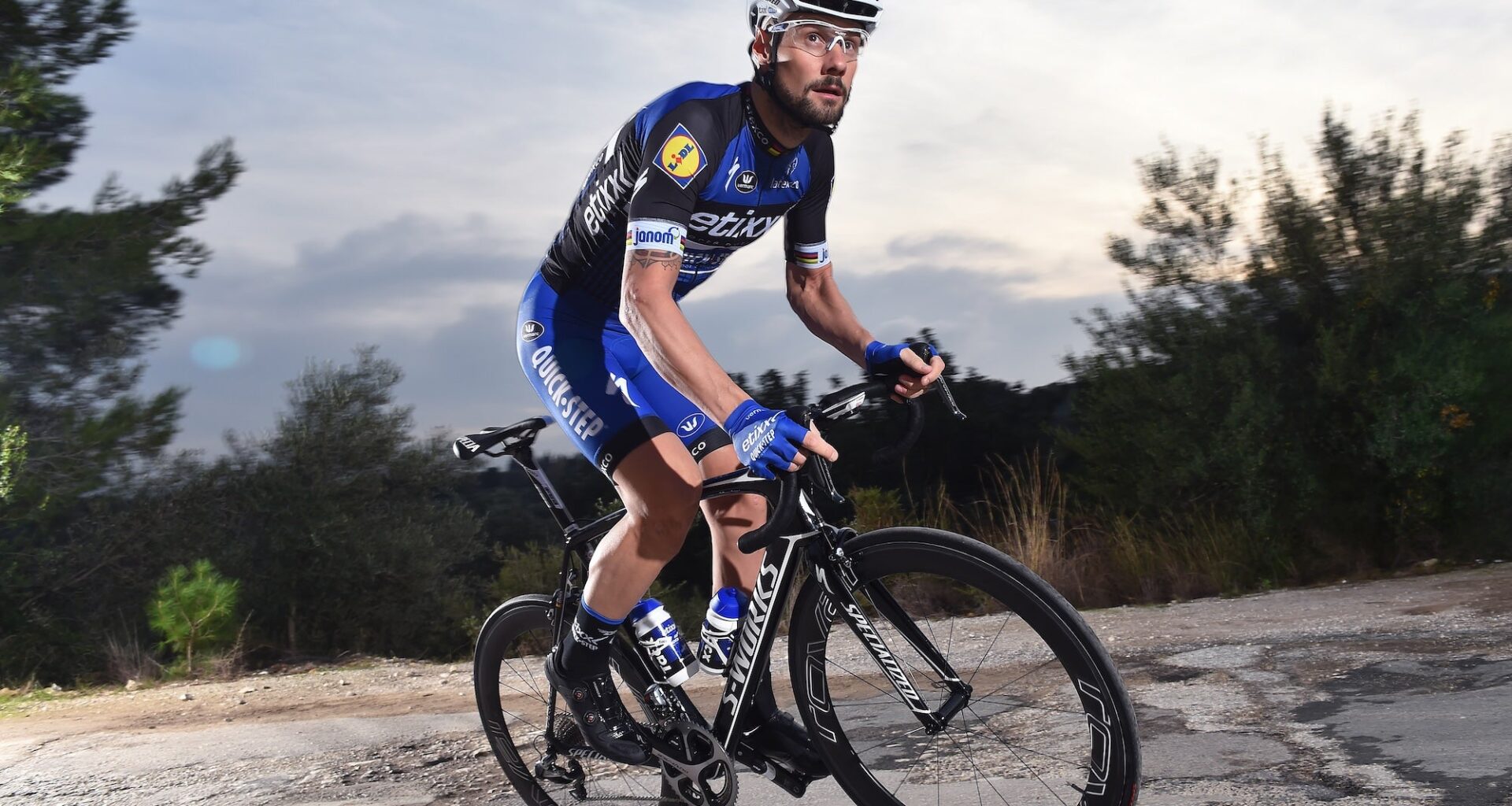
Quick-Step will close a 24-season run as title sponsor that helped turn a Belgian flooring brand into something synonymous with winning bike races.
Before today’s “superteam” era, Quick-Step was the powerhouse that drove the elite men’s peloton.
OK, other teams were obsessing on the Tour de France, but Quick-Step was the team for everything else.
For Belgians, it was their New York Yankees.
Museeuw, Boonen, Gilbert, Evenepoel — it was the team where all the big Belgian stars ended up. And few other superstars along the way as well.
Quick-Step remains a partner through 2030, but one of cycling’s longest title name partnerships is ending.
Starting in 2003, Patrick Lefevere built the squad into the “Wolfpack,” a winning machine that won across multiple terrain. Sprints, escapes, stage wins were all part of the team ethos.
But it was the classics that were essential to the team’s DNA.
The Quick-Step relationship began with Mapei in 1999, then Lefevere launched Quick-Step-Davitamon in 2003. Tom Boonen became a Belgian superstar and carried team colors for a decade.
By the 2020s, Quick-Step — a multinational flooring company — was struggling to keep pace with deep-pocketed superteams that now dominate the men’s peloton.
Czech billionaire Zdeněk Bakala remains behind the scenes, and Jurgen Foré took over as general manager after Lefevere retired.
The team rolls on.
Safety Jogger takes Quick-Step’s place alongside Soudal on the team kit in 2027. And with longtime bike sponsor Specialized also leaving, it’s an end of an era.
Even with Remco Evenepoel gone, the team is still finding ways to win. Tim Merlier and Paul Magnier now carry its winning legacy.
Here are nine chapters that explain why Quick-Step’s place in cycling history will be hard to replace.
1999-2003: From Mapei to a new Belgian powerhouse
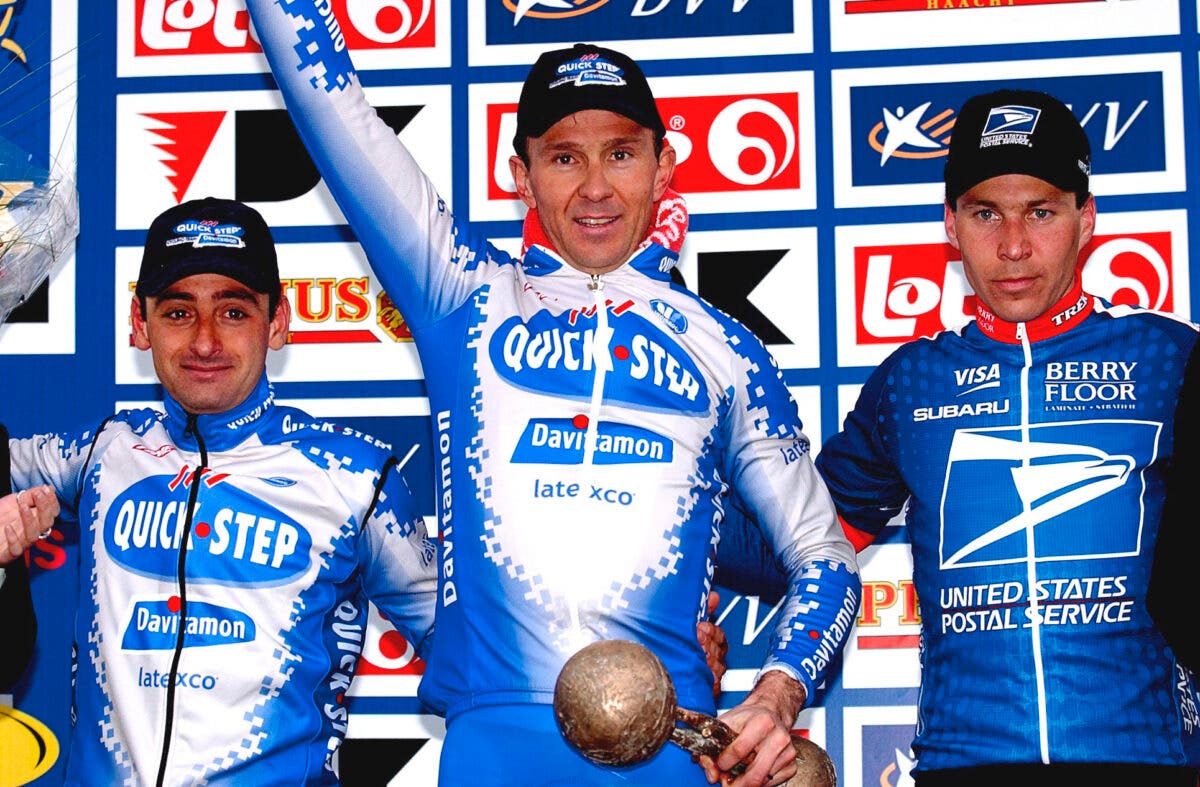 Musseuw celebrates Het Volk. (Photo: Tim de Waele/Getty Images)
Quick-Step’s roots run through Mapei. The powerhouse of the 1990s won world titles and sprints, and its classics roster ran so deep that Lefevere could call in the winning order at Paris-Roubaix.
By 2003, Mapei was gone, and Lefevere built Quick-Step-Davitamon with riders and staff from Mapei and Domo-Farm Frites.
The Belgian super-squad immediately delivered, with Museeuw winning Het Volk and Bettini taking Milan-San Remo in its debut season.
The Quick-Step era had begun.
Only Lotto — which started in 1985 — and Cofidis and FDJ — both in 1997 — have sponsored an elite men’s pro team longer.
2004-2007: Bettini brings gold and rainbows
 Bettini was one of the team’s biggest stars. (Photo: Tim De Waele/Getty Images)
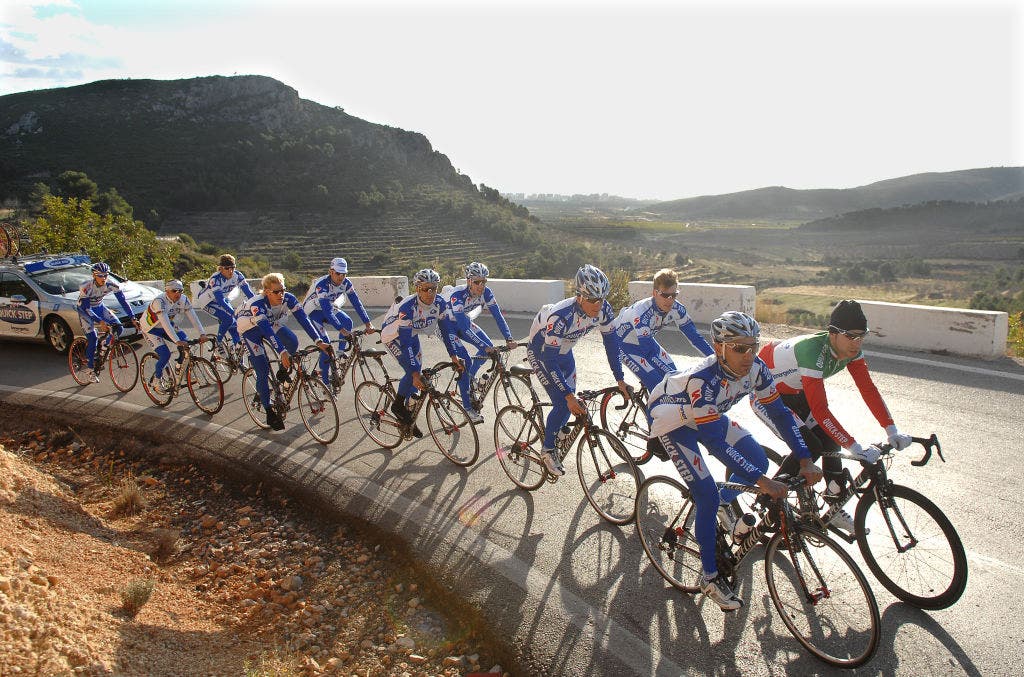
Quick-Step soon were the bulldogs of the spring classics. The team expected to win and became so good that even podiums were viewed as disappointments.
Bettini gave the team a champion who could win beyond the pavé. Racing for Italy, he took Olympic road gold in Athens in 2004, then consecutive world titles in 2006 and 2007.
Lefevere squeezed the value out of those victories, and Bettini emerged as the Italian swashbuckler who helped define the team’s early years.
Back in trade-team colors, the Cricket won consecutive editions of Lombardia in 2005 and 2006.
2005: Boonen becomes Belgium’s biggest star
 Before Remco, there was ‘Tomeke.’ Boonen at his peak was king of Belgium. (Photo: Tim De Waele/Getty Images)
It’s hard to describe how big Tom Boonen was at the peak of his powers.
Boonen came along as Museeuw was fading and Belgian fans were hungry for a young, brash winner. They found one in Boonen, who soon became “Tomeke.”
After Lefevere stole him from Johan Bruyneel and U.S. Postal Service, Boonen lifted the team to new heights.
His career took off with huge wins at the Tour of Flanders and Paris-Roubaix in 2005. The world title in Madrid that fall made Boonen the perfect star for a new century of bike racing.
Boonen brought some football swagger to cycling, along with some off-the-bike drama, and his rivalry with Fabian Cancellara on the cobbles dominated the classics. His every move was front-page news in Belgium.
Quick-Step had its defining rider, and Belgium had its new two-wheeled idol. Lefevere loved it.
2008-2012: The cobbles become Quick-Step territory
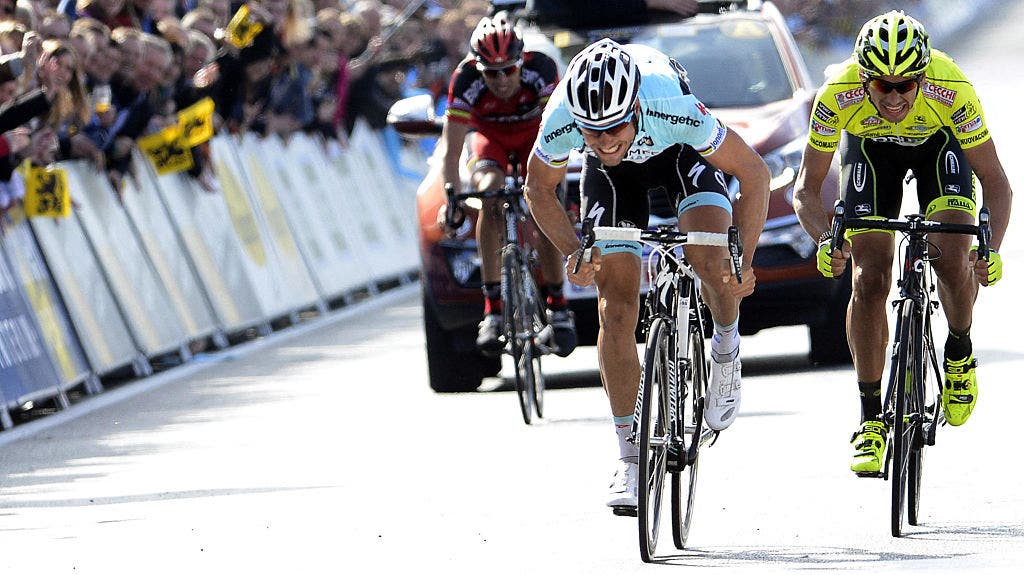 Boonen sprinting to victory at Flanders. (Photo: BENOIT DOPPAGNE / BELGA / AFP via Getty Images)
Lefevere never had the rider to chase yellow, but he built one of cycling’s best cobblestone teams.
At its peak, the crew was more than just Boonen. Stijn Devolder won Flanders in both 2008 and 2009, and Niki Terpstra was showing signs of future success.
Then came Boonen’s extraordinary 2012 season, with victories at E3 Harelbeke, Gent-Wevelgem, Flanders, and Roubaix. His long solo into the Roubaix velodrome sealed a record-tying fourth victory and the finest classics campaign of his career.
His chance to make Roubaix history with a fifth cobble was stymied by Mat Hayman in 2016, the last of his epic cobblestone dramas.
2017-2019: Gilbert keeps the monuments coming
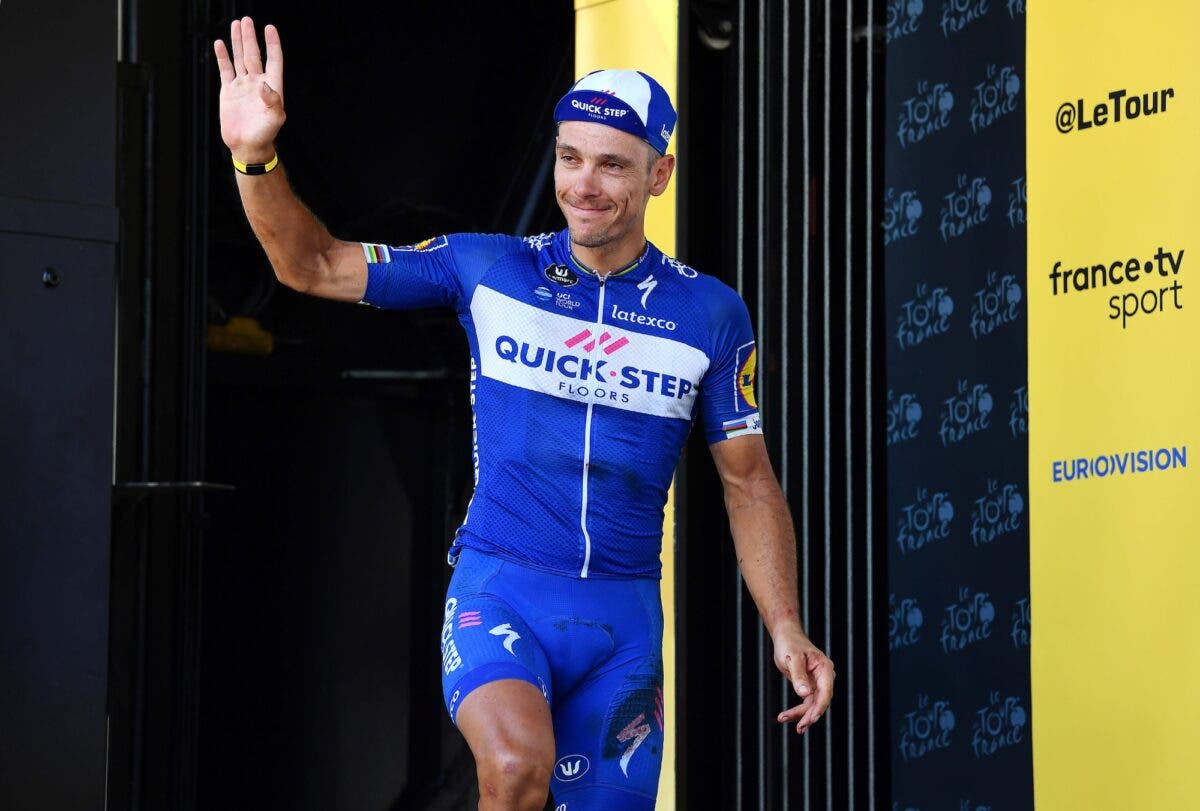 Gilbert and Quick-Step were a match made in classics heaven. (Photo: Justin Setterfield/Getty Images)
Boonen’s retirement in 2017 could have left a hole no signing could fill.
Philippe Gilbert helped people get over it. His audacious solo victory at the 2017 Tour of Flanders and hard-earned 2019 Paris-Roubaix triumph extended the team’s northern reign. Terpstra added the 2018 Flanders title between them.
Dubbed the “Wolfpack,” this was Lefevere’s dream machine, capable of winning multiple monuments with a fleet of classics crushers.
Quick-Step leaves with the team’s impressive monument legacy with 24 monuments from 2003 to 2026. They won them all during that run multiple times.
2019-2021: Alaphilippe makes France dream
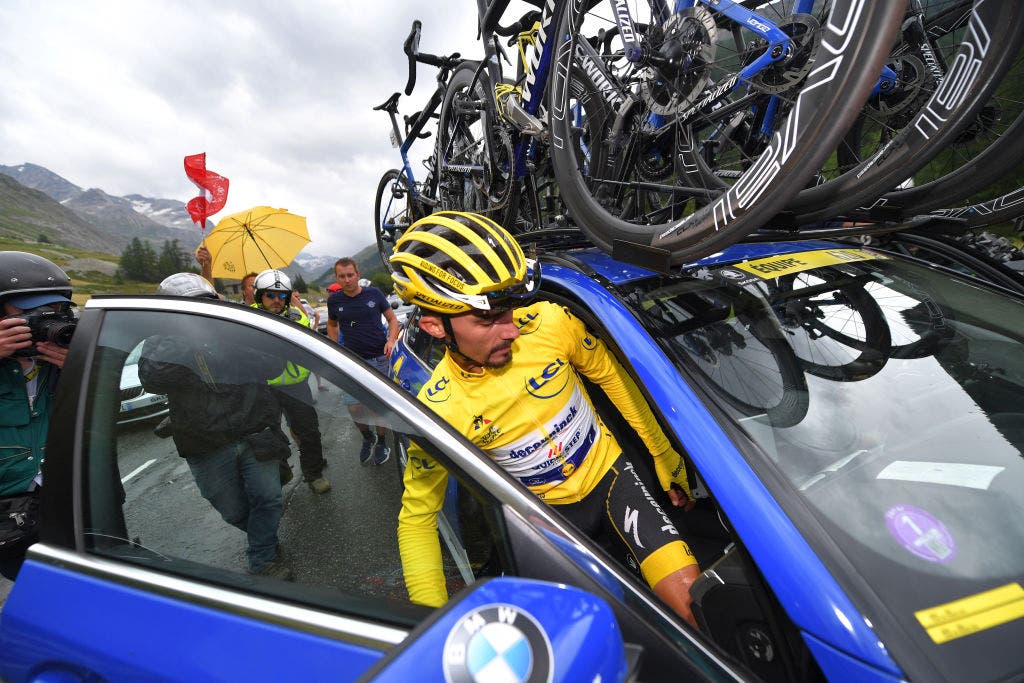 Alaphilippe held yellow into the Alps in 2019. (Photo: Tim de Waele/Getty Images)
Alaphilippe won Strade Bianche, Milan-San Remo, and La Flèche Wallonne in 2019 before turning the Tour upside down.
No one ever thought Alaphilippe could win the Tour until that magical 2019 edition. Two stage victories, 14 days in yellow, and fifth overall made him the race’s great disruptors.
Lefevere never got a Tour winner, but Alaphilippe made everyone believe, at least going deep into week 3.
Consecutive world road titles in 2020 and 2021 confirmed that Alaphilippe was more than some d’Artagnan on wheels.
2021: Cavendish’s comeback for the ages
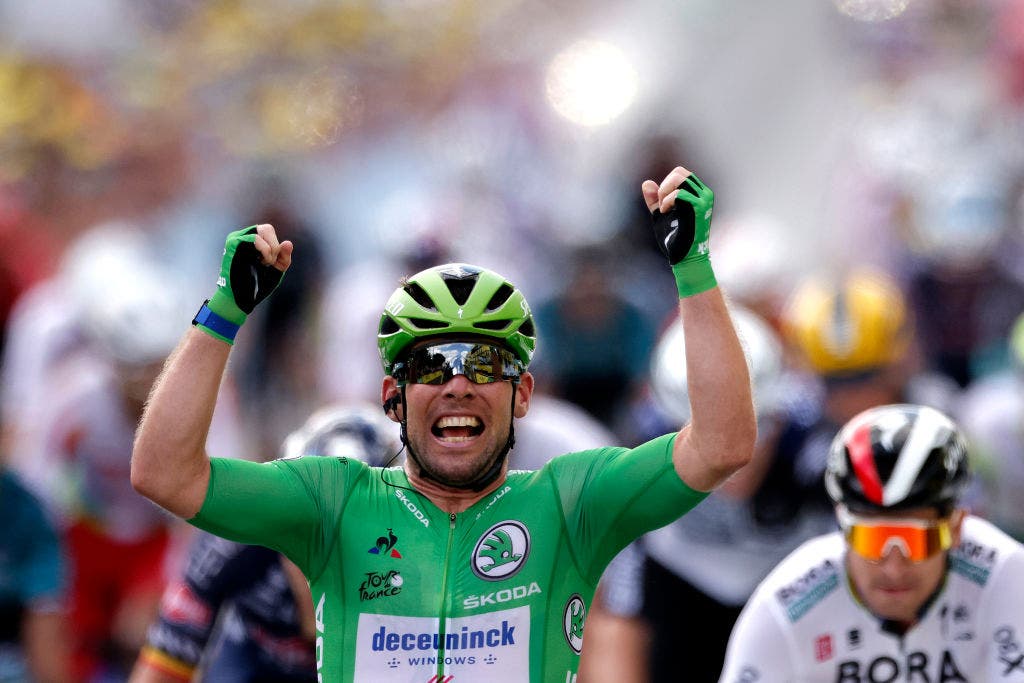 Cavendish tied the ‘Merckx’ record at Quick-Step in 2021. (Photo: Stephane Mahe – Pool/Getty Images)
Lefevere had an eye for talent and wasn’t afraid to take chances on people. Gilbert was the perfect example.
Some thought his best days were behind him, but with Lefevere, Gilbert won a pair of dream races.
The same thing happened with Mark Cavendish. The slowing Manxman was still hanging around, but Lefevere offered a lifeline when his career appeared close to over.
Cavendish repaid him in 2021 with four Tour stage victories and the green jersey, drawing level with Eddy Merckx’s then-record 34 stage wins.
The pair split after Cavendish was left off the 2022 Tour squad. He eventually won No. 35 with Astana, but Lefevere had helped make that final chapter possible.
Evenepoel breaks into grand tour territory
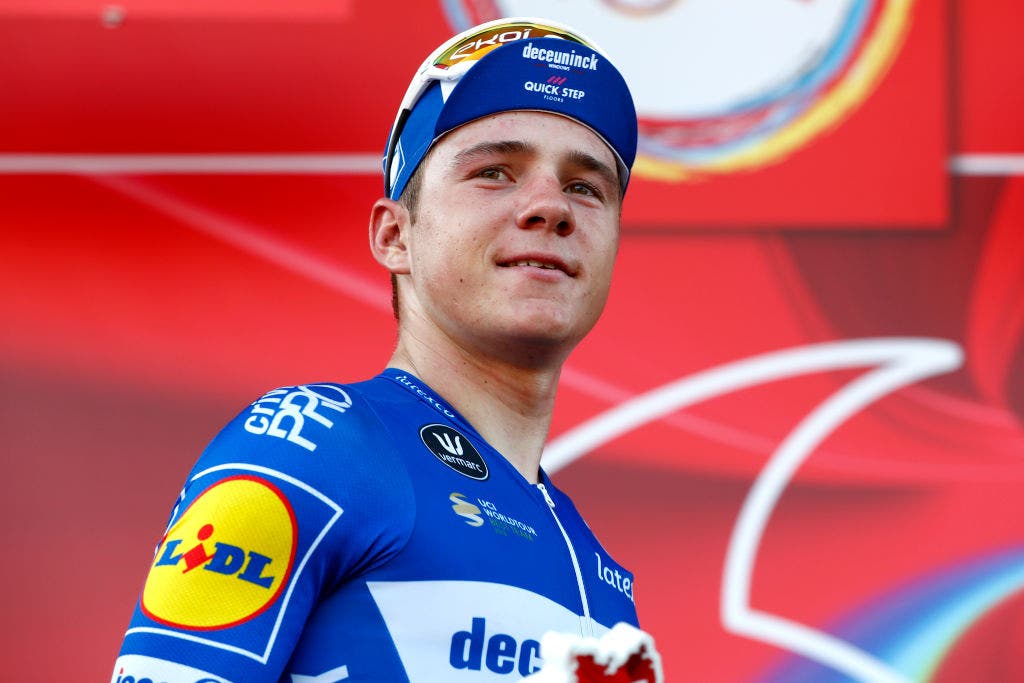 Evenepoel joined the WorldTour at 18 with Quick-Step in 2019. (Photo: Bas Czerwinski/Getty Images)
Evenepoel’s arrival in 2019 opened a new frontier for a team built around classics and sprints.
Evenepoel was Lefevere’s biggest name since Boonen, and more than 200 journalists showed up to his first team camp in Spain. A star was born.
Evenepoel has more than delivered on the hype and become double Olympic champion in 2024.
In 2022, his Vuelta victory delivered the team’s first grand tour title and Belgium’s first since Johan De Muynck’s 1978 Giro. Lefevere was on cloud nine.
Weeks later, he won the world road championship, completing a season that changed the team’s ambitions.
Quick-Step was now Remco’s team.
The challenge to stay on top
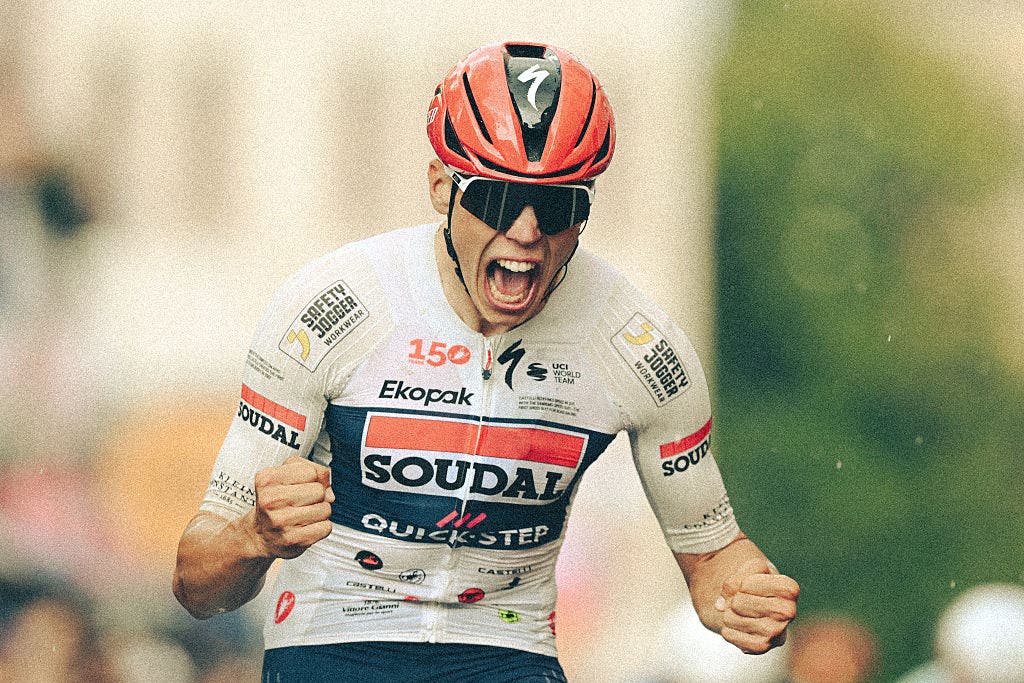 Magnier enjoyed a breakout 2026 and is Quick-Step’s last big star. (Photo: Dario Belingheri/Getty Images)
Evenepoel had one foot out the door as early as 2024 but kept his word to Lefevere that he’d finish 2025 in Quick-Step colors.
By then, he was already looking at Red Bull-Bora-Hansgrohe and the resources Lefevere could never deliver.
Tim Merlier and a rising Paul Mangier have kept the Wolfpack’s pride alive. The arrival of Jasper Stuyven and some rising talents like Junior Lecerf keep the heart pumping for the Belgian fans.
Lefevere is gone, and so is Evenepoel, but Quick-Step’s place among cycling’s great teams is secure.
Now the Wolfpack faces the risk of being eclipsed by the deep-pocketed superteams.
Can its new sponsors match Quick-Step’s staying power?